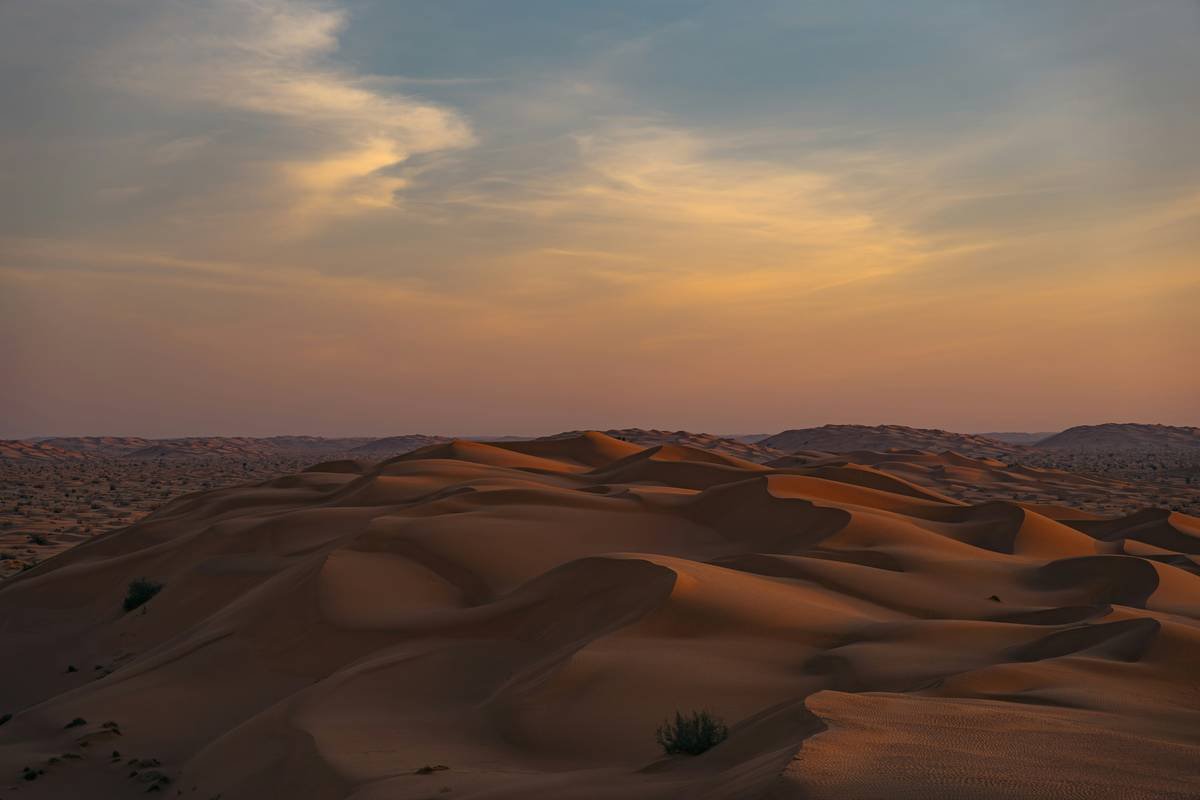
Ever booked a “Sahara desert experience” only to end up in a dusty parking lot with three camels, lukewarm mint tea, and zero stars? You’re not alone. Over 2 million tourists visit Morocco’s Sahara fringe annually—but fewer than 30% actually see what makes this place sacred, surreal, and soul-stirring.
If you’re craving more than photo ops and overpriced tagines, you’re in the right dune field. In this guide, I’ll pull back the veil on the most authentic Sahara desert tourist attractions, backed by nine years leading expeditions from Merzouga to Timbuktu. You’ll learn:
- Which oases are still untouched by Instagram tour buses
- How to spot ancient rock art without hiring a $200 “guide” who can’t read Tifinagh
- Why Erg Chebbi isn’t the only—or even the best—dune sea worth visiting
- When to go (and when to absolutely avoid) for optimal stargazing and solitude
Table of Contents
- Why Most Sahara Tours Miss the Magic
- Step-by-Step: Planning Your Authentic Sahara Itinerary
- 7 Pro Tips for Experiencing the Real Sahara
- Real Traveler Case Study: From Fez to Erg Chegaga
- Sahara Desert FAQs
Key Takeaways
- The Sahara spans 11 countries—but for accessibility + infrastructure, Morocco and Tunisia offer the best balance for first-time visitors.
- Erg Chebbi (Merzouga) is photogenic but crowded; Erg Chigaga offers deeper silence and fewer crowds.
- Pre-Islamic rock engravings in Tassili n’Ajjer (Algeria) are UNESCO-listed but require permits and local guides.
- Best months: October–April. Summer temps exceed 50°C (122°F)—not just uncomfortable, but dangerous.
- Avoid “all-inclusive” packages under €60—they often cut corners on safety, water, and cultural respect.
Why Most Sahara Tours Miss the Magic
Here’s my confessional fail: On my first solo Sahara trip in 2015, I booked the cheapest overnight camel trek from Marrakech. Spoiler—it wasn’t even in the Sahara. We camped near Ouarzazate, technically still in the pre-Sahara steppe. I paid €45 for dusty scrubland, reheated couscous, and a fake “Berber ceremony” performed by guys who’d learned their songs off YouTube.
The truth? Many operators slap “Sahara desert tourist attractions” on brochures for areas that barely qualify as desert—let alone the actual Sahara, which begins hundreds of kilometers south of Marrakech.
According to the World Bank, tourism accounts for 7% of Morocco’s GDP, driving aggressive marketing—but not always honest geography. True Sahara access requires reaching either Erg Chebbi (near Merzouga) or Erg Chigaga (deeper south), both over 500km from Marrakech.
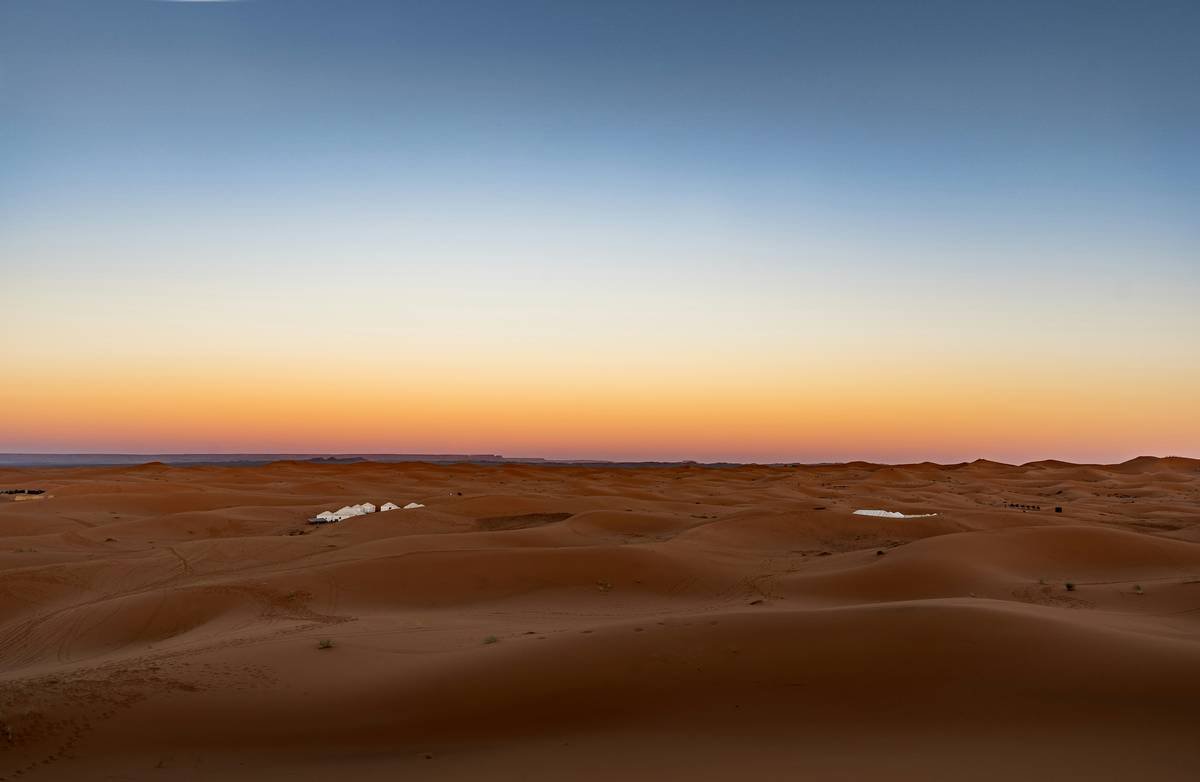
Grumpy You: “So I have to drive eight hours just to get to sand?”
Optimist You: “Yes—and it’s the most cinematic road trip of your life, passing kasbahs, palm groves, and lunar valleys.”
Step-by-Step: Planning Your Authentic Sahara Itinerary
How do I know if I’m actually going to the Sahara?
Check latitude. The Sahara begins around 30°N. Merzouga (31.1°N) and M’Hamid (29.6°N) are legit. Anything north of Zagora (30.3°N) is technically pre-Saharan. Use Google Earth to verify.
Which Sahara country should I choose?
Morocco: Best for first-timers—safe, well-developed routes, English/French-speaking guides.
Tunisia: Cheaper, less crowded, stunning Matmata troglodyte homes (hello, Luke Skywalker’s house).
Algeria: Home to Tassili n’Ajjer’s 12,000-year-old rock art—but permits take weeks and require escorted travel.
Egypt/Libya: Generally not recommended for independent travelers due to security concerns (per U.S. State Dept. travel advisories).
How many nights do I really need?
One night = rushed. Two nights = sweet spot. Three+ = transformative. You need time to acclimate, watch sunset AND sunrise over dunes, and share stories with nomadic families.
7 Pro Tips for Experiencing the Real Sahara
- Pack a red-light headlamp. White light ruins night vision; the Milky Way here is so bright it casts shadows.
- Learn 3 Berber phrases. “Azul” (hello), “Tanmirt” (thank you), “Mani tdar?” (Where are you from?) earns instant goodwill.
- Carry your own water bottle. Some budget tours ration water to cut costs—dehydration risk in desert is no joke.
- Choose small-group tours (max 6 people). Big bus groups destroy tranquility and can’t access narrow erg paths.
- Ask if your guide is from the region. Local knowledge = better stories, ethical wages, and accurate history.
- Avoid full-moon nights if you want stars. Yes, full moons over dunes are poetic—but they drown out galaxies. New moon = prime stargazing.
- Bring cash in small denominations. ATMs vanish after Zagora. Dirhams/Euros work; cards don’t.
Anti-Advice Alert: “Just show up in Marrakech and book anything.” Nope. The worst scams happen at Jemaa el-Fna square stalls offering “luxury Sahara trips” for €35. They subcontract to unlicensed drivers with bald tires. Don’t be that traveler limping back with sunstroke and regret.
Real Traveler Case Study: From Fez to Erg Chegaga
Last spring, I accompanied Sarah K., a teacher from Dublin, on a custom 5-day loop starting in Fez. Instead of the usual Marrakech-Merzouga rush, we took the southern route through the Ziz Gorge, Rissani market, and Khamlia village (home of Gnawa music).
We skipped Erg Chebbi entirely—too many quad bikes and selfie sticks—and drove 2.5 hours off-grid to Erg Chigaga, reachable only by 4×4 or camel. No hotels. Just a family-run desert camp with handwoven tents, solar lanterns, and bread baked in sand.
Her takeaway? “I finally understood silence. Not empty silence—but the kind humming with wind, stars, and centuries of nomad wisdom.” She returned with zero influencer poses… and 37 pages of journal entries.
This is the Sahara most blogs won’t tell you about—because it doesn’t fit the 48-hour package model.
Sahara Desert FAQs
Is the Sahara desert safe for tourists?
Yes—in Morocco and Tunisia, especially on established routes. The U.S. State Department rates both as Level 2 (“Exercise Increased Caution”) with no blanket warnings against desert travel. Avoid border zones near Algeria/Mali.
What should I wear for a Sahara desert safari?
Lightweight, loose linen or cotton. Long sleeves protect from sun AND cold (nights drop to 5°C/41°F in winter). Scarf = multi-tool: sun shield, sand barrier, pillow wrap.
Are children allowed on desert tours?
Yes—but opt for shorter itineraries (1 night max) and confirm if the operator provides child-sized gear. Camels can be intimidating for under-6s.
Can I visit the Sahara independently without a tour?
Technically yes—but renting a 4×4 and navigating trackless ergs requires expert GPS skills. For 99% of travelers, a reputable local guide is safer, cheaper, and far more enriching.
What’s the #1 Sahara attraction most tourists miss?
The fossil mines near Erfoud. Millions of years ago, this was ocean floor. Today, you can hold trilobites older than dinosaurs—and bargain for polished ammonite bowls in local cooperatives.
Conclusion
The Sahara isn’t just a backdrop—it’s a living archive of climate shifts, trade empires, and human resilience. By choosing thoughtful itineraries, respecting local communities, and venturing beyond Erg Chebbi, you don’t just “see” the Sahara desert tourist attractions—you feel them in your bones.
Leave the staged photo ops behind. Pack your scarf, your curiosity, and maybe a thermos of strong coffee. The dunes are waiting—and they’ve got stories only silence can tell.
Rant Section: Can we retire the phrase “Sahara Desert”? It’s redundant—“Sahara” already means “desert” in Arabic! Say “the Sahara” or “Sahara tourist attractions.” My ears itch every time I hear “Sahara Desert Desert.”
Like a Nokia ringtone from 2003, some experiences never fade: the first time you hear wind sculpting a dune at midnight. 📞🌙

