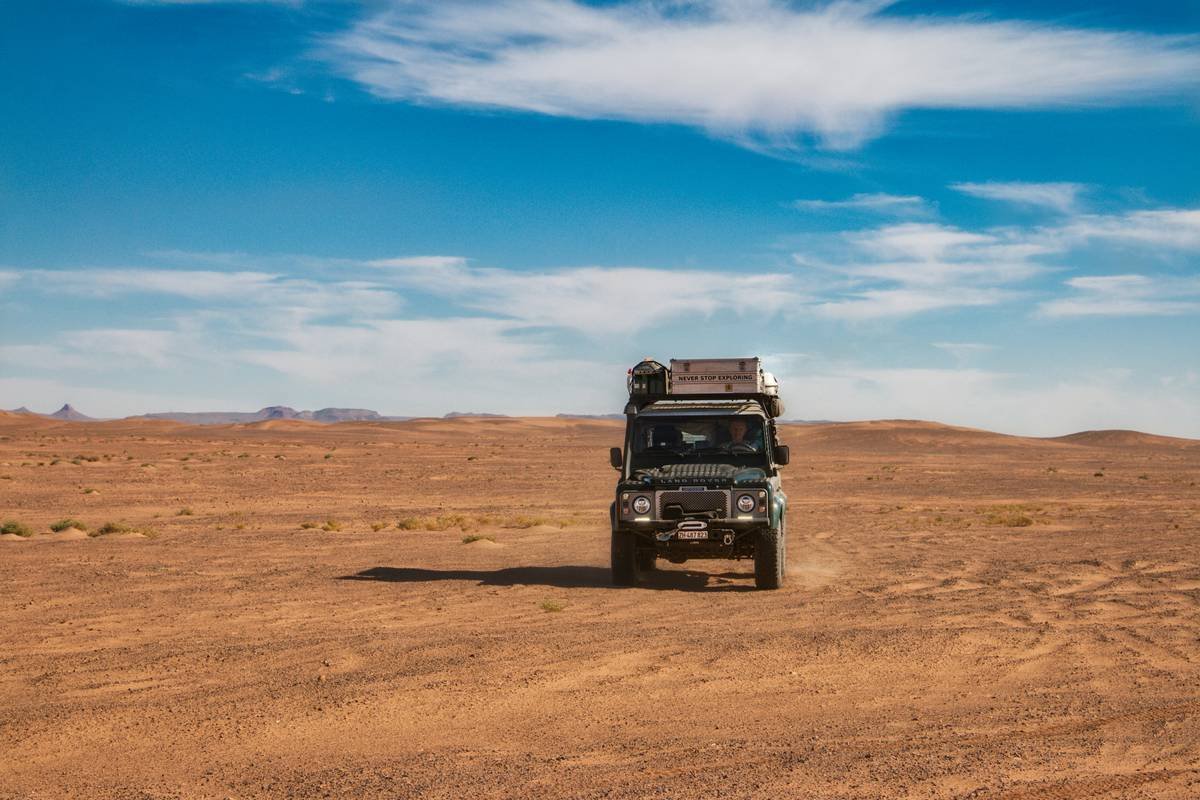
Ever booked a “luxury desert safari” only to end up in a dusty parking lot with lukewarm chai and a camel that looked as bored as you felt? Yeah, we’ve all been there. Desert safaris are booming—the Middle East tourism market hit $128 billion in 2023, with adventure tourism like desert safaris driving much of that growth—but not all experiences are created equal.
This guide cuts through the sandstorm of overhyped tours. You’ll learn exactly how to choose a responsible, thrilling, and culturally respectful desert safari adventure, avoid rookie mistakes (I once wore white linen to a dune bash—don’t), and unlock hidden gems most tourists never see. From pre-dawn drives in the Empty Quarter to Bedouin-style stargazing under zero light pollution, we’ve got you covered—not as marketers, but as travelers who’ve eaten too much sand to count.
Table of Contents
- Key Takeaways
- Why Do Desert Safaris Matter—and Why So Many Go Wrong?
- Step-by-Step: Planning Your Desert Safari Adventure Like a Pro
- Best Practices for Safety, Sustainability & Soul
- Real Traveler Stories: What Worked (and What Was a Hot Mess)
- Desert Safari Adventure FAQs
Key Takeaways
- Avoid “one-size-fits-all” group tours—they often skip key cultural or ecological sites to rush guests back by sunset.
- Morning safaris offer cooler temps and better photo ops; evening safaris deliver magic hour + dinner under stars.
- Verify your operator’s eco-certifications (e.g., Green Globe or local equivalents) to support sustainable tourism.
- Pack smart: scarf (for dust AND modesty), closed-toe shoes, and high-SPF reef-safe sunscreen.
- Respect local customs: Ask before photographing people, dress modestly off-resort, and never remove desert flora.
Why Do Desert Safaris Matter—and Why So Many Go Wrong?
Desert safaris aren’t just Instagram backdrops—they’re living cultural landscapes steeped in centuries of Bedouin heritage. Yet mass tourism has turned some dune experiences into theme-park spectacles: overcrowded camps, staged “tribal” performances, and ATVs tearing up fragile ecosystems. According to the UNWTO, poorly managed desert tourism can accelerate soil erosion and disrupt migratory wildlife like the endangered Arabian oryx.
I learned this the hard way during my first Dubai safari in 2017. Our guide sped past ancient petroglyphs to get us to a buffet faster. We missed history—and dignity—for falafel. That’s why choosing the right experience matters: it preserves culture, protects ecology, and transforms your trip from transactional to transformative.
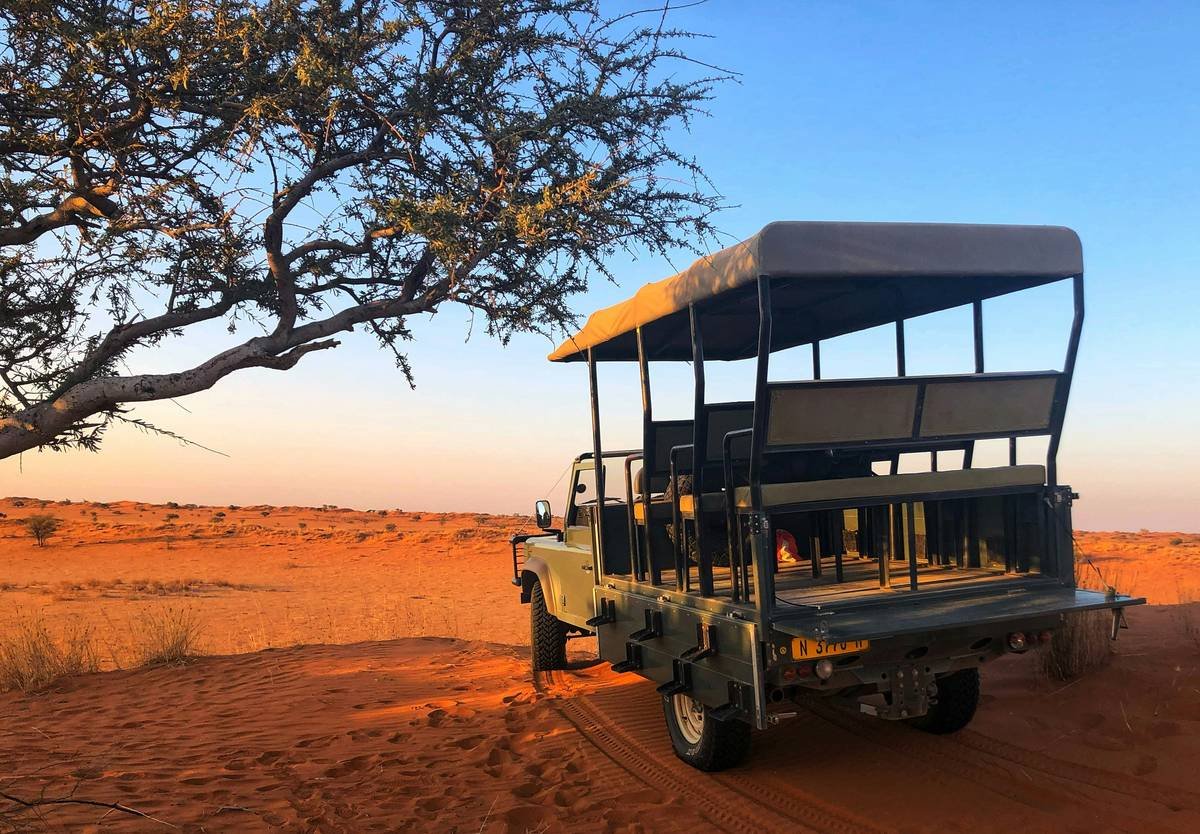
Step-by-Step: Planning Your Desert Safari Adventure Like a Pro
Where should I go for an authentic desert safari adventure?
Optimist You: “The UAE offers luxury; Oman delivers raw authenticity; Morocco blends Sahara drama with Berber culture.”
Grumpy You: “Ugh, fine—but skip Ras Al Khaimah if you hate crowds. Al Ula in Saudi Arabia? Chef’s kiss—if you book 6 months ahead.”
Top regions:
- Dubai/Abu Dhabi (UAE): Polished, family-friendly, ideal for first-timers. Best for: dune bashing, luxury glamping.
- Wahiba Sands (Oman): Rugged, remote, deeply cultural. Stay in family-run Bedouin camps. Best for: authenticity, stargazing.
- Merzouga (Morocco): Golden Erg Chebbi dunes, camel treks, Berber music. Best for: photography, multi-day treks.
When is the best time to go?
Desert temps swing wildly. In Dubai, summer highs hit 49°C (120°F)—not ideal for bouncing over dunes in a 4×4. Aim for October–April across most Gulf destinations. Morocco’s Sahara is pleasant November–February. Pro tip: Book sunrise safaris in winter—you’ll have the dunes almost to yourself, and golden light bounces off red sands like liquid amber.
How do I pick the right tour operator?
Red flags: no physical address, vague itineraries (“visit desert”), photos of overcrowded trucks. Green flags:
- Certified guides (ask for their license number—UAE requires it)
- Small groups (max 6 per vehicle)
- Clear sustainability policy (e.g., no single-use plastics, partnerships with local communities)
I now only book with operators like Platinum Heritage (UAE) or Desert Eco Tours (Oman)—both certified by Green Globe.
Best Practices for Safety, Sustainability & Soul
- Hydrate like your life depends on it—deserts dehydrate you silently. Carry 2L water minimum.
- Dress in layers—nights drop to 10°C (50°F) even in summer. Bring a light jacket.
- Skip the selfie stick near wildlife—disturbing animals = bad karma (and sometimes fines).
- Tilt your seat back during dune bashing—reduces nausea. Seriously.
- Tip your guide directly—not the company. 10–15% is standard and deeply appreciated.
Terrible Tip Disclaimer: “Just show up and hope for the best!” Nope. Unbooked drop-ins risk scams, unsafe vehicles, or missing out entirely. Always pre-book with verified operators.
Rant Section: My Desert Pet Peeve
Why do so many tours force-feed “traditional” entertainment that feels like a Vegas act? Real Bedouin hospitality is quiet, poetic, and centered on storytelling—not belly dancers in sequins. If your camp has loud speakers blasting pop music at midnight, you’re doing it wrong. True desert magic lives in silence… and maybe the crunch of sand beneath your feet.
Real Traveler Stories: What Worked (and What Was a Hot Mess)
Case Study 1: The Overlander Win
Sarah K., Colorado, booked a 3-day private safari in Oman’s Sharqiya Sands with Desert Nights Camp. She skipped the usual day-trip frenzy and instead joined a local family for bread-making, tracked gazelles at dawn, and slept under stars with zero light pollution. Result? “Felt like I time-traveled,” she said. Plus, her operator donated 5% of her fee to a local school.
Case Study 2: The Group Tour Fail
Mark T. joined a budget “premium” safari in Dubai. His Land Cruiser held 12 people. They spent 20 minutes dune bashing, then rushed to a buffet where staff reused plates without washing. No cultural interaction. Total cost: $89. Total value: negative. Lesson? Cheap ≠ smart.
Desert Safari Adventure FAQs
Is desert safari safe for kids?
Yes—with caveats. Morning safaris (gentler driving) suit children under 5. Avoid dune bashing for toddlers. Reputable operators provide child seats and kid-friendly meals.
What should I wear on a desert safari?
Lightweight, loose clothing (long sleeves/pants protect from sun and windburn). Scarf/buff for dust. Closed shoes—sand gets scorching by noon. Avoid shorts or tank tops out of respect for local norms.
Can I do a solo desert safari?
Strongly discouraged. Deserts are disorienting—even GPS fails in dunes. Always go with a licensed guide. Solo travelers can join small-group tours (often 4–6 people) for safety and camaraderie.
How long does a typical desert safari last?
Half-day: 4–6 hours (usually afternoon to post-dinner). Full-day: 8–10 hours (sunrise to stars). Multi-day options exist in Oman and Morocco.
Conclusion
A true desert safari adventure isn’t about checking a box—it’s about connection: to land, legacy, and the quiet awe of standing alone in endless dunes. By choosing ethical operators, respecting local cultures, and timing your trip right, you trade tourist traps for transformation. Pack your scarf, hydrate like a pro, and remember: the best souvenirs aren’t trinkets—they’re stories whispered by the wind.
Like a Tamagotchi, your desert memories need care—feed them with respect, not recklessness.
Sand shifts under tires,
Stars blink awake in silence—
Dunes keep all secrets.

