Ever stood in the middle of nowhere, sand stinging your cheeks like nature’s exfoliant, wondering if that distant shimmer is water or just another cruel mirage? Yeah. We’ve all been there—or at least dreamed about it while doom-scrolling through Dubai travel reels at 2 a.m.
If you’re Googling “what is desert trekking”, you’re not just looking for a dictionary definition. You want to know whether it’s safe, epic, soul-stirring… or just an Instagram stunt with heatstroke as a side dish. Good news: this post cuts through the dunes of misinformation.
In this guide, you’ll discover:
- The real difference between desert safaris and desert trekking (spoiler: one involves camels, the other might involve crying)
- What gear actually matters (no, your Birkenstocks won’t cut it)
- Three iconic routes—from beginner-friendly to “only-if-you’ve-survived-a-Tarantino-movie”
- How to avoid becoming a cautionary tale in a travel vlogger’s thumbnail
Table of Contents
- What Is Desert Trekking, Really?
- Desert Trekking vs. Desert Safari: What’s the Difference?
- How to Prepare for Your First Desert Trek
- Top Desert Trekking Destinations That Won’t Kill You (Probably)
- FAQs About Desert Trekking
Key Takeaways
- Desert trekking = self-propelled, multi-hour to multi-day walks across arid landscapes—no vehicles, no shortcuts.
- It’s physically demanding and climate-sensitive; temps can swing from 45°C (113°F) by day to 5°C (41°F) at night.
- Essential gear includes hydration systems, UV protection, navigation tools, and moisture-wicking layers.
- Safaris use 4x4s or camels; trekking relies on your two feet—and grit.
- Popular destinations include the UAE’s Liwa Desert, Morocco’s Sahara near Merzouga, and Jordan’s Wadi Rum.
What Is Desert Trekking, Really?
Let’s kill the myth upfront: desert trekking isn’t just “walking on sand.” It’s navigating extreme, often disorienting terrain where GPS fails, landmarks vanish, and dehydration hits faster than you can say “spontaneous adventure.”
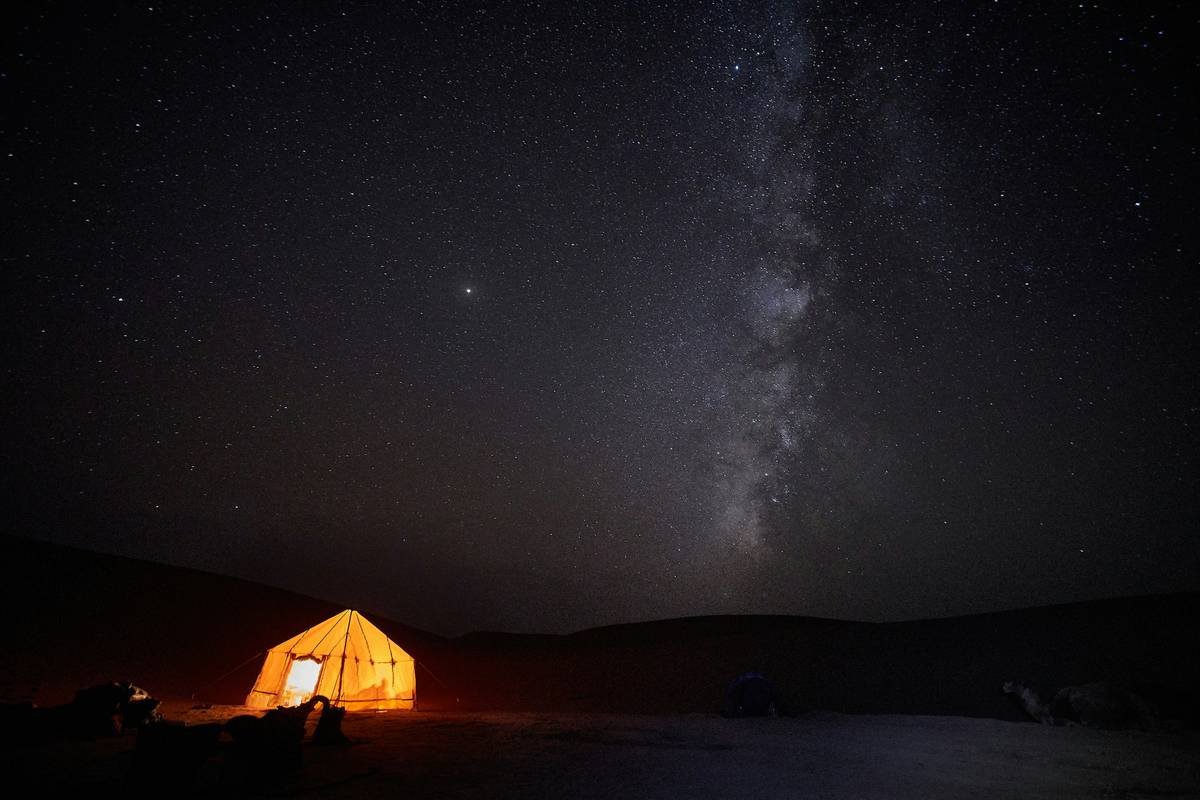
As someone who once trekked 18km through Oman’s Wahiba Sands with only half a liter of water left (don’t ask), I can confirm: desert trekking tests your stamina, judgment, and emotional resilience. But it also gifts you silence so profound it echoes, starfields so dense they feel within reach, and sunsets that look Photoshopped—even though your camera died three hours ago.
According to the World Tourism Organization (UNWTO), adventure tourism—including desert trekking—grew by 65% between 2015 and 2023, driven by travelers seeking authentic, low-impact experiences away from crowded resorts.

Desert Trekking vs. Desert Safari: What’s the Difference?
“Wait—I thought my dune-bashing tour *was* desert trekking!” Nope. And confusing the two could leave you stranded… or seriously disappointed.
What defines a desert safari?
A desert safari typically uses motorized transport (4x4s, ATVs) or animals (camels) to explore desert landscapes. It’s shorter (2–6 hours), often includes dinner shows, sandboarding, and photo ops. Think: curated experience, guided comfort.
What defines desert trekking?
Trekking means **you move under your own power**—walking, sometimes scrambling over dunes or rocky wadis—for several hours or multiple days. Navigation, water rationing, and survival awareness are non-negotiable. It’s raw, immersive, and rewards preparation.
Optimist You: “Trekking connects you to ancient nomadic rhythms!”
Grumpy You: “Yeah, and also blisters the size of raisins and sand in places sand should never be.”
How to Prepare for Your First Desert Trek
Don’t wing it. Seriously. I once saw a tourist attempt a solo trek near Dubai wearing flip-flops and carrying a Starbucks cup. He lasted 40 minutes. Here’s how to do it right:
Step 1: Choose the right season
Avoid June–August in most deserts. In the Arabian Peninsula, daytime highs exceed 50°C (122°F). Ideal trekking windows:
- UAE/Oman: November–March
- Morocco: October–April
- Jordan: March–May, September–October
Step 2: Pack like a Bedouin (but with better tech)
- Hydration: Minimum 4 liters/day + electrolyte tablets
- Clothing: Light, loose, long-sleeve UPF 50+ fabric (yes, even when hot—it blocks radiant heat)
- Footwear: Sturdy ankle-support hiking boots with gaiters to keep out sand
- Navigation: Physical map + compass (GPS often unreliable)
- Emergency: Whistle, signal mirror, first-aid kit, power bank
Step 3: Hire a local guide (non-negotiable for beginners)
Bedouin communities have navigated these dunes for centuries. In Wadi Rum, UNESCO requires licensed local guides for multi-day treks. They know water sources, weather shifts, and which dunes collapse underfoot.
Terrible Tip Disclaimer: “Just follow animal tracks back to civilization!” — NO. Animal paths lead to watering holes… which may be dry… or guarded by very territorial creatures.
Top Desert Trekking Destinations That Won’t Kill You (Probably)
1. Liwa Desert, UAE – The Gentle Giant
Best for: First-timers
Distance: 10–25km routes
Why it works: Flat, rolling dunes with minimal elevation. Many outfitters (like Platinum Heritage) offer guided sunrise treks ending with Arabic coffee in a Bedouin-style camp. Pro tip: Go during Al Dhafra Festival for cultural immersion.
2. Erg Chebbi, Morocco – Drama & Dunes
Best for: Scenery lovers
Distance: 15–40km (multi-day)
Local operator: Auberge Yasmina or Nomad Expeditions
Insight: Sand here is fine as powdered sugar—great for photos, hell on electronics. Seal your phone in a ziplock!
3. Wadi Rum, Jordan – Mars on Earth
Best for: Epic landscapes
Distance: 20–60km
UNESCO World Heritage site with pink sandstone canyons.
Experience: Sleep in a Martian-style bubble tent after trekking past Lawrence of Arabia’s old campsites.
Rant Section: My Desert Pet Peeve
People treating deserts like disposable playgrounds. Leaving plastic bottles? Carving initials into 500-year-old acacia trees? Using drone propellers to scatter sacred sand formations? Not cool. Desert ecosystems are fragile. One footprint takes *years* to vanish. Pack it in, pack it out—always.
FAQs About Desert Trekking
Is desert trekking dangerous?
It can be—but risks drop dramatically with preparation. Main hazards: dehydration, hyperthermia, getting lost, and sudden sandstorms. Always trek with a partner or guide.
How fit do I need to be?
Moderate fitness is enough for short treks (under 10km). For multi-day hikes, train with weighted packs on sandy or hilly terrain. Walking on soft sand burns 2x more calories than pavement.
Can I do it alone?
Experienced trekkers with emergency comms (satellite messenger like Garmin inReach) can—but it’s strongly discouraged. In 2022, UAE rescue teams responded to 37 solo desert incidents; 12 required hospitalization.
What wildlife might I see?
Arabian oryx, sand foxes, desert hedgehogs, and (rarely) caracals. Most active at dawn/dusk. Snakes like the horned viper hide under rocks—watch your step!
Do I need special permits?
In Wadi Rum (Jordan) and protected areas like UAE’s Sir Bani Yas Island—yes. Always check with local tourism boards or certified operators beforehand.
Conclusion
So—what is desert trekking? It’s not just a hike. It’s a dialogue with emptiness, a test of humility, and one of the last true adventures left on Earth. Done right, it reshapes how you see solitude, resilience, and beauty.
If you take one thing from this: never underestimate the desert. Respect it, prepare for it, and let it surprise you—not scare you. And maybe skip the flip-flops.
Like a Tamagotchi, your desert dream needs daily care—hydration, planning, and a little bit of awe. Now go chase those dunes.
Haiku:
Sand whispers at dawn,
Footprints fade in golden heat—
Stars remember your name.

