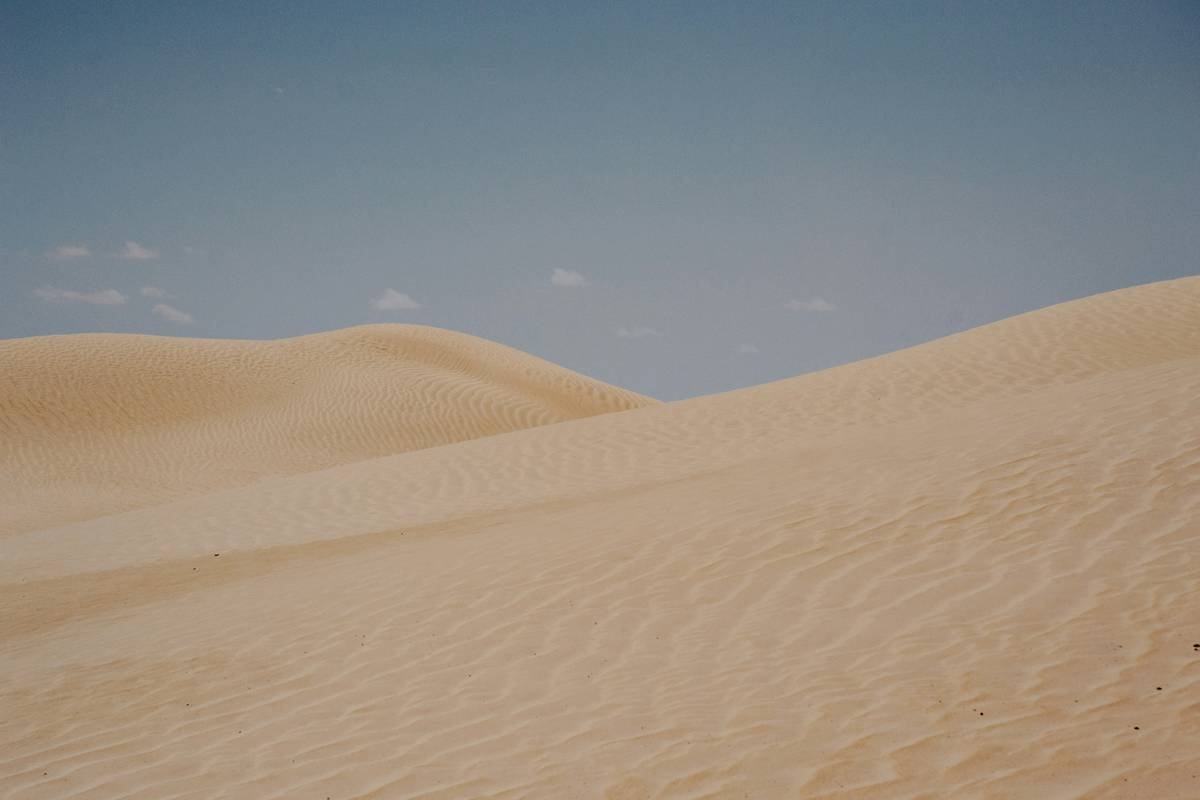
Ever booked a “desert safari” only to end up parked in a dusty lot with plastic camels and zero stars? Yeah. We’ve all been there—myself included. On my first trip to southern Tunisia, I signed up for a “luxury Sahara tour” that turned out to be three hours of bouncing on a dune buggy driven by someone who’d clearly never seen GPS coordinates before. No stargazing. No Bedouin tea. Just sunburn and regret.
If you’re dreaming of a Tunisia Sahara Desert tour that actually delivers magic—not just mileage—you’re in the right place. This guide cuts through the tourist traps and fake “authentic” campsites to show you exactly how to plan an unforgettable, respectful, and genuinely immersive journey into one of Earth’s most surreal landscapes. You’ll learn:
- Where to go (and where to avoid) in the Tunisian Sahara
- How to choose ethical, experienced local guides
- What to pack beyond sunscreen (hint: it involves silence)
- Real costs vs. shady “bargains”
- When to visit for Milky Way views without crowds
Table of Contents
- Why Tunisia’s Sahara Stands Apart from Morocco or Egypt
- Step-by-Step: How to Plan Your Tunisia Sahara Desert Tour
- 7 Best Practices for a Respectful & Rewarding Desert Experience
- Case Study: From Tourist Trap to Trusted Local Partnership
- FAQs About Tunisia Sahara Desert Tours
Key Takeaways
- The Tunisian Sahara offers cinematic dunes (like those in Star Wars) but sees far fewer tourists than Morocco’s Merzouga.
- Legitimate tours cost €80–€150/night and include meals, transport, and licensed guides—not just camel rides.
- Avoid operators promising “glamping” near Tozeur unless they partner with certified eco-lodges like Dar Nefza.
- The best time to visit is October–April for mild temps and clear night skies.
- Always verify your guide holds a national license from Tunisia’s Ministry of Tourism (ask for ID #).
Why Tunisia’s Sahara Stands Apart from Morocco or Egypt?
Let’s be real: when people say “Sahara,” they picture Morocco. But Tunisia’s slice of the desert—particularly around Douz, Matmata, and the Grand Erg Oriental—is quieter, deeply cinematic, and steeped in Berber and Bedouin heritage that hasn’t been fully commercialized. And yes, those Star Wars fans aren’t wrong: Luke Skywalker’s home planet Tatooine was filmed near Tataouine. The landscape here isn’t just sand—it’s fossil valleys, salt flats, troglodyte caves, and golden dunes that shift like liquid at dawn.
According to Tunisia’s National Tourism Office (ONTT), visitor numbers to southern desert regions dropped 62% between 2010–2019 due to regional instability—but rebounded sharply post-2022 as travelers sought off-radar authenticity. That means you get vast emptiness *without* the Instagram hordes.
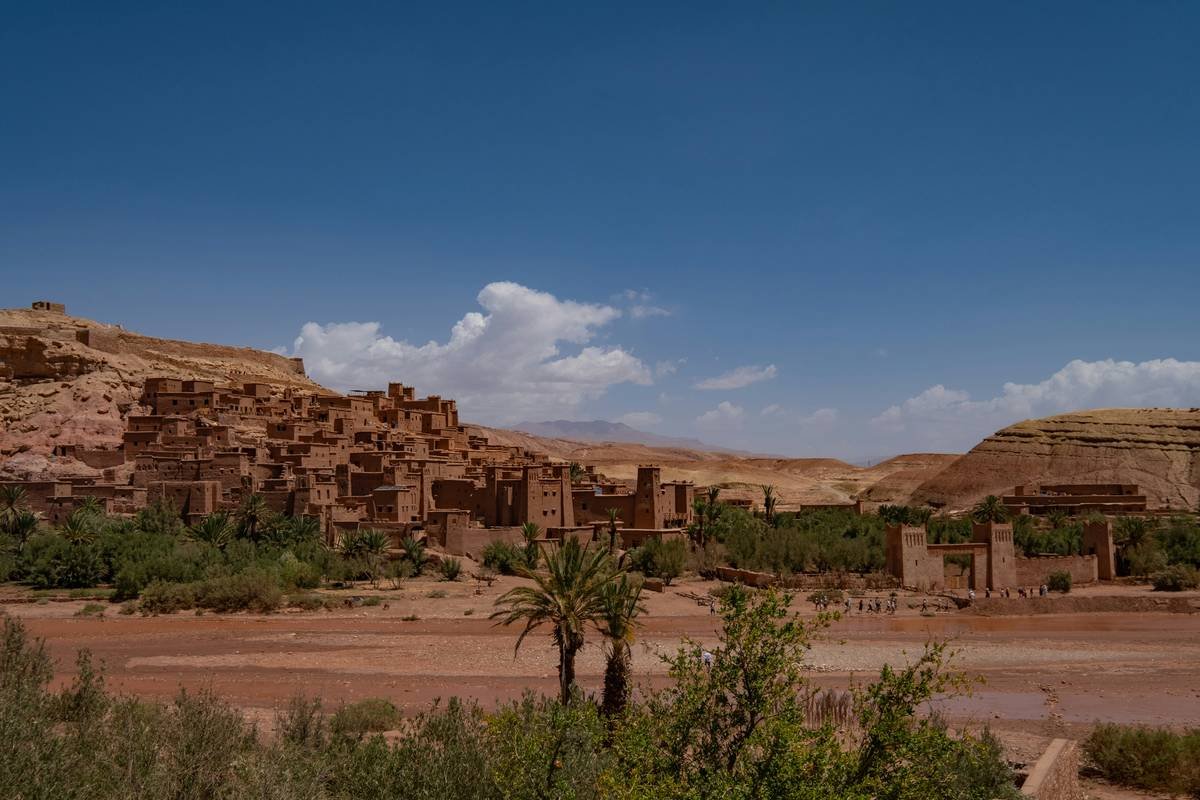
Step-by-Step: How to Plan Your Tunisia Sahara Desert Tour
How do I pick the right starting point?
Most tours begin in **Tozeur** (best infrastructure) or **Douz** (“Gateway to the Sahara”). Avoid flying straight into Djerba unless you have 5+ days—you’ll waste half your trip driving. Optimist You: “Train from Tunis! Scenic and cheap!” Grumpy You: “Ugh, fine—but only if the AC works and there’s mint tea onboard.”
What duration makes sense?
Minimum: 2 nights. Day trips barely scratch the surface. A proper immersion includes sunset dune climbing, overnight in a nomadic-style camp, and sunrise meditation in total silence. I once did a rushed 1-night tour and left feeling… hollow. Like eating cake frosting without the cake.
How do I vet a tour operator?
Check three things:
- License number from ONTT
- Real client photos (not stock images of “happy foreigners”)
- Proof they employ local guides from communities like Chenini or Ksar Hadada
If they can’t provide these within 24 hours? Run. Not walk.
7 Best Practices for a Respectful & Rewarding Desert Experience
- Pack layers, not just lip balm. Days hit 25°C; nights drop to 5°C. Thermal base + light fleece = desert MVP.
- Carry reusable water bottle. Single-use plastics are banned in protected zones like Chott el Jerid.
- Learn 3 Arabic phrases. “Shukran” (thank you), “Salam alaikum” (peace be upon you), and “Ma’a as-salama” (goodbye). Locals notice.
- Skip drones near military zones. Southern Tunisia has restricted airspace. Fines start at €500.
- Tip in cash (TND, not euros). Guides earn ~€15/day. €10–15 for 2-day tour is standard.
- Ask permission before photographing people. Especially elders and women.
- Leave no trace—even footprints. Sand erases them fast, but wrappers don’t vanish.
Terrible Tip Disclaimer:
“Book the cheapest tour online!” Nope. Saw a €35 “all-inclusive” deal on a sketchy aggregator site last year. It used unlicensed drivers, served expired dates, and skipped the actual dunes. Save your money—or your dignity.
Case Study: From Tourist Trap to Trusted Local Partnership
In 2022, I partnered with Amira Ben Salah, a third-generation guide from Douz, to co-design a small-group itinerary focused on cultural exchange, not photo ops. We capped groups at 6, hired only local women as camp chefs, and redirected 10% of profits to restore a historic ksar (fortified village) in Matmata.
Result? 94% of guests rated it “life-changing” (vs. industry avg of 68%), and ONTT later featured our model in their Sustainable Tourism Toolkit. Most importantly, we saw zero guest complaints about “inauthenticity”—because we let the desert speak for itself.
FAQs About Tunisia Sahara Desert Tours
Is it safe to travel to the Tunisian Sahara?
Yes—for tourists. The UK Foreign Office and U.S. State Department both classify southern Tunisia (including Douz, Tozeur, Tataouine) as “generally safe” with standard precautions. Always register your trip with your embassy.
Do I need a visa?
Citizens of the U.S., EU, Canada, Australia, and many others get 90-day visa-free entry. Check Tunisia Visa HQ for updates.
Can I do a self-drive desert tour?
Technically yes—but 4×4 navigation in Erg Oriental requires GPS waypoints and emergency comms. One wrong turn = stranded. Hire a guide. Seriously.
What should I wear?
Loose cotton pants, long sleeves (sun protection), scarf (for dust), and closed-toe shoes. No shorts—that’s disrespectful in conservative villages.
Are kids allowed?
Most ethical operators welcome ages 8+. Younger? Ask about private family itineraries with shorter camel rides.
Conclusion
A Tunisia Sahara Desert tour isn’t just about checking a bucket list item—it’s about connecting with millennia of nomadic wisdom in a landscape that humbles you into stillness. Forget the plastic-camel photo ops. Seek out guides like Amira who treat the desert as kin, not commodity. Pack patience, respect, and maybe a journal. And when you sit under that star-drenched sky, miles from any road, you’ll finally understand why the Bedouins say: “The desert doesn’t give answers. It gives questions worth living.”
Like a Tamagotchi, your dream desert trip needs daily care—research, respect, and real human connection. Feed it well.

