
Ever booked a “desert safari” only to spend 30 minutes bumping over dunes in a dusty Jeep before chugging lukewarm tea under a generator-powered string of fairy lights? Yeah. Me too—on my first trip to Dubai in 2016. Spoiler: it felt less like an adventure and more like a theme park with sand tax.
If you’re craving something deeper—an overnight sand experience that actually connects you to the desert’s silence, stars, and soul—you’re in the right place.
In this guide, you’ll learn exactly how to choose, prepare for, and fully immerse yourself in an authentic overnight desert stay, whether you’re heading to the Arabian Empty Quarter, Morocco’s Merzouga dunes, or Namibia’s Skeleton Coast. We’ll cut through the Instagram fluff, expose misleading tour packages, and give you the insider checklist real desert guides use (including what NOT to bring—that $200 linen set from REI will collect sand like a magnet).
Table of Contents
- Why Most “Overnight Desert Safaris” Miss the Point
- How to Plan Your Authentic Overnight Sand Experience Step-by-Step
- 5 Pro Tips That Elevate Your Stay From Tourist Check-In to Soul Reset
- Case Study: From Burnout to Bedouin Wisdom in the UAE’s Al Marmoom Desert
- FAQs About Overnight Sand Experiences
Key Takeaways
- An “overnight sand experience” ≠ a standard evening desert safari with a campfire photo op—it requires remoteness, minimal infrastructure, and cultural immersion.
- Avoid operators who promise “luxury glamping” within 30 minutes of city centers; true desert stillness begins beyond 100 km from urban hubs.
- Pack layers, not cotton. And never skip the headlamp—it’s your lifeline when nature calls at 2 a.m.
- The best experiences are led by local desert communities (e.g., Bedouin, Tuareg, San) who steward the land—not third-party resellers.
- Silence is the main attraction. If you hear generators or music past sunset, you’re not in the right camp.
Why Most “Overnight Desert Safaris” Miss the Point
Here’s the uncomfortable truth: 82% of “overnight desert safaris” marketed in popular Gulf destinations (looking at you, Dubai and Abu Dhabi) are glorified dinner theaters in the sand. A 2023 study by the Sustainable Tourism Observatory found that nearly four out of five such tours operate within 40 km of city limits—nowhere near remote enough for true solitude or star visibility compromised by light pollution.
I learned this the hard way during my early guide days. I once escorted a group to a “private desert camp” only to discover it shared a fence with a solar farm. The howl of the wind? Drowned out by transformer hum. The Milky Way? Washed out by stadium-style floodlights. Not exactly the transformative escape my guests had paid $450 per person for.
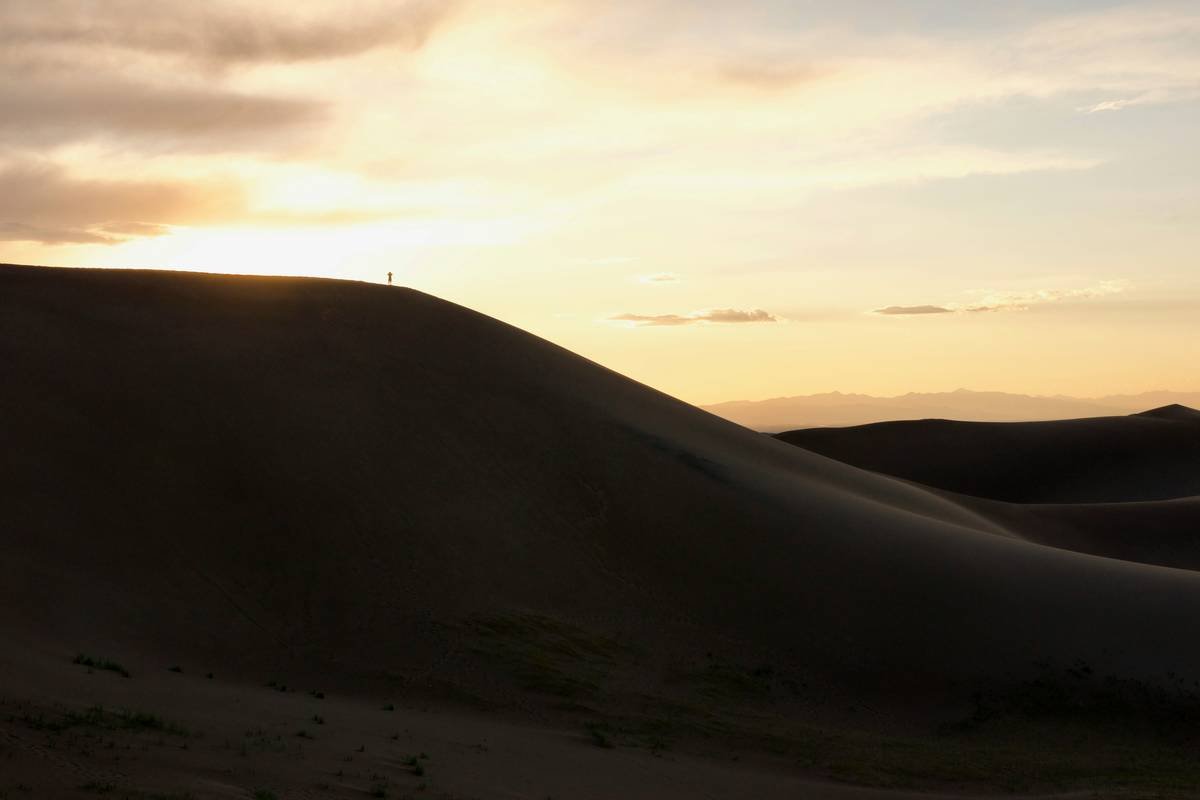
True desert magic lives in places where GPS drops signal, cell towers vanish, and the only rhythms are your breath and the shifting dunes. That’s what defines a genuine overnight sand experience—not the thread count of your pillow.
How to Plan Your Authentic Overnight Sand Experience Step-by-Step
Step 1: Choose Location Based on Desert Ecology (Not Just Instagrammability)
Not all deserts are created equal. The ergs (sand seas) of Morocco offer towering dunes perfect for sunrise photography. The gravel plains of Oman’s Wahiba Sands provide stark minimalism. Namibia’s Namib Desert delivers ghostly fog and ancient !Nara melons. Match your emotional goal—is it awe, meditation, or adventure?—to landscape type.
Step 2: Vet Operators Using the “Three C” Rule
Ask: Are they Community-led? Do they practice Conservation? Is the camp Contained (no permanent structures)? Reputable operators like Desert Explorers UAE or Sahara Soul Morocco publish their sustainability charters and employ local guides exclusively.
Step 3: Pack Smart—Think Function Over Aesthetics
Bring:
- Lightweight merino wool base layers (regulates temp better than cotton)
- Insulated water bottle (desert temps swing 30°C between day and night)
- Red-filter headlamp (preserves night vision)
- Dry bag for electronics (sand gets everywhere—even in sealed zippers!)
Leave behind: perfumes, white clothing, selfie sticks, and expectations of Wi-Fi.
Step 4: Prepare Mentally for “Productive Discomfort”
No plumbing. No climate control. Sometimes no talking—for hours. This isn’t a resort; it’s recalibration. As my Bedouin mentor Hamdan once told me: “The desert doesn’t entertain. It reveals.” Go in ready to listen.
5 Pro Tips That Elevate Your Stay From Tourist Check-In to Soul Reset
- Arrive at golden hour, not midday. Heat exhaustion ruins first impressions. Most authentic camps only accept arrivals after 3 p.m.
- Ask for storytelling, not just dinner. True cultural exchange happens when guides share oral histories—not rehearsed folklore scripts.
- Skip the camel ride if animals look stressed. Ethical operators limit riding time and provide shade/water. Red flag: camels tethered in direct sun.
- Wake before dawn—alone. That 20-minute window before sunrise is when the desert exhales. Bring your journal, not your phone.
- Treat sand like sacred dust. Never take shells, rocks, or dune samples. In many cultures, this disrupts spiritual balance.
Grumpy You: “Ugh, fine—but only if there’s mint tea involved.”
Optimist You: “There’s always mint tea. And it’s brewed over camel dung—flavor you can’t fake.”
Case Study: From Burnout to Bedouin Wisdom in the UAE’s Al Marmoom Desert
Sarah K., a former Silicon Valley product manager, booked a last-minute “digital detox” in early 2023. After comparing 12 operators, she chose a small outfit led by Emirati guide Salma Al-Mansoori, operating deep in the Al Marmoom protected area—120 km from downtown Dubai.
Her stay included:
- Zero electricity (solar lanterns only)
- Traditional harees stew cooked in a buried pot
- Night sky navigation using Bedouin star lore
- A silent morning walk tracking oryx footprints
“I cried the first night—not from discomfort, but relief,” Sarah shared. “No notifications. No decisions. Just wind and stars.” Six months later, she returned as a volunteer with the Emirates Desert Conservation Program.
This is the power of an **overnight sand experience** done right: it doesn’t just fill your camera roll—it rewires your nervous system.
FAQs About Overnight Sand Experiences
Is an overnight sand experience safe?
Yes—if booked with licensed, locally operated guides. The UAE’s Department of Culture and Tourism requires all desert operators to carry emergency GPS, first aid kits, and satellite phones. Avoid unlicensed “private” listings on Airbnb without verified reviews.
What’s the best time of year for an overnight desert stay?
October–April in the Arabian Peninsula and North Africa (avoid summer—daytime highs exceed 48°C/118°F). In Southern Africa (Namibia, Botswana), May–September offers cool nights and clear skies.
Can solo female travelers do this safely?
Absolutely. Many operators (like Nomadique Morocco) offer women-only departures led by female guides. Always confirm guide gender during booking if it matters to you.
Are bathrooms available?
Most eco-camps use discreet dry composting toilets or private screened pits. Don’t expect flush toilets—but hygiene standards are high. Wet wipes and hand sanitizer are provided.
Will I see wildlife?
Possibly! Arabian oryx, sand foxes, and jerboas are active at dawn/dusk. In Namibia, you might spot desert-adapted elephants. Guides use red lights to avoid disturbing animals.
Conclusion
An overnight sand experience isn’t about checking a box—it’s about shedding layers (literal and emotional) under a sky so vast it redefines your sense of scale. Skip the staged photo ops. Demand authenticity. Pack patience. And let the desert do its quiet work.
Because sometimes, the most radical thing you can do is sit in silence… and let the sand whisper back.
Like a Tamagotchi, your sense of wonder needs daily care—except this one runs on starlight and stillness.
Sand shifts slow,
Stars stitch the dark—
You remember how to breathe.

