Ever stood halfway through a 5-mile hike in the Mojave with sweat pooling in your socks and your hat long gone—blown into oblivion by 30mph gusts? Yeah. I’ve been there. And let me tell you: wearing cotton shorts and flip-flops isn’t “vibing with nature.” It’s an ER ticket.
If you’re planning a desert safari or solo trek through arid landscapes like Wadi Rum, Joshua Tree, or the Sonoran, what you wear can mean the difference between epic photos and a sunstroke-induced nap under a creosote bush. In this guide, I’ll walk you through exactly how to dress for desert hiking based on 7+ years guiding tours across North Africa, the American Southwest, and Arabia—with hard-won lessons (and one unforgettable blister saga).
You’ll learn:
- Why layering beats minimalism every time in the desert
- Which fabrics actually work (and which will melt into your skin)
- Footwear mistakes even seasoned hikers make
- Real-time outfit breakdowns from real desert safaris
Table of Contents
- Why Getting Your Desert Hiking Outfit Wrong Could Land You in Trouble
- Step-by-Step: How to Dress for Desert Hiking (From Base Layer to Boots)
- 7 Pro Tips Most Tourists Ignore (But Guides Swear By)
- Real Desert Hiking Outfits That Worked (And One That Didn’t)
- FAQs: Your Burning Questions About Desert Hiking Attire—Answered
Key Takeaways
- Avoid cotton—it traps sweat and loses insulating power when wet.
- Use loose, light-colored clothing with UPF 30+ sun protection.
- Always wear a wide-brimmed hat and UV-blocking sunglasses.
- Choose moisture-wicking socks and broken-in hiking boots—not trail runners.
- Night deserts get cold fast: pack a lightweight insulated layer.
Why Getting Your Desert Hiking Outfit Wrong Could Land You in Trouble
The desert isn’t just hot sand and mirages. Temperatures swing wildly—up to 120°F (49°C) at noon, then down to 40°F (4°C) after sunset. According to the National Park Service, heat exhaustion accounts for over 60% of medical evacuations in U.S. desert parks each summer. And it’s not just about heat: UV radiation reflects off pale sand, doubling your exposure risk.
I once guided a group through Morocco’s Erg Chebbi dunes where one guest wore black jeans and a tank top. By mile two, he was dizzy, nauseous, and his shoulders looked like lobster tails. We had to abort the hike. Cotton absorbed his sweat, turned cold at dusk, and offered zero sun coverage. Meanwhile, another traveler in long-sleeve linen with a shemagh scarf sipped mint tea like it was spa day.
Dressing right isn’t fashion—it’s survival. And trust me, your Instagram feed won’t matter if you’re puking in a canyon because your “breathable” polyester tee turned into a sauna wrap.
Step-by-Step: How to Dress for Desert Hiking (From Base Layer to Boots)
What should I wear as a base layer for desert hiking?
Optimist You: “Lightweight merino wool or synthetic blend! It wicks moisture and resists odor.”
Grumpy You: “Ugh, fine—but only if it doesn’t cost $80.”
True story: I used to wear cotton tees thinking they were “cool.” Spoiler: they’re not. When soaked, cotton takes hours to dry, chafes like hell, and offers no thermal regulation. Switch to a lightweight, quick-dry shirt with UPF 30+. Brands like Patagonia Capilene Cool, Icebreaker Tech Lite, or even Decathlon’s Quechua line deliver performance without breaking the bank.
Do I really need long sleeves and pants in 100°F heat?
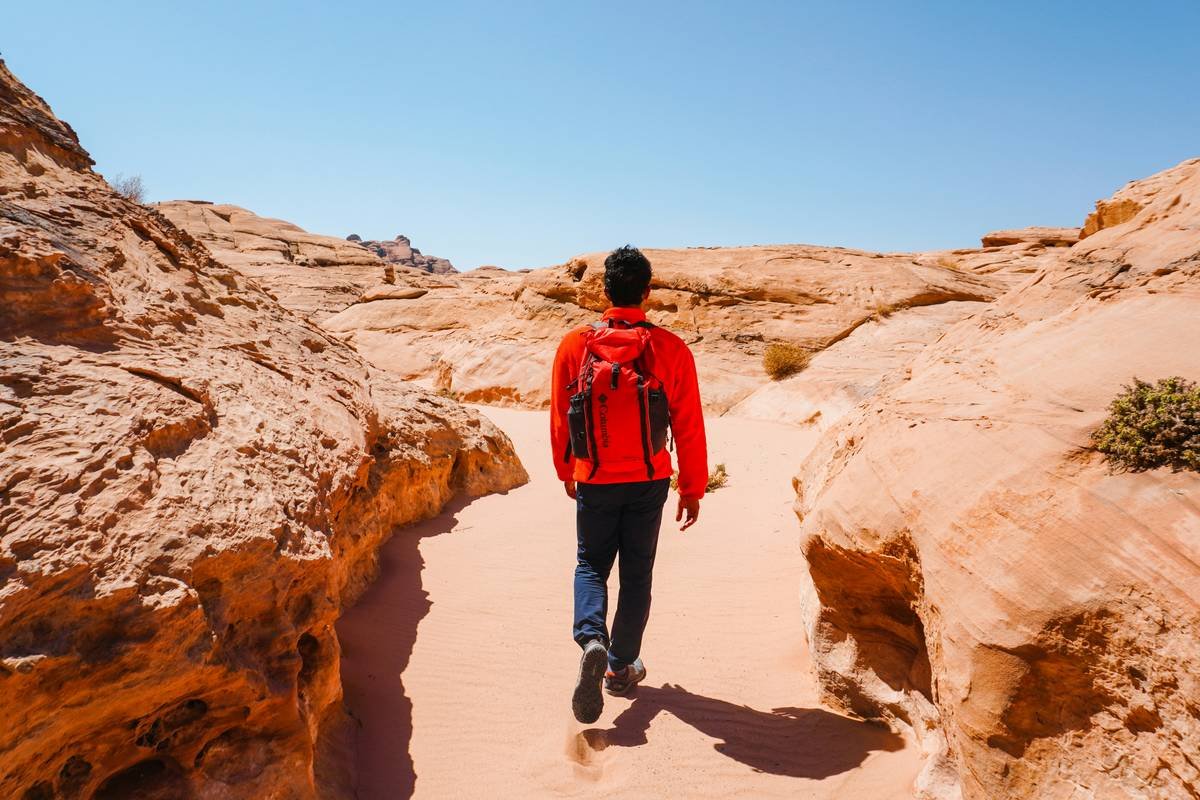
Yes. Absolutely. The Bedouin have worn full robes in 120°F heat for centuries—and they know a thing or two. Loose, light-colored pants (linen, ripstop nylon, or specialized hiking trousers) shield your skin from UV rays and abrasive wind-blown sand. Bonus: they reduce evaporative water loss, helping you stay hydrated longer.
What kind of hat is best for desert hiking?
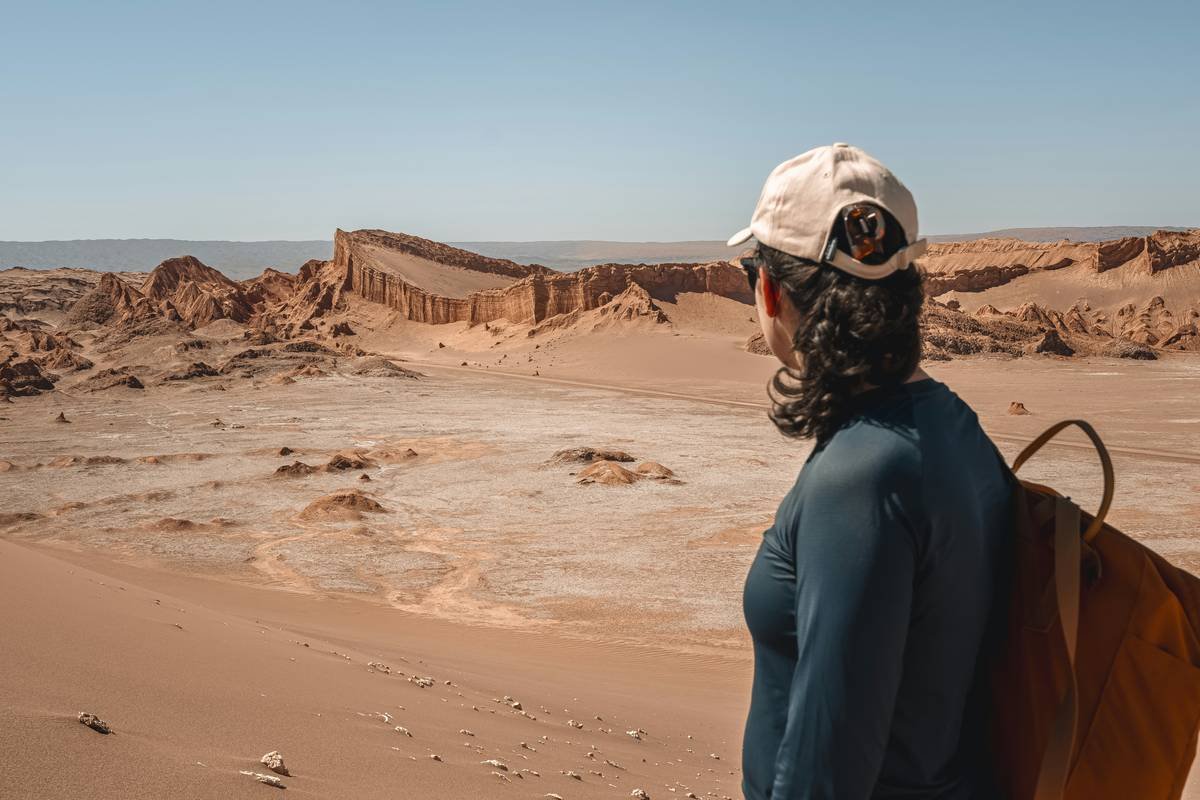
A wide-brimmed hat (at least 3-inch brim) that covers your neck and ears. Baseball caps? Useless. They leave 60% of your face exposed, per The Skin Cancer Foundation. My go-to: the Outdoor Research Sombrioletto—it packs flat, has a chin strap for wind, and blocks 98% of UV rays.
Are hiking boots necessary, or can I wear trail runners?
If your route includes loose scree, steep dunes, or rocky wadis: boots. Trail runners sink in sand, offer zero ankle support, and bake your feet. Look for mid-cut, breathable boots with aggressive tread (e.g., Salomon Quest 4 or Merrell Moab 3 Ventilator). And for the love of cacti: break them in before your trip. I once got blisters so bad I walked backwards down a hill—true story.
Should I bring extra layers for nighttime?
Desert temps drop 30–40°F after sunset. Always pack a lightweight insulated layer like a packable down or synthetic jacket. Even in summer, you’ll thank yourself during evening campfire storytelling.
7 Pro Tips Most Tourists Ignore (But Guides Swear By)
- Ditch the dark colors. White, beige, or light khaki reflect sunlight; black absorbs it—raising your core temp by up to 5°F.
- Wear moisture-wicking socks (wool or synthetic)—never cotton. Double-layer socks prevent blisters.
- Tie a shemagh or bandana around your neck. Dampen it for instant cooling or pull it up during dust storms.
- Avoid jewelry and tight straps. Metal heats up fast and can burn skin. Watch straps = instant friction zones.
- Apply sunscreen under clothing seams. Fabric shifts during hikes—exposing skin you thought was covered.
- Carry a lightweight windbreaker. Unexpected gusts whip up sand that stings like glass shards.
- Test your full outfit on a short hike first. Don’t debut new gear on a 10-mile dune trek.
🚫 Terrible Tip Disclaimer
“Wear sandals to let your feet breathe.” NO. Just… no. Sand gets in, rocks bruise soles, and venomous creatures lurk under rocks. Closed-toe shoes aren’t optional—they’re non-negotiable.
Rant Section: My Desert Fashion Pet Peeve
People wearing brand-new, stiff hiking boots straight out of the box on their first desert tour. I watched someone limp back to camp after 45 minutes looking like they’d wrestled a porcupine. Break. Them. In. Your feet will stage a mutiny otherwise. It sounds like your laptop fan during a 4K render—whirrrr of agony.
Real Desert Hiking Outfits That Worked (And One That Didn’t)
✅ Success: Sarah’s Jordan Safari (Wadi Rum, April)
– Base: Light grey merino T-shirt (UPF 50)
– Outer: Beige convertible hiking pants
– Footwear: Broken-in Lowa Renegades
– Accessories: Wide-brim hat, polarized sunglasses, shemagh
Result: Completed 8-hour trek, zero sunburn, posted killer sunset pics.
❌ Failure: Mark’s Death Valley Attempt (July)
– Outfit: Black cotton shorts, white tank top, flip-flops
– Gear: No hat, no sunscreen reapplication
Result: Heat cramps at mile 2, helicopter medevac (thankfully recovered).
Moral? The desert doesn’t care how “chill” your vibe is. It only cares if you respect its rules.
FAQs: Your Burning Questions About Desert Hiking Attire—Answered
Can I wear jeans for desert hiking?
No. Denim is heavy, retains moisture, and restricts movement. It also provides minimal sun protection when wet.
Is it okay to hike barefoot in the sand?
Only if you enjoy third-degree burns. Surface sand can exceed 150°F (65°C)—hot enough to fry an egg. Always wear closed shoes.
Do I need special underwear?
Yes! Seamless, quick-dry performance briefs or boxer briefs prevent chafing. Cotton = swamp diaper.
How much water should I carry with my outfit?
While not clothing, hydration pairs with attire. Carry 1 liter per hour of hiking in extreme heat (CDC recommendation). Use a hydration pack worn under your shirt to keep water cool.
Conclusion
Knowing how to dress for desert hiking isn’t about looking “Instagram-ready”—it’s about staying safe, comfortable, and present in one of Earth’s most unforgiving yet beautiful environments. From moisture-wicking base layers to wide-brimmed hats and broken-in boots, every piece serves a purpose. Remember: the desert rewards preparation and punishes arrogance.
So next time you plan a desert safari, ask yourself: “Am I dressed to survive—or just to scroll?” Pack smart, layer right, and may your only worry be whether your camel photobombs your selfie.
Like a Tamagotchi, your desert kit needs daily care—test it, tweak it, and never skip hydration.
Sand whispers low,
Wind steals your hat, sun scorches toes—
Wear UPF. Not hope.

