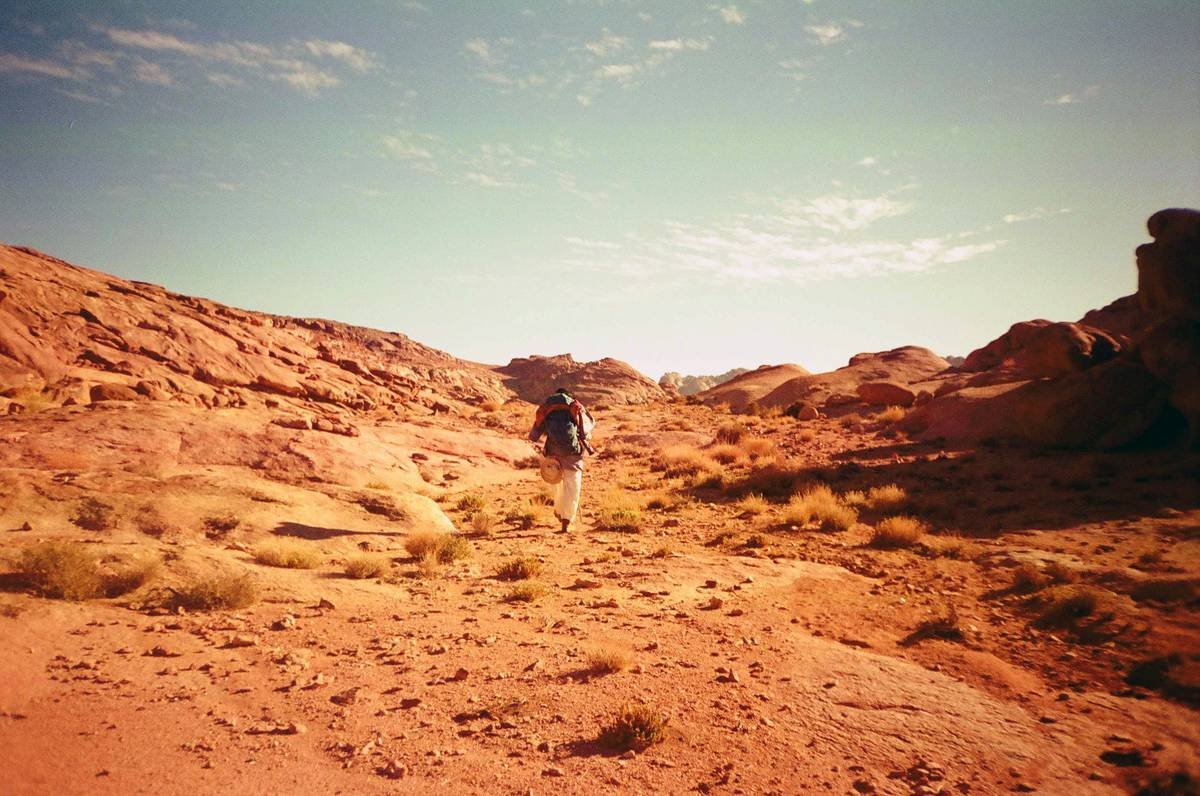
Ever watched a sunset in the desert and thought, “I could just walk forever out here”? Yeah, me too—until I ran out of water six miles in, my lips cracking like sun-baked clay, while a sidewinder slithered past like, “Amateur.”
If you’ve ever fantasized about hiking in a desert but aren’t sure where to start—or worse, what could go wrong—you’re not alone. Over 2.5 million people visit U.S. desert parks annually (NPS, 2023), yet emergency rescues spike every summer due to preventable mistakes: dehydration, navigation errors, and underestimating terrain.
This guide cuts through the Instagram gloss. Drawing from 12+ years as a certified desert wilderness guide (and one very humbling rescue call in Joshua Tree), I’ll show you how to hike responsibly, safely, and soul-stirringly in arid landscapes. You’ll learn:
- Why “just bring water” is dangerously incomplete advice
- How to read desert weather like a Bedouin elder
- Which trails reward solitude without sacrificing safety
- The gear that actually matters—and what’s just marketing fluff
Table of Contents
- Why Hiking in a Desert Isn’t Like Forest Trekking
- Step-by-Step Guide to Planning Your Desert Hike
- 7 Pro Tips Only Seasoned Desert Hikers Know
- Real Stories: When Things Went Right (and Very Wrong)
- FAQs About Hiking in a Desert
Key Takeaways
- Hiking in a desert demands unique prep: UV exposure, temperature swings, and scarce water sources require specialized planning.
- Never hike between 10 a.m.–4 p.m. in summer; surface temps can exceed 150°F (65°C).
- Carry 1 gallon (3.8L) of water per person per day minimum—even on short hikes.
- Cotton kills: Avoid it at all costs. Opt for moisture-wicking, light-colored fabrics.
- Always file a trip plan with someone reliable—not just post your route on Instagram.
Why Hiking in a Desert Isn’t Like Forest Trekking
Most hikers assume deserts are just “dry forests.” That mindset gets people airlifted out of Death Valley. Unlike temperate trails where shade, streams, and moderate temps buffer mistakes, deserts amplify errors into emergencies—fast.
According to the National Park Service, heat illness accounts for 68% of desert-related rescues in summer months. And it’s not just about sweat: radiant heat bouncing off sandstone can raise your core temperature even when air temps feel “mild.”
I learned this the hard way during a solo trek in Anza-Borrego. I wore dark pants thinking, “At least they’ll protect my legs.” By noon, I was dizzy, nauseous, and peeing brown—classic signs of rhabdomyolysis from heat stress. A park ranger later told me: “Your clothes cooked you like a baked potato wrapped in foil.”
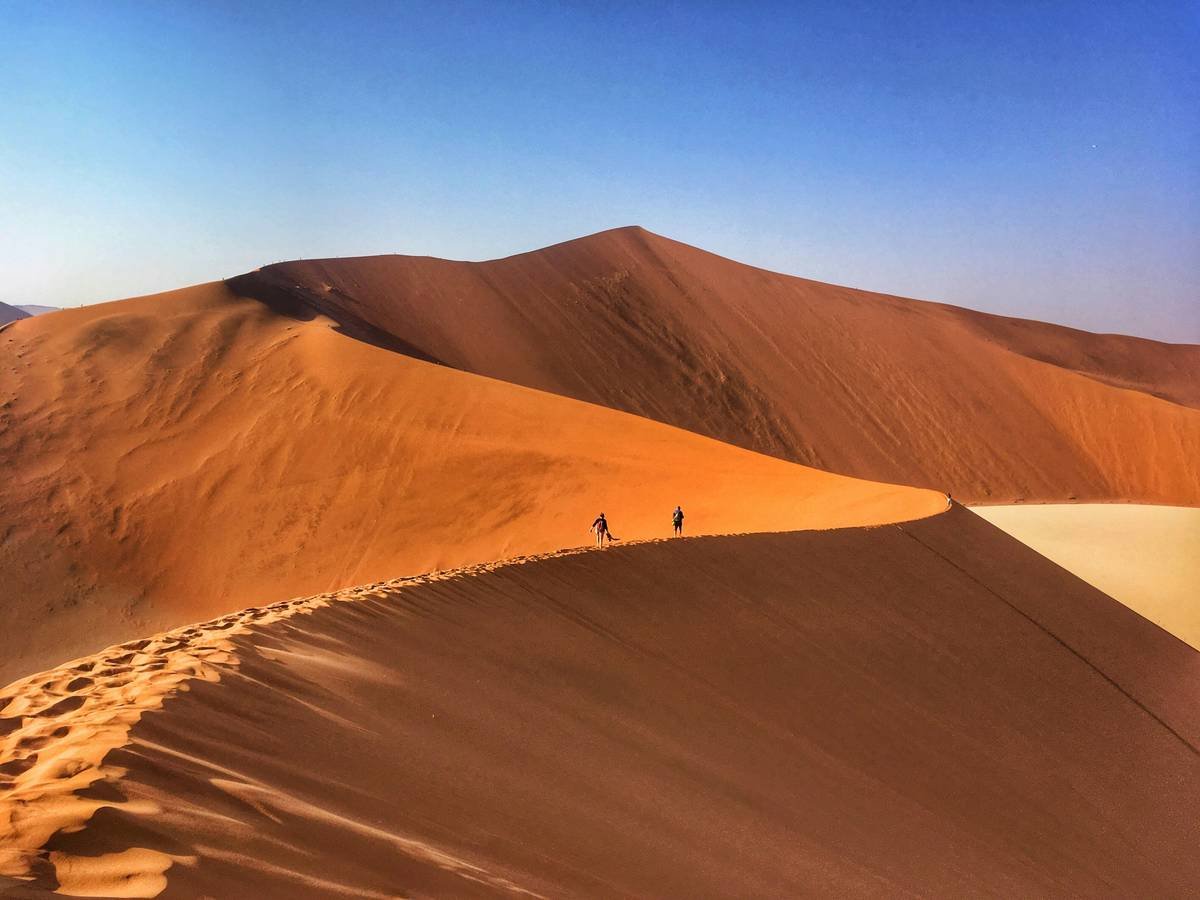
Optimist You: “Nature rewards bold adventurers!”
Grumpy You: “Bold adventurers get medevaced. Prepared ones get epiphanies at canyon rims.”
Step-by-Step Guide to Planning Your Desert Hike
How do I choose the right desert trail?
Prioritize trails with reliable signage, ranger stations, and recent user reports. Apps like AllTrails or Gaia GPS filter by “water availability” and “shade rating”—critical in deserts. Beginners should stick to loops under 5 miles in parks like Saguaro National Park (AZ) or White Sands (NM), where help is accessible.
When is the safest time to hike?
Avoid May–September unless you’re an experienced heat-adapted hiker. Ideal windows: October–April. Even then, start before sunrise. Surface temps drop 30–40°F overnight—your feet will thank you.
What gear is non-negotiable?
- Water: Minimum 1 gallon per person per day. Use hydration bladders + backup bottles.
- Clothing: Light-colored, loose-fitting UPF 50+ shirt, wide-brim hat, UV-blocking sunglasses.
- Navigation: Physical map + compass (GPS fails in canyons). Download offline maps.
- Emergency kit: Space blanket, electrolyte tabs, whistle, signal mirror.
Terrible tip disclaimer: “Just follow animal tracks—they lead to water!” Nope. Many desert animals get moisture from plants, not open sources. Following tracks could strand you deeper in nowhere.
7 Pro Tips Only Seasoned Desert Hikers Know
- Hydrate before you’re thirsty. Thirst lags behind actual dehydration by 2–3%. Drink 8 oz every 15–20 mins.
- Wear gaiters. They keep sand out of boots—which causes blisters faster than rocks.
- Check the dew point. If it’s below 30°F, dry heat feels more tolerable. Above 50°F? Humid heat = dangerous combo.
- Rest in shade every 30 minutes. Even 5 minutes lowers core temp significantly.
- Skip cotton socks. They retain moisture, breed bacteria, and accelerate trench foot in rare rain events.
- Carry salty snacks. Electrolytes prevent hyponatremia—yes, you can overhydrate with plain water.
- Talk to rangers—really talk. They know recent flash flood zones, rattlesnake dens, or trail washouts not on apps.
Rant section: Why do influencers pose barefoot on red dunes in heels at noon shouting “desert magic”? That’s not magic—that’s a Search & Rescue invoice waiting to happen. Real desert beauty reveals itself at dawn, in silence, with respect.
Real Stories: When Things Went Right (and Very Wrong)
Success: My friend Lena completed a 3-day rim-to-river hike in Grand Canyon’s South Kaibab Trail last March. She started at 4 a.m., carried 5L water, used electrolyte tabs hourly, and rested in Phantom Ranch’s shade. Result? Zero health issues and photos that actually captured the canyon’s grandeur—not just her suffering.
Near-miss: In 2022, a group of four attempted a “quick” loop in Death Valley at 2 p.m. in July. Their car overheated 2 miles in. They shared one liter of water. All suffered heat exhaustion; one needed IV fluids. The NPS report cited “failure to check forecast + unrealistic timeline.”
Moral: Ego doesn’t hydrate you. Preparation does.
FAQs About Hiking in a Desert
Can you hike in a desert during summer?
Only if you’re highly experienced, acclimatized, and hiking at night or very early morning. For 99% of people: no. The CDC warns that heat-related deaths peak June–August in Southwest U.S.
How much water do I really need?
Minimum 1 gallon (3.8 liters) per person per day—even for 3-hour hikes. In extreme heat or exertion, up to 2 gallons. Divide it: 2/3 in hydration pack, 1/3 in sealed bottles as backup.
Are snakes a real danger?
Rattlesnakes avoid humans. Most bites occur when hikers step near them unknowingly. Stay on trail, watch your step, and never put hands where you can’t see. Fatalities are extremely rare with prompt medical care.
What’s the best footwear for desert hiking?
Sturdy, ankle-supporting trail runners or lightweight boots with breathable mesh. Avoid waterproof liners—they trap heat. Brands like Altra, Salomon, and Merrell offer desert-specific models.
Do I need a permit?
For backcountry or multi-day hikes in parks like Joshua Tree or Canyonlands: yes. Day hikes on marked trails usually don’t require permits—but always verify with the managing agency.
Conclusion
Hiking in a desert isn’t about conquering barren wastelands—it’s about humility, preparation, and witnessing Earth’s quiet resilience. With surface temperatures that can melt shoe soles and skies so vast they recalibrate your soul, deserts demand respect, not recklessness.
Follow this guide, listen to rangers, hydrate obsessively, and start early. You’ll trade panic for peace, and survival for serenity—one grain of sand at a time.
And remember: the desert doesn’t care how many followers you have. But it will remember if you left trash… or took only photos.
Like a flip phone in 2005, your common sense is outdated—but still works if you use it.
Haiku:
Red rock, dry wind sighs,
Water sloshes in my pack—
Sun sets, I am small.

