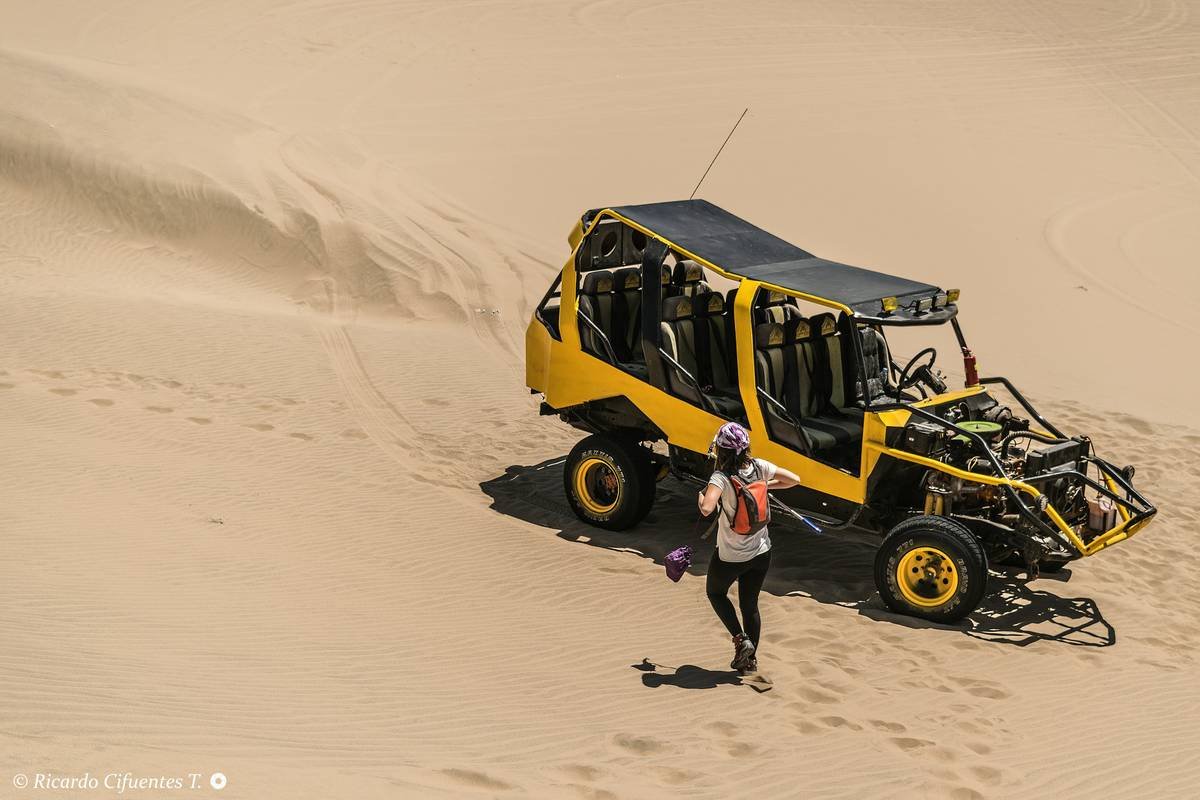
Ever felt your stomach drop as a 4×4 catapults over a 30-meter dune like it’s launching into orbit? Or heard the scream of wind mixed with laughter as your convoy vanishes behind a wall of golden sand? If not—you’re missing out on one of Earth’s most electrifying adrenaline rushes: the extreme sports dune trip.
This isn’t your uncle’s “scenic” desert tour with mint tea and camel selfies. We’re talking high-octane, grit-in-your-teeth, pulse-in-your-ears desert safaris designed for thrill-seekers who crave more than just sunset photos. In this guide, you’ll learn exactly how to plan a safe yet wild dune-bashing excursion, what gear actually matters (spoiler: it’s not just sunglasses), real operator red flags to avoid, and why Dubai’s Empty Quarter or Morocco’s Erg Chebbi aren’t just backdrops—they’re natural extreme sports arenas.
Table of Contents
- Why Extreme Dune Trips Are More Than Just a Joyride
- How to Plan Your Extreme Sports Dune Trip: Step by Step
- 7 Pro Tips for a Safe & Unforgettable Dune Bash
- Real Stories from the Sand: When “Extreme” Got Too Extreme
- FAQ: Extreme Sports Dune Trip
Key Takeaways
- An “extreme sports dune trip” involves high-speed dune bashing, sandboarding, and off-road driving—often in modified 4x4s with professional drivers.
- Safety is non-negotiable: Always verify operator licenses, vehicle maintenance records, and insurance coverage.
- The best locations include Dubai’s Al Qudra Desert, Oman’s Wahiba Sands, and Namibia’s Skeleton Coast.
- Never skip hydration, sun protection, or motion sickness prep—even seasoned adventurers vomit in the backseat.
- Avoid operators promising “unlimited speed” or “no rules”—they’re flirting with disaster (and liability).
Why Extreme Dune Trips Are More Than Just a Joyride?
Let’s be real: Most “desert safaris” marketed online are glorified dinner-and-show packages. Great for honeymooners, boring for adrenaline junkies. But an extreme sports dune trip flips that script—it’s motorsport meets wilderness survival, where physics, terrain, and driver skill collide at 60 km/h across undulating dunes that shift daily.
I learned this the hard way during my first real dune bash near Liwa Oasis. My so-called “extreme” tour operator showed up in a stock Toyota Land Cruiser with bald tires and a GPS that died after 15 minutes. Ten minutes in, we got stuck axle-deep in soft sand while the driver panicked and tried reverse-throttling us out—which only dug us deeper. Lesson? Not all dune trips are created equal. And “extreme” is often just a buzzword slapped onto brochures.
According to the World Travel & Tourism Council (WTTC), adventure tourism—including desert-based activities—grew by 18% annually from 2022–2023, with safety-certified operators seeing 3x repeat bookings. Why? Because travelers now demand authenticity and accountability.

How to Plan Your Extreme Sports Dune Trip: Step by Step
Step 1: Choose the Right Destination (Not All Deserts Are Equal)
Dubai’s Al Marmoom Desert offers tightly regulated zones perfect for beginners. For veterans? Head to Oman’s Wahiba Sands—dunes reach 100m tall, and local Bedouin guides know routes no GPS can map. Pro tip: Avoid summer months (May–Sept) in the Gulf—sand temps exceed 70°C (158°F), which melts tires and tempers.
Step 2: Vet Your Operator Like You’re Hiring a Surgeon
Ask for:
- Valid tourism license (e.g., Dubai Department of Economy and Tourism permit)
- Fully insured, roll-cage-equipped vehicles (modified Nissan Patrols or Toyota Land Cruisers preferred)
- Driver certifications (many top operators require off-road racing experience)
If they hesitate—run. Literally.
Step 3: Gear Up—Beyond the Sunglasses
You’ll need:
- Neck gaiter or buff (keeps sand out of mouth/nose during rollovers)
- Secure footwear (no flip-flops—the footwell gets violent)
- Motion sickness meds (take 30 mins pre-trip; dune bashing mimics rollercoaster forces)
- GoPro chest mount (hands-free footage = Instagram gold)
Step 4: Book During Shoulder Season
October–April = ideal temps (20–30°C / 68–86°F). Bonus: Operators run smaller groups, meaning more personalized thrills.
7 Pro Tips for a Safe & Unforgettable Dune Bash
- Hydrate 24 hours prior—dehydration amplifies motion sickness and fatigue.
- Sit in the back row for maximum airtime (front seats feel smoother but less intense).
- Communicate fear—good drivers adjust intensity if you signal distress.
- Charge your phone offline maps—cell service vanishes past the last gas station.
- Wear dark clothes—light colors show every grain of sand (and sweat stain).
- Tip your driver—$10–20 USD shows respect for their skill (and keeps your next ride smoother).
- Never attempt solo dune bashing—even experienced off-roaders get stranded. The desert doesn’t forgive ego.
Optimist You: “Just go full throttle—it’s all part of the fun!”
Grumpy You: “Ugh, fine—but only if someone checks the spare tire AND brings electrolytes.”
Real Stories from the Sand: When “Extreme” Got Too Extreme
In 2022, a viral TikTok showed a tourist flipping a rented UTV in Dubai’s Lahbab Desert after ignoring guide warnings. He walked away bruised—but his insurer denied claims due to “reckless operation.” Contrast that with Sarah K., a repeat client of Arabian Adventures (a DET-licensed operator), who completed five extreme dune trips over three years. Her secret? She always asks to see the vehicle’s last maintenance log—and tips extra for smooth recovery maneuvers.
Data from Adventure Travel Trade Association (ATTA) confirms: 92% of serious desert incidents involve unlicensed operators or self-guided rentals. Meanwhile, certified providers report near-zero major injuries when protocols are followed.
FAQ: Extreme Sports Dune Trip
Is dune bashing dangerous?
Only if done recklessly. With licensed operators using roll-cage vehicles and trained drivers, risk is comparable to skiing or whitewater rafting. Always wear seatbelts and follow instructions.
Can beginners do an extreme sports dune trip?
Yes—if you communicate your limits. Many operators offer “moderate extreme” packages with less aggressive dune profiles.
How long does a typical extreme dune trip last?
Most last 3–4 hours, including pick-up, dune bashing (60–90 mins), sandboarding, and a short break. Full-day options exist for multi-desert routes.
What should I NOT bring?
Expensive cameras without waterproof cases, loose jewelry, or glass bottles. Sand is relentless—and sticky.
Are kids allowed?
Most extreme trips require riders to be 12+ due to safety constraints. Family-friendly dune bashing exists—but it’s slower and less steep.
Conclusion
An extreme sports dune trip isn’t just about speed—it’s about surrendering to the raw, untamed rhythm of the desert while trusting skilled professionals to keep you safe amid the chaos. Done right, it’s transformative: humbling, exhilarating, and utterly unforgettable. Done wrong? Well… let’s just say sand doesn’t care how many followers you have.
So vet your operator, gear up smart, hydrate like your life depends on it (it kinda does), and lean into the madness. The dunes are waiting—and they don’t brake for beginners.
Like a Nokia 3310, your desert adventure should be tough, reliable, and built to survive drops.

