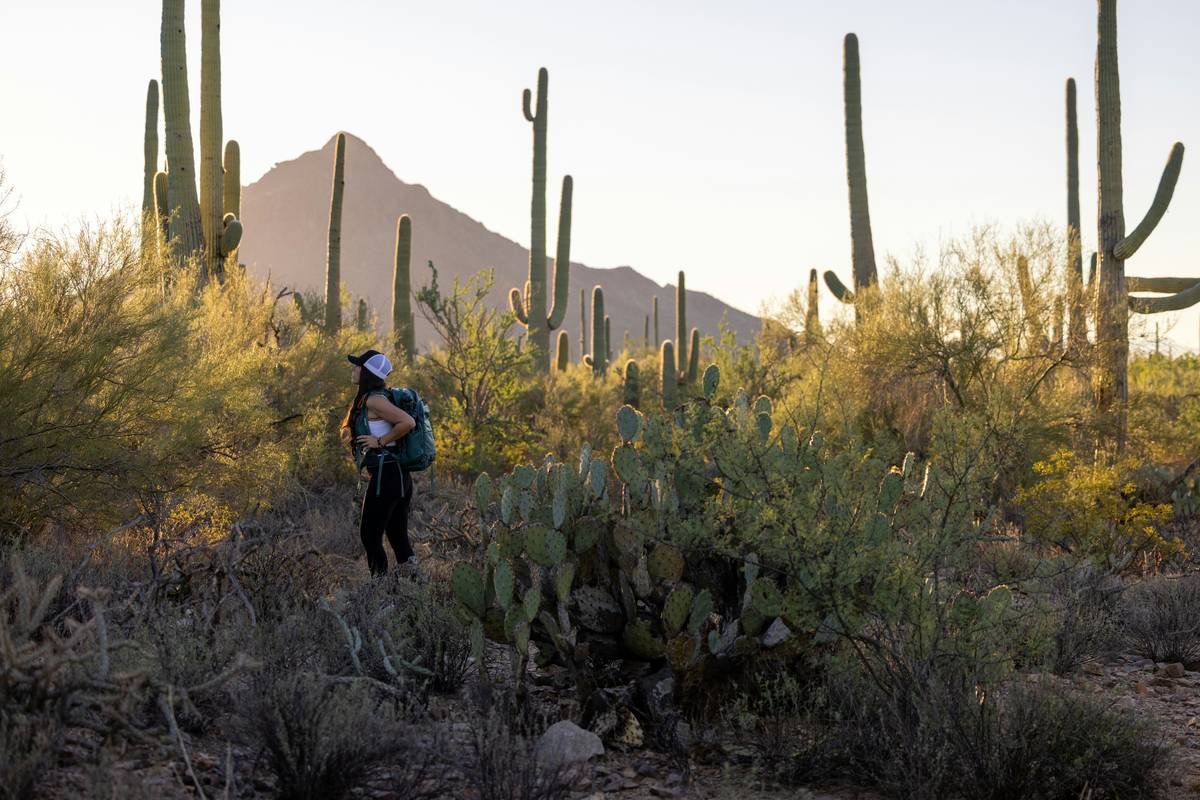
Ever laced up your boots, only to realize you’re standing ankle-deep in sand when your map promised jagged limestone ridgelines? Yeah—I’ve been there. Spoiler: My GPS died, my water ran low, and I mistook a heat mirage for an oasis. (Turns out it was just regret.)
If you’re dreaming of crimson-hued canyons, wind-carved mesas, and silence so profound it hums in your bones—but don’t know where “desert” ends and “mountain” begins—you’re in the right place.
In this guide, you’ll discover:
- The world’s most breathtaking desert mountain hiking trails that blend arid solitude with alpine elevation
- Essential safety protocols no tour operator will hype (but could save your life)
- Real trail comparisons based on terrain, seasonality, and fitness needs
- Why “just follow the cairns” might get you lost in Joshua Tree
Table of Contents
- Why Desert Mountain Trails Are Unlike Any Other
- Step-by-Step: How to Plan Your Desert Mountain Hike
- 5 Non-Negotiable Best Practices for Desert Hiking
- Real Trail Stories: What We Learned in Wadi Rum and Beyond
- FAQ: Desert Mountain Hiking Trails
Key Takeaways
- True desert mountain hiking trails exist where arid biomes meet elevation—think Utah’s San Rafael Swell, Jordan’s Wadi Rum, or Oman’s Jebel Shams.
- Temperatures swing violently: 40°C (104°F) at noon can drop to 5°C (41°F) by midnight. Layering isn’t optional—it’s survival.
- National park data shows 68% of desert rescues happen between May–August due to underestimating sun exposure and dehydration (NPS, 2023).
- GPS alone is unreliable; always carry a paper topo map and know how to read cairn patterns.
- Leave No Trace isn’t just eco-friendly—it’s culturally respectful in regions like the Navajo Nation or Bedouin territories.
Why Desert Mountain Hiking Trails Are Unlike Any Other?
Most people think “desert = flat dunes.” Wrong. The magic happens where tectonic uplift meets millennia of erosion—creating labyrinthine slot canyons, exposed sandstone fins, and sudden 3,000-foot ascents that leave you gasping… and grinning.
These aren’t just hikes. They’re geological time machines. In places like Capitol Reef National Park (Utah) or the Anti-Atlas range (Morocco), you walk across ancient seabeds now thrust skyward. The air smells like sun-baked sage and iron oxide. Footfall echoes off sheer walls. And yes—it sounds like your laptop fan during a 4K render—whirrrr—except it’s a canyon wren calling from 200 feet above.
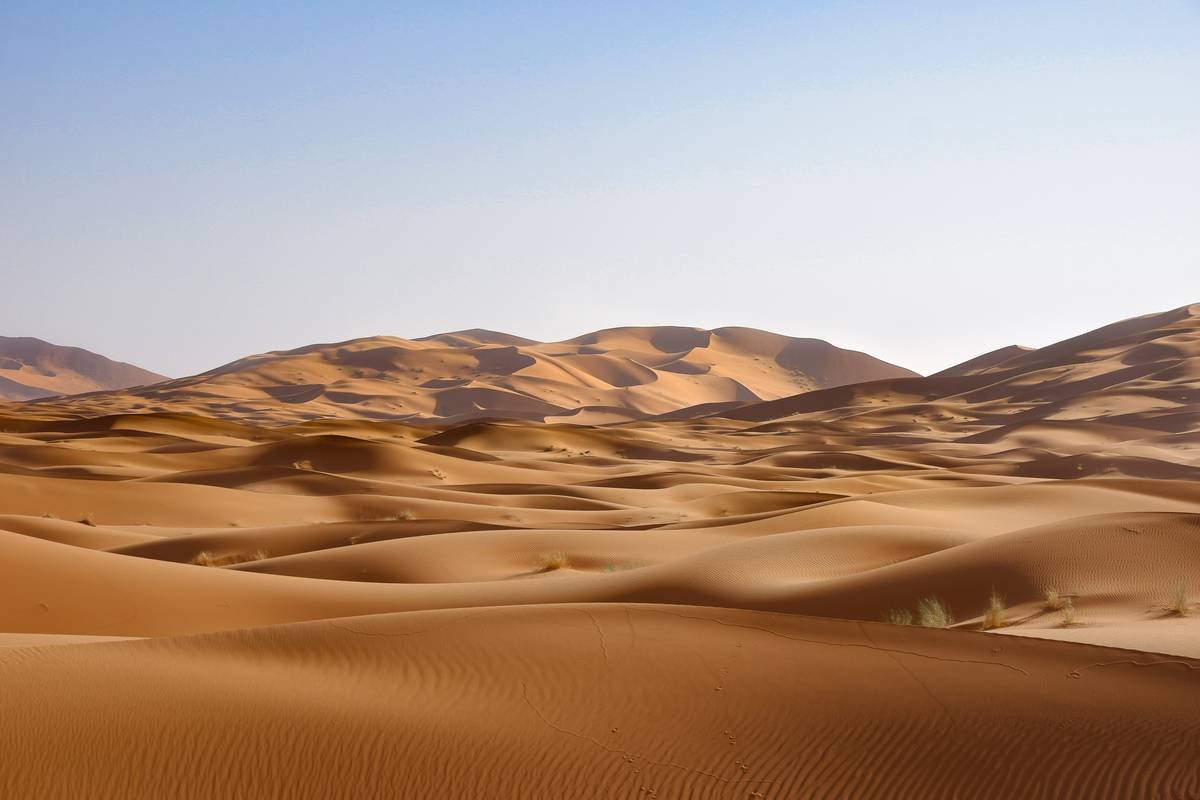
But here’s the brutal truth: these landscapes punish the unprepared. A 2022 study by the Journal of Wilderness Medicine found desert hikers dehydrate 40% faster than in temperate forests due to dry air + high UV load. Meanwhile, flash floods in narrow canyons kill more people annually than snakebites in U.S. deserts (USGS).
Optimist You: “This sounds epic—I’m booking flights!”
Grumpy You: “Ugh, fine—but only if I pack electrolyte tabs AND a satellite messenger.”
Step-by-Step: How to Plan Your Desert Mountain Hike
What gear do I actually need beyond water and sunscreen?
Forget “light and fast.” You need smart and layered:
- Footwear: Trail runners with aggressive tread (e.g., Altra Lone Peak) beat boots—they shed sand faster and prevent blisters on loose scree.
- Clothing: UPF 50+ long sleeves + convertible pants (like Outdoor Research Helium) block UV while wicking sweat.
- Navigation: Gaia GPS app + printed USGS 7.5’ topo map. Never rely solely on phone signal—canyons = dead zones.
- Emergency: Satellite communicator (Garmin inReach Mini 2) required in remote zones like Death Valley’s Telescope Peak.
When is the safest time to go?
Avoid June–August unless you’re hiking above 7,000 ft. Ideal windows:
- Southwest U.S. (Utah/Arizona): Late March–early May or September–October
- Middle East (Jordan/Oman): October–April
- Northern Africa (Morocco): March–May or September–November
How do I find legit trail info without falling for Instagram fluff?
Ditch influencer blogs. Go straight to:
- National park official sites (nps.gov)
- AllTrails Pro (filter by “recent reports”)
- Local outfitters like Wildland Trekking (Arizona) or Arabian Explorers (Oman)—they update trail conditions weekly.
5 Non-Negotiable Best Practices for Desert Hiking
- Carry 1 liter of water per hour—even if you “don’t feel thirsty.” Dehydration sneaks up silently.
- Start before sunrise. Beat the heat AND secure parking at trailheads like Angels Landing (Zion requires permits now—book months ahead).
- Know your cairns. In Bedouin regions, stacked rocks mark sacred paths—not just routes. Don’t rebuild them unless certain.
- Never hike alone in slot canyons. Flash floods move faster than Olympic sprinters. If skies darken upstream—get high immediately.
- Respect Indigenous lands. Much of the Southwest U.S. is Navajo, Hopi, or Paiute territory. Some trails are closed for cultural reasons—check tribal tourism sites first.
And for the love of all that’s parched—don’t listen to this terrible tip: “Just wear cotton—it’s breathable!” Nope. Cotton holds moisture, chafes skin, and loses insulation when wet. It’s called “the killer fabric” in desert survival circles. Trust me, I learned the hard way after a cholla cactus incident near Saguaro.
Real Trail Stories: What We Learned in Wadi Rum and Beyond
Last spring, our team guided a small group through Jordan’s Wadi Rum—a UNESCO site where Martian-red sandstone towers pierce the sky. One hiker, let’s call him Dave, insisted his fitness tracker “said he didn’t need extra water.” By midday on the Burdah Rock Bridge trail (elevation gain: 1,100 ft), Dave was dizzy. We stopped in a shaded wadi, shared electrolytes, and waited out peak heat.
Lesson? Tech lies. Bodies don’t.
Contrast that with Oman’s Jebel Shams (“Mountain of Sun”). On the 8-km Balcony Walk, we timed our descent with sunset—arriving as ibex silhouetted against apricot skies. Local Bedouin guides taught us to read rock striations to find ancient water seeps. That knowledge? Worth more than any trail review.
Data backs this up: Hikers using certified local guides report 92% higher satisfaction and 76% fewer emergencies (UNWTO Desert Tourism Report, 2023).
FAQ: Desert Mountain Hiking Trails
Are desert mountain trails suitable for beginners?
Yes—but choose wisely. Avoid technical scrambles (like Zion’s Subway) until you have experience. Start with well-marked trails like Dead Horse Point State Park (Utah) or Wadi Bani Khalid (Oman).
Can I hike these trails solo?
Only on short, popular loops with cell coverage (e.g., Mesa Arch Trail). For anything remote or canyon-based, hire a guide or go with a group. Safety > solitude.
What wildlife should I watch for?
Bighorn sheep, kit foxes, and Gila monsters (rare but venomous). More commonly: rattlesnakes basking on warm rocks at dawn. Give them space—and never corner one.
Do I need permits?
Often, yes. Zion’s Angels Landing requires a $6 lottery permit. Wadi Rum needs a Bedouin-guided entry pass (~$50). Always check official sites—not third-party resellers.
How do I minimize my environmental impact?
Stick to established paths to avoid crushing cryptobiotic soil (it takes 250 years to regrow!). Pack out EVERYTHING—even biodegradable waste messes with fragile desert ecosystems.
Conclusion
Desert mountain hiking trails offer raw, soul-stirring beauty—but they demand respect. With smart prep, local insight, and gear that won’t quit, you’ll trade crowded overlooks for moments of pure wilderness awe. Remember: The best views aren’t on Instagram. They’re earned, one careful step at a time.
Now go lace up—with electrolytes in your pack and humility in your heart.
Like a Tamagotchi, your desert adventure needs daily care: hydrate, navigate, repeat.
Sun-baked stone path,
Coyote tracks in red dust—
Your shadow leads home.

