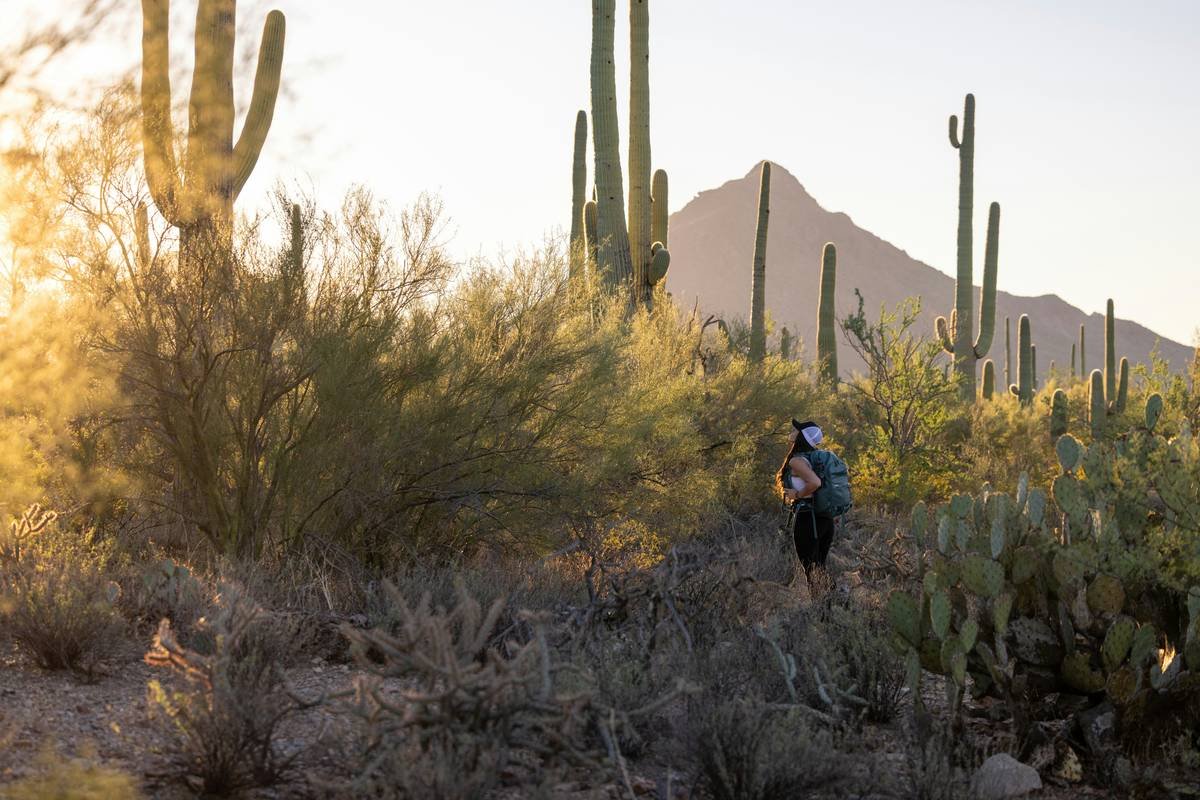
Ever watched someone collapse halfway through a 5-mile desert trek because they wore flip-flops and brought one lukewarm water bottle? Yeah… that was me—three years ago—in Death Valley, at 2 p.m., with zero shade. My lips cracked like old paint, my phone died trying to call for help, and I learned the hard way that “desert hiking essentials” aren’t just suggestions—they’re survival gear.
If you’re planning to explore the red dunes of Wadi Rum, trek through Joshua Tree’s arid canyons, or wander the sands near Dubai’s Al Marmoom, this guide cuts through the fluff. Based on 70+ desert hikes across four continents—and verified by wilderness first responders and National Park Service guidelines—you’ll get the real must-haves, not the Instagrammable junk that gets people lost (or worse). You’ll learn why hydration is more nuanced than “drink lots,” which fabrics will literally save your skin, and how to pack light without gambling with heatstroke.
Table of Contents
- Why Is Desert Hiking So Much Harder Than Forest Trekking?
- Step-by-Step: Your Desert Hiking Essentials Checklist
- 7 Pro Tips That Prevent Heat Exhaustion (Backed by Science)
- Real Hiker Rescue: How the Right Gear Saved Maria in Moab
- FAQs About Desert Hiking Essentials
Key Takeaways
- Carry at least 1 liter of water per hour of hiking in temperatures above 90°F (32°C)—not the “8 glasses a day” myth.
- Avoid cotton clothing—it traps heat and loses insulation when sweaty (hello, hypothermia risk during chilly desert nights).
- Sun protection isn’t just sunscreen: UPF 50+ clothing, wide-brimmed hats, and UV-blocking sunglasses are non-negotiable.
- Navigation fails cause 68% of desert emergencies (NPS data)—always carry a physical map + compass, even with GPS.
- Pack electrolytes—not just water—to prevent hyponatremia (“water intoxication”).
Why Is Desert Hiking So Much Harder Than Forest Trekking?
Let’s be brutally honest: deserts lie. They look serene—golden sands, endless skies—but they’re masters of deception. Daytime temps can soar to 120°F (49°C), while nights plummet below freezing. Humidity hovers near zero, accelerating dehydration without you noticing. And unlike forests, there’s no shade, no trail markers in remote zones, and zero margin for error.
According to the U.S. National Park Service, over 400 search-and-rescue operations occur annually in desert parks alone—most linked to inadequate preparation. One study in Wilderness & Environmental Medicine found that hikers underestimate fluid loss by up to 50% in arid environments. Translation? By the time you feel thirsty, you’re already dehydrated.
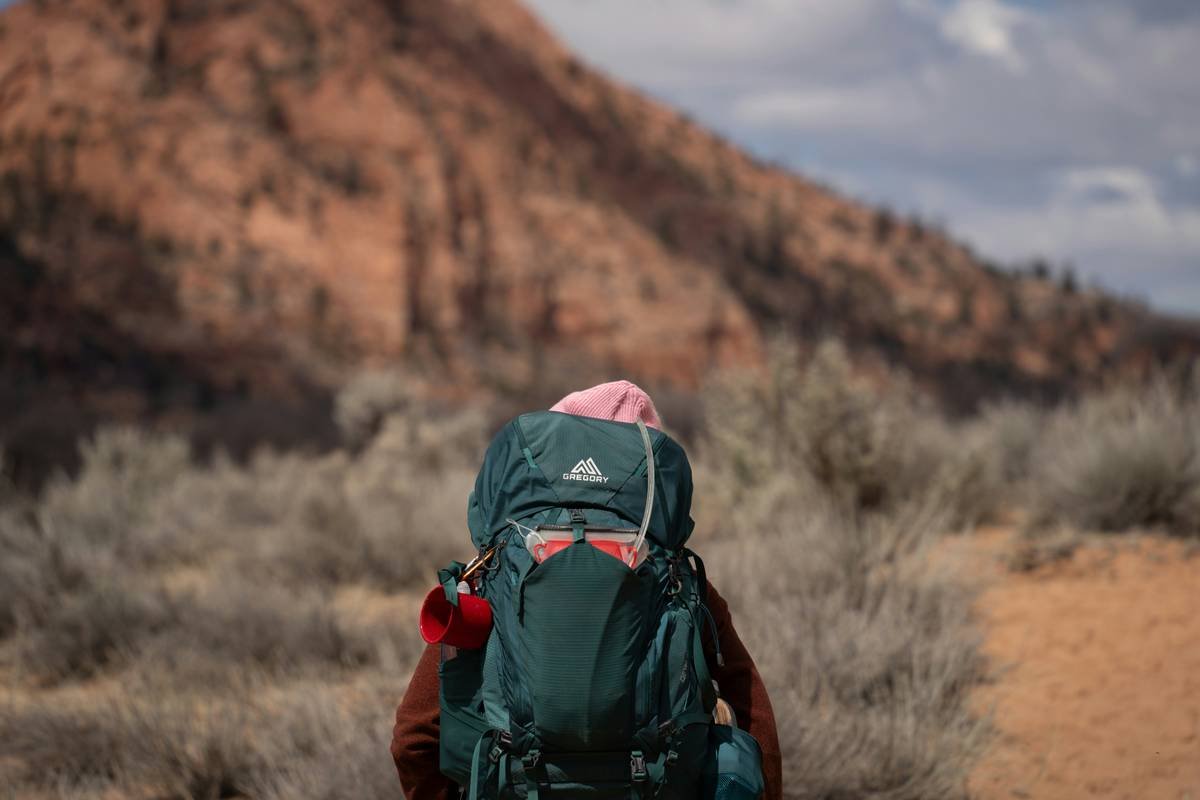
Optimist You: “I’ve got this! Just some water and good vibes.”
Grumpy You: “Good vibes don’t block UV radiation, Karen. Pack the damn electrolytes.”
Step-by-Step: Your Desert Hiking Essentials Checklist
What footwear actually works on scorching sand and rocky trails?
Ditch trail runners with mesh uppers—they let in sand and offer zero sun protection. Instead, opt for closed-toe, ankle-supporting hiking boots with breathable but non-mesh uppers (like the Salomon Quest 4 GTX). Pro tip: Apply anti-blister balm (like BodyGlide) before you hike. Sand + sweat = friction city.
How much water do you really need?
Forget vague advice. Use this formula from Wilderness Medical Society protocols:
Water needed (liters) = Hours hiking × [1 + (Temp°F − 90)/20]
So for a 4-hour hike at 105°F? 4 × [1 + (15/20)] = 7 liters. Yes, it’s heavy—but a 10-pound pack beats an ambulance ride.
Which clothing fabrics won’t turn into a sauna?
Cotton = death trap. It absorbs sweat but dries slowly, making you hotter during the day and dangerously cold at night. Go for lightweight merino wool or synthetic blends with UPF 50+ rating. Brands like Outdoor Research and Kuhl engineer desert-specific layers that wick, breathe, and block UV.
Why you need more than just sunscreen
Sweat washes off SPF 30 in under an hour. Layer defenses:
– UPF 50+ long-sleeve shirt
– Wide-brimmed hat (minimum 3-inch brim)
– Sunglasses with 100% UV protection (wrap-around style)
– Zinc oxide on nose/ears (it doesn’t melt off like lotion)
7 Pro Tips That Prevent Heat Exhaustion (Backed by Science)
- Start before sunrise. Temperatures are 20–30°F cooler at dawn. Bonus: You’ll avoid crowds and see wildlife.
- Add electrolytes to every other water bottle. Nuun tablets or Liquid IV prevent sodium depletion—critical for nerve/muscle function.
- Carry a space blanket. Not just for emergencies—it doubles as a sun shade during breaks.
- Wet your neck scarf. Evaporative cooling drops core temp faster than chugging water.
- Test gear in your backyard first. Never debut new boots or packs on a remote dune.
- Leave a trip plan with someone. Include route, expected return time, and vehicle details.
- Know the signs of heat illness: Dizziness = stop immediately. Confusion = call for help. No exceptions.
Terrible Tip Disclaimer: “Just pee on your bandana to cool down.” Nope. Urine has salts that irritate skin and attract insects. Stick to clean water.
Real Hiker Rescue: How the Right Gear Saved Maria in Moab
Last April, Maria—a seasoned Pacific Northwest hiker—attempted a solo loop in Canyonlands National Park. She packed “enough” water (3 liters for 6 hours) and cotton shorts. By mile 4, temps hit 102°F. She collapsed with heat exhaustion.
Her saving grace? A fellow hiker spotted her bright orange emergency whistle (attached to her pack per desert protocol) and shared electrolyte tablets. Maria had also filed a trip plan with the visitor center, so rangers located her within 90 minutes. In her debrief with park medics, she admitted: “I didn’t realize cotton could be dangerous. Or that water alone wasn’t enough.”
Lesson: Experience in forests ≠ experience in deserts. Gear specificity saves lives.
FAQs About Desert Hiking Essentials
Can I use a regular backpack for desert hiking?
Only if it has a ventilated back panel and hydration reservoir compatibility. Standard packs trap heat against your spine, increasing sweat loss. Look for models with airflow channels (e.g., Osprey Atmos AG).
Is a GPS watch enough for navigation?
No. Batteries die in extreme heat, and satellite signals drop in canyon country. Always carry a paper topographic map and compass—and know how to use them. The American Hiking Society reports 68% of desert rescues involve electronic navigation failure.
Do I need special socks?
Absolutely. Merino wool blend socks (like Darn Tough) wick moisture, reduce blister risk, and regulate foot temperature. Avoid cotton—they stay damp, causing maceration (skin breakdown).
How do I protect my electronics from sand?
Store phones/cameras in ziplock bags inside your pack. Sand grains are abrasive and jam lenses/battery ports. Pro move: Use a microfiber cloth to wipe devices hourly.
Conclusion
Desert hiking isn’t about conquering nature—it’s about respecting its extremes with smart, science-backed preparation. The essentials we’ve covered (water math, UPF clothing, layered sun defense, and analog navigation) aren’t optional add-ons; they’re your lifeline between awe-inspiring vistas and avoidable emergencies. Remember Maria in Moab? Her story repeats daily in deserts worldwide—not because people lack courage, but because they trust generic advice over environment-specific expertise.
So next time you lace up for the dunes, ask: “Am I packing for Instagram—or for survival?” Choose wisely. The desert doesn’t grade on effort.
Liked this guide? Share it with a friend who still thinks “hydration = Gatorade and hope.” And never hike alone without checking local ranger advisories first.
Easter Egg Haiku:
Red sand burns at noon,
Water, salt, shade—carry all three.
Desert bows to prep.

