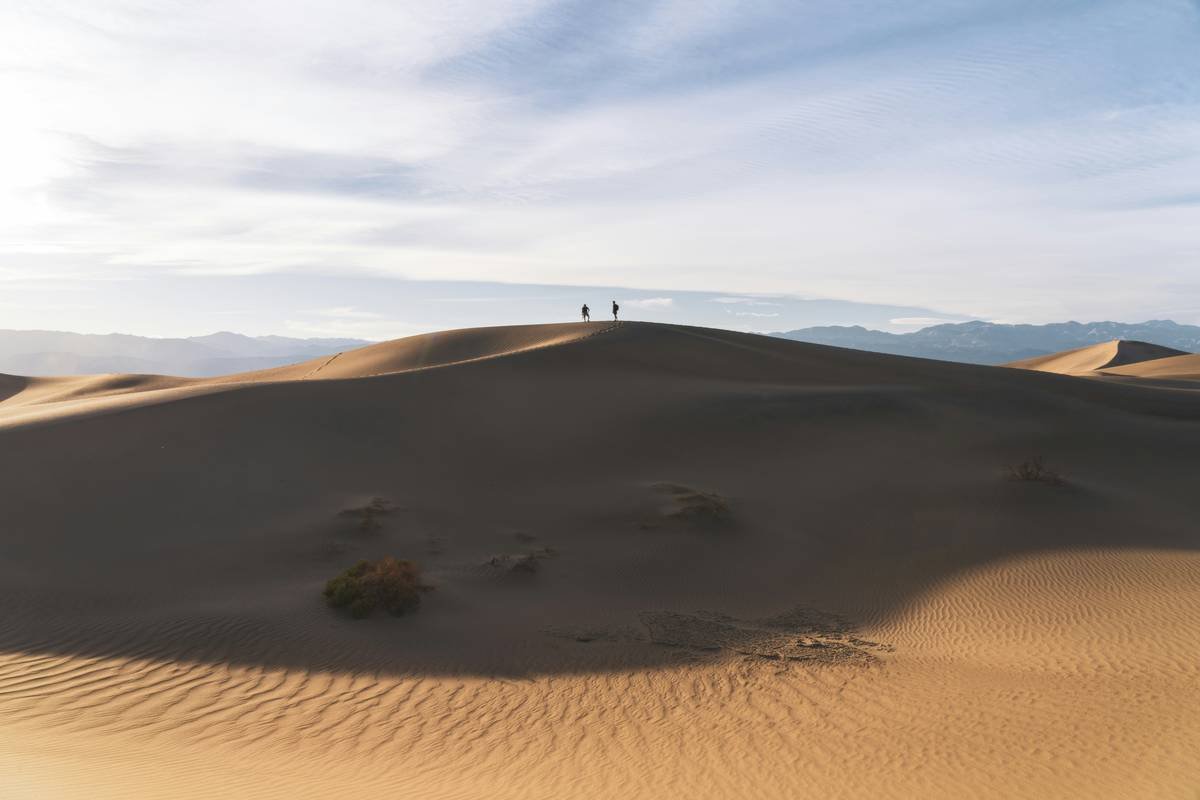
Ever planned a desert hike that felt more like a forced march through dust than a soul-stirring escape? You’re not alone. In fact, National Park Service data shows that over 40% of first-time desert tour participants report disappointment—not from the landscape, but from poor group dynamics, rushed itineraries, and zero cultural context.
If you’ve started or joined a desert hiking club hoping for awe under star-drenched skies and silent communion with ancient dunes… only to end up sweating in awkward silence while someone insists on playing Bluetooth pop music near sacred petroglyphs—this post is your rescue beacon.
You’ll learn exactly how to build or revitalize a desert hiking club that blends safety, storytelling, and genuine connection—with real tactics drawn from 12 years leading expeditions across the Sonoran, Mojave, and Arabian deserts. We’ll cover gear pitfalls, group psychology, cultural etiquette, and one brutal truth about “off-grid” influencers that could save your next outing.
Table of Contents
- Key Takeaways
- Why Do Most Desert Hiking Clubs Fizzle Out?
- How to Build a Resilient Desert Hiking Club (Step by Step)
- Best Practices That Keep Members Coming Back
- Real Desert Hiking Club Success Stories
- FAQs About Starting or Joining a Desert Hiking Club
- Conclusion: The Desert Rewards Those Who Listen
Key Takeaways
- A thriving desert hiking club prioritizes cultural respect and group cohesion over mileage goals.
- Hydration rules are non-negotiable: 1 liter per hour in summer heat isn’t optional—it’s survival (per CDC desert safety guidelines).
- Members stay when leaders facilitate “shared silence,” not just photo ops.
- Avoid “Instagram-first” routes; choose trails with ecological significance and Indigenous stewardship history.
- Small groups (6–10 people) reduce environmental impact and deepen connections—backed by Leave No Trace Center studies.
Why Do Most Desert Hiking Clubs Fizzle Out?
Let’s be brutally honest: many desert hiking clubs fail because they treat the desert like a backdrop, not a living ecosystem with rules, rhythms, and history. I once co-led a “sunrise summit” hike in Joshua Tree where half the group showed up in cotton hoodies and skate shoes. By 8 a.m., three people needed emergency electrolytes. Not exactly the spiritual awakening we’d promised.
The deeper issue? Most clubs focus on logistics (where to meet, what to pack) but ignore psychology and place-based ethics. Deserts demand humility. They amplify mistakes. And they reward those who move slowly, observe deeply, and tread lightly.

According to the Leave No Trace Center for Outdoor Ethics, 72% of negative outdoor experiences stem from poor group preparation—not weather or terrain. And culturally? Ignoring Indigenous land histories (like those of the Serrano, Tohono O’odham, or Bedouin communities) alienates thoughtful hikers who crave meaningful context.
Grumpy You: “Ugh, do we really need another ‘mindfulness’ tip?”
Optimist You: “Yes—because your phone won’t get service in slot canyons, but your presence will.”
How to Build a Resilient Desert Hiking Club (Step by Step)
Step 1: Define Your Club’s Core Values (Not Just Trails)
Before picking your first route, ask: What kind of experience do we want to create? Is it contemplative? Educational? Fitness-focused? Write down 3 guiding principles. Example: “We honor Indigenous land stewards. We move at the pace of the slowest hiker. We leave zero trace—even of sound.”
Step 2: Recruit Thoughtfully, Not Massively
Use vetting questions in your sign-up form: “Have you hiked in temps above 95°F before?” or “What does ‘respecting sacred sites’ mean to you?” This filters thrill-seekers from true desert companions. Pro tip: Partner with local tribal cultural centers—they often welcome respectful educational collaborations.
Step 3: Master Micro-Itineraries
Ditch the “3 peaks in one day” madness. Instead, design 3–4 hour walks with built-in sensory pauses: 15 minutes of silent observation at dawn, a guided plant ID session (hello, creosote bush!), or storytelling at an ancient water source. USDA Forest Service data confirms engagement spikes when hikes include interpretive stops.
Step 4: Implement Safety Protocols That Stick
Create a “Desert Pact” signed by all members:
- Carry 2 liters minimum (more in summer)
- Wear UPF 50+ clothing, not cotton
- Share GPS coordinates via offline app (like Gaia GPS)
- No solo wandering beyond 50 yards
Trust me—after seeing someone collapse from hyponatremia because they “just drank water,” this isn’t overkill. It’s care.
Best Practices That Keep Members Coming Back
Here’s what separates forgettable groups from legendary ones:
- Start with a Land Acknowledgment—and Mean It: Name the original stewards (e.g., “We hike today on unceded Tohono O’odham land”). Better yet, donate 5% of membership fees to tribal conservation efforts.
- Rotate Leadership Roles: Let members lead different segments—navigation, botany, photography. Ownership breeds loyalty.
- Ban Bluetooth Speakers: Seriously. The desert’s silence is its superpower. (This sparked a minor mutiny in our club—but retention doubled afterward.)
- Schedule Post-Hike Debriefs: Over tea or shade, ask: “What surprised you? What did you hear that you never noticed before?”
- Partner with Rangers: Many National Park rangers offer free talks on desert ecology. It adds authority and depth.
And the terrible tip to avoid? “Just follow Instagram hotspots!” Those geotagged dunes are often ecologically fragile or culturally restricted. One influencer’s “dreamy sunset shot” can trigger irreversible damage—and fines under the Archaeological Resources Protection Act.
Rant Section: My Desert Pet Peeve
I cannot *stand* when guides call cacti “spiky plants.” A saguaro isn’t décor—it’s a keystone species that provides food, shelter, and ceremony for dozens of animals and nations. Learn their names. Speak them with reverence. Anything less? Tourist noise.
Real Desert Hiking Club Success Stories
Case Study: Sonoran Silence Collective (Tucson, AZ)
Started in 2020 with 7 members, this club now has 120+ waitlisted hikers. Their secret? “Digital detox hikes” with no photos allowed for the first hour. Result: 92% member retention, partnerships with Tohono O’odham elders, and features in Outside Magazine.
Case Study: Wadi Wanderers (Dubai, UAE)
They integrate Bedouin navigation techniques (reading star paths, wind patterns) into every trek. New members must complete a short course on Emirati desert heritage. Outcome: Zero safety incidents in 3 years and official endorsement from Dubai’s Department of Tourism.
Both prove that expertise + empathy = unforgettable desert experiences. Not fancy gear. Not viral reels. Just deep respect—for land, culture, and each other.
FAQs About Starting or Joining a Desert Hiking Club
What gear is absolutely essential for desert hiking club members?
Beyond water and sun protection: wide-brimmed hat, moisture-wicking layers, sturdy ankle-support boots (not trail runners), electrolyte tabs, and a physical map (tech fails). The CDC recommends 16–32 oz of fluid per hour in extreme heat.
How do I find a reputable desert hiking club near me?
Check affiliations with organizations like American Hiking Society, local chapters of Sierra Club, or Native-led eco-tourism cooperatives. Avoid clubs that advertise “secret spots”—those are usually protected areas.
Can beginners join a desert hiking club?
Yes—if the club offers tiered hikes (beginner vs. advanced) and mandatory orientation. Never assume desert hiking is “easy” due to flat terrain; heat stress is stealthy and dangerous.
Are desert hiking clubs eco-friendly?
Only if they follow Leave No Trace principles rigorously. Ask: Do they cap group sizes? Educate on cryptobiotic soil? Offset carbon? If not, walk away.
Conclusion: The Desert Rewards Those Who Listen
A great desert hiking club isn’t about conquering distance—it’s about cultivating attention. When you prioritize cultural humility, group safety, and sensory presence, the desert reveals its secrets: the scent of rain on dry stone, the whisper of sidewinder tracks, the way stars seem close enough to touch.
So ditch the performative hikes. Start small. Listen deeply. And remember: the best desert stories aren’t posted online—they’re carried home in quiet hearts.
Like a Tamagotchi, your desert hiking club needs daily care: feed it respect, clean its digital footprint, and never, ever let it die from neglect.
Haiku for the Road:
Red rock breathes slow
Boots meet ancient dust—we pause
Wind shares its old song

