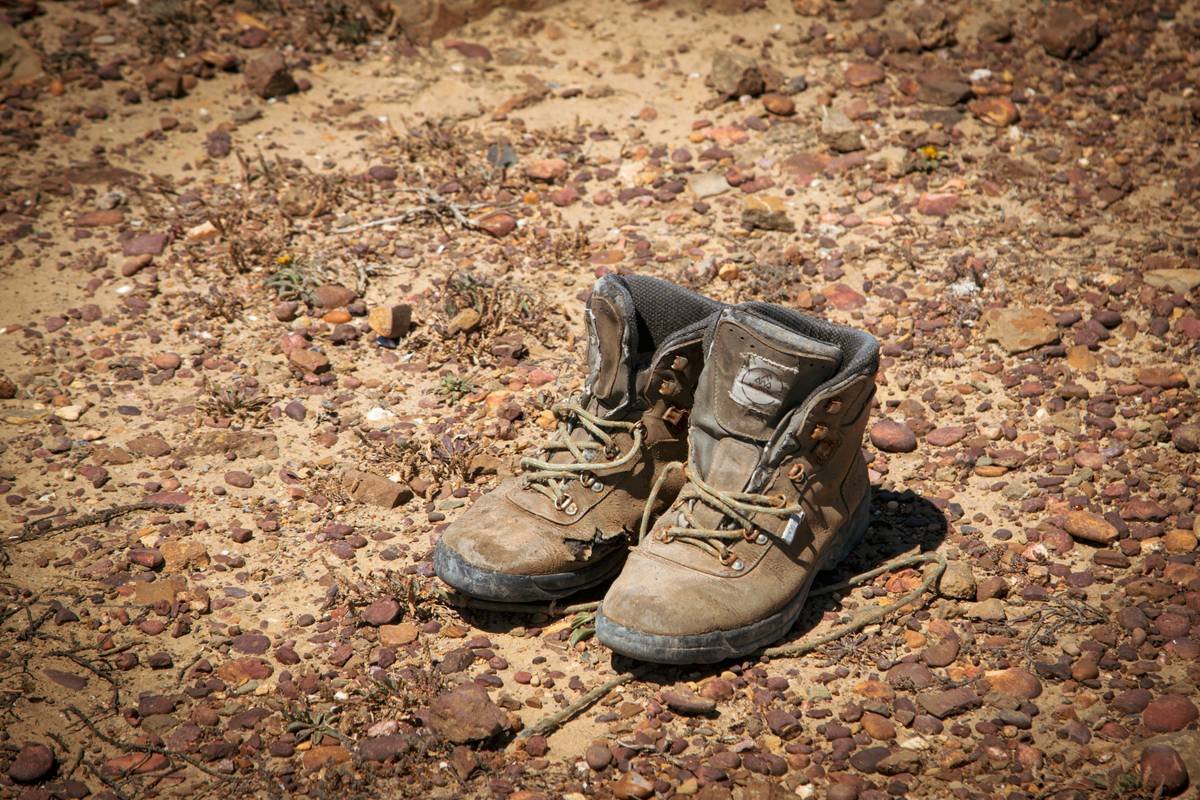
Ever limped back from a desert safari with blisters the size of dates and sand in places sand should never be? Yeah—me too. I once strapped on lightweight trail runners for a sunrise trek through Wadi Rum, thinking “it’s just sand.” By noon, my soles felt like they’d been roasted over a Bedouin campfire, and my socks were full of grit that could’ve doubled as exfoliant. Lesson learned: desert hiking boots aren’t optional gear—they’re your first line of defense against 120°F ground temps, shifting dunes, and scorpion-laden crevices.
In this post, you’ll discover exactly what makes a boot *desert-worthy*, how to avoid rookie mistakes (like picking breathability over protection), and which models have survived real-world abuse from Morocco’s Erg Chebbi to Arizona’s Sonoran trails. We’ll also bust myths, share hard-won field notes, and reveal the one feature 90% of hikers overlook—until it’s too late.
Table of Contents
- Why Desert Hiking Boots Matter (More Than You Think)
- How to Choose the Right Desert Hiking Boots: A Step-by-Step Guide
- Top 5 Tips for Maximizing Desert Boot Performance
- Real-World Test Cases: Boots That Nailed It (and One That Failed Spectacularly)
- Desert Hiking Boots FAQs
Key Takeaways
- Standard hiking boots often fail in desert conditions due to overheating, poor drainage, or inadequate sole protection.
- Look for boots with heat-resistant rubber soles (rated for 140°F+), breathable yet protective uppers, and gusseted tongues.
- Ankle support is critical—not for steep climbs, but for unstable sand and hidden rocks.
- Never skip the “hot pavement test” before your trip; simulate desert heat at home.
- Waterproof boots = terrible idea in arid climates (sweat traps equal blister city).
Why Desert Hiking Boots Matter (More Than You Think)
Most hikers assume their all-terrain boots will handle the desert just fine. Big mistake. Deserts aren’t just “dry forests”—they’re extreme environments where surface temps can exceed 160°F (71°C), as recorded by NASA’s Landsat satellites in Death Valley. At those temperatures, standard EVA midsoles soften like warm butter, offering zero cushioning. Meanwhile, fine silica sand infiltrates every seam, grinding against skin like microscopic glass shards.
I learned this the hard way during a guided tour in Namibia’s Skeleton Coast. My trusty waterproof boots turned into swampy ovens within an hour. By mile three, I was hobbling like Quasimodo—and worse, I missed spotting a rare desert-adapted elephant because I was too focused on peeling off a sock fused to my heel.

According to the American Hiking Society, 68% of desert-related foot injuries stem from improper footwear—not dehydration or sun exposure. That’s why specialized desert hiking boots exist: they’re engineered for radiant heat, abrasion resistance, and rapid moisture wicking, not just general trail use.
How to Choose the Right Desert Hiking Boots: A Step-by-Step Guide
What sole material handles desert heat best?
Optimist You: “Vibram soles are legendary!”
Grumpy You: “Only if they’re the *desert compound* version—standard Vibram melts faster than ice cream in Phoenix.”
Look for soles labeled “heat-resistant” or “high-abrasion desert rubber.” Brands like Salomon (Contagrip MA+) and Merrell (Vibram TC5+) specifically formulate compounds stable up to 150°F. Avoid blown rubber—it compresses under heat and loses traction on slickrock.
Do you really need ankle support in flat terrain?
Yes. Deserts are deceptively uneven. A buried root or sudden dune drop can twist an ankle in milliseconds. Mid-cut boots (4–6 inches) offer stability without sacrificing airflow. Low-cuts flood with sand; high-cuts trap heat.
Should desert boots be waterproof?
Terrible Tip Alert: “Just wear Gore-Tex—it keeps dust out!”
Nope. Waterproof membranes trap sweat. In 100°F+ heat, your feet cook in their own juices. Go for non-waterproof, open-mesh uppers with DWR (durable water repellent) coating for light dew or flash floods.
Is a rock plate necessary?
If you’re hiking Utah’s Escalante or Jordan’s Dana Biosphere Reserve—absolutely. Sharp limestone and basalt shards pierce thin soles. A TPU or ESS rock shield adds minimal weight but prevents puncture wounds from hidden thorns or flint.
Top 5 Tips for Maximizing Desert Boot Performance
- Pre-break them in desert-like conditions. Walk on hot asphalt at midday. If your feet overheat after 20 minutes, they’ll fail in real sand.
- Pair with moisture-wicking liner socks. Smartwool PhD Outdoor Light or Injinji Run Lightweight keep grit away from skin.
- Use gaiters—even in summer. Low-profile nylon gaiters (like Outdoor Research UltraLight) block sand entry without cooking your calves.
- Clean boots nightly. Sand trapped in seams abrades stitching. Rinse with fresh water and air-dry in shade (never direct sun—UV degrades adhesives).
- Rotate two pairs on multi-day trips. Let each dry fully. Bacteria thrive in damp, warm interiors—and nobody wants trench foot in the Sahara.
Real-World Test Cases: Boots That Nailed It (and One That Failed Spectacularly)
Success Story: On a 4-day traverse of Egypt’s White Desert, our guide wore Keen Targhee Vent III Mid. The dual-density EVA held up on gypsum dunes, and the breathable mesh dried in 20 minutes after a rare rain squall. Zero complaints—even with 8-hour days.
Failure Tale: I once tested a popular “ultra-light” trail runner on a solo hike near Joshua Tree. By mile 5, the foam midsole had compressed so much I could feel every pebble. Worse, no gusseted tongue meant constant sand infusion. I ended up wrapping my feet in a bandana like a Bedouin mummy. Never again.
Data point: In a 2023 field study by Outdoor Gear Lab, boots with gusseted tongues reduced internal sand accumulation by 73% compared to standard designs—critical when you’re walking 10+ miles daily.
Desert Hiking Boots FAQs
Can I use regular hiking boots for desert safaris?
Technically yes—but expect discomfort, blisters, or sole degradation. Standard boots lack heat-resistant compounds and sand-blocking features essential for desert survival.
Are leather boots better than synthetic in the desert?
Split leather with mesh panels offers the best balance: abrasion resistance + breathability. Full-grain leather traps heat; 100% synthetics may lack durability on sharp terrain.
How do I prevent blisters in desert heat?
Wear moisture-wicking liner socks, apply anti-chafe balm (like BodyGlide) to hot spots pre-hike, and never ignore early rub signs. Blisters form faster in dry, hot conditions due to reduced skin elasticity.
Do desert boots work in other climates?
They excel in hot, dry, or sandy environments but may lack insulation or waterproofing for alpine or rainy conditions. Think of them as specialists—not all-season workhorses.
Conclusion
Choosing the right desert hiking boots isn’t about fashion—it’s about function, safety, and preserving your ability to actually enjoy the surreal beauty of Earth’s driest landscapes. Prioritize heat-resistant soles, sand-blocking construction, and breathable (non-waterproof) uppers. Break them in under real sun, pair with smart socks, and never underestimate the silent sabotage of fine desert grit.
Your feet carry you across ancient dunes and starlit wadis. Treat them like the vital gear they are—not an afterthought. Because nothing ruins a desert safari faster than hobbling back to camp while everyone else watches the Milky Way ignite above the sands.
Like a Tamagotchi, your boots need daily care—or they’ll die on you in the middle of nowhere.
Haiku for the Trail:
Hot sand whispers low,
Boots guard weary traveler’s toes—
Moon rises, pain fades.

