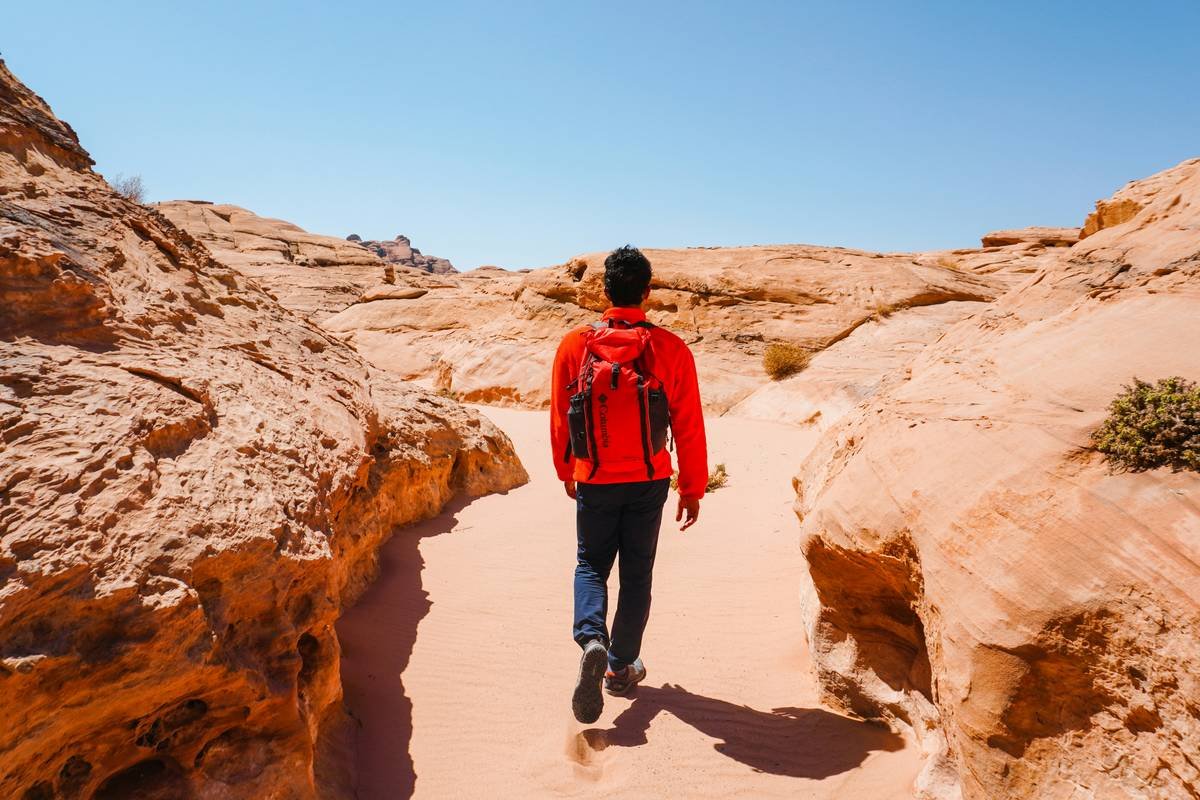
Heatstroke. Blistered feet. Sand in places sand should never be. These aren’t just annoyances—they’re mission-ending disasters on a desert trek. And the root cause? Wearing “outdoor” clothing that looks right but performs catastrophically wrong in arid, sun-blasted terrain. The fix isn’t more gear. It’s smarter desert hiking attire—engineered for survival, not Instagram.
Why Your “Breathable” Gear Fails in the Dunes
That moisture-wicking shirt you swear by? In 110°F dry heat, it turns into a radiator—pulling sweat away so fast your skin dries before evaporative cooling kicks in. Result: core temperature spikes silently. Lightweight hiking pants? Perfect for forest trails. In open desert, they offer zero UV protection and trap abrasive sand like Velcro.
Standard outdoor brands design for humidity—not relentless solar radiation and wind-driven grit. And cotton? Forget it. Once soaked (even with sweat), it stays wet, saps body heat at night, and chafes like sandpaper. Desert hiking attire must solve three problems at once: reflect radiant heat, shed airborne sand, and regulate temperature without relying on sweat evaporation.
Choosing the Right Desert Hiking Attire: A Step-by-Step Guide
Layer Zero: Fabric Physics Over Fashion
Forget “breathability.” Prioritize loose-weave, light-colored natural fibers—like linen or tightly woven cotton blends with UPF 50+. Counterintuitive? Yes. But these fabrics create micro-air pockets that deflect infrared radiation while allowing convective airflow. Synthetics melt under prolonged UV exposure and retain static charge—making every grain of sand cling to you.
Head & Neck Defense: Beyond the Baseball Cap
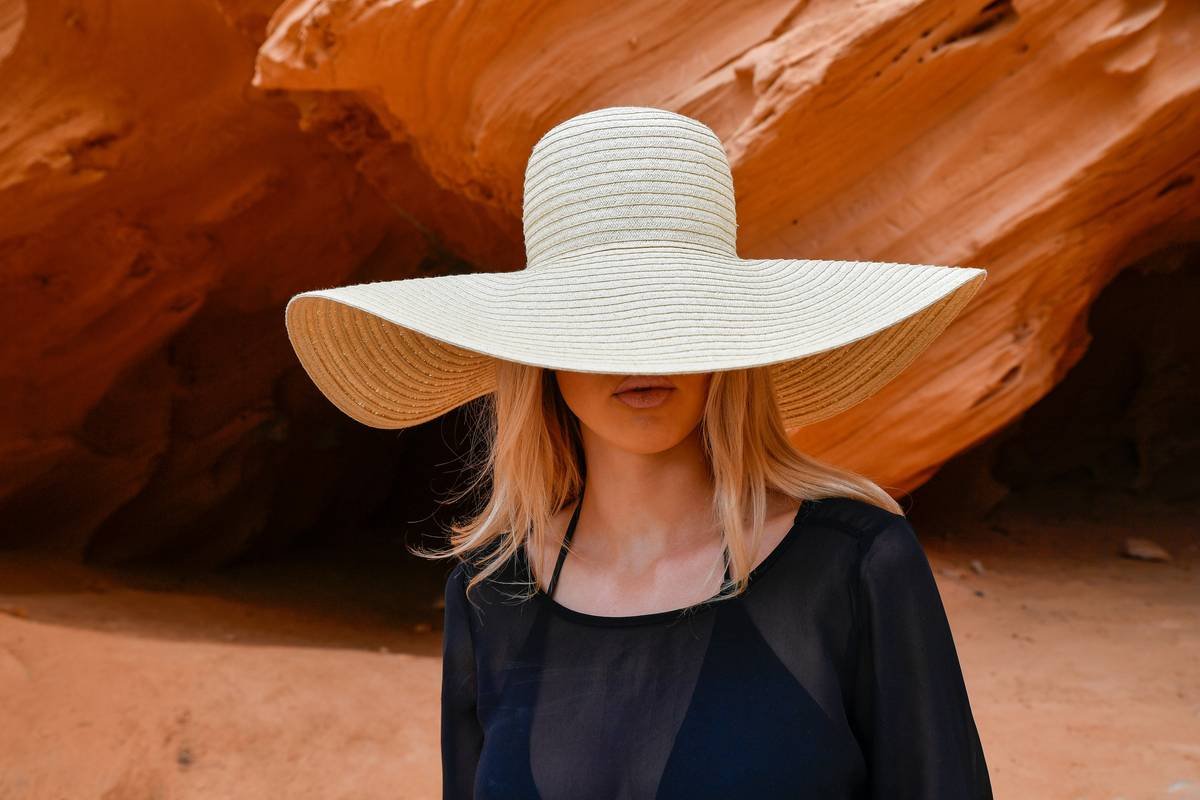
A wide-brimmed hat (minimum 4-inch brim) is non-negotiable. Pair it with a neck gaiter made of cooling mesh, not polyester fleece. Pro tip: dampen it lightly with water—it’ll evaporate slowly, creating a personal microclimate without soaking your core layers.
Footwear That Doesn’t Invite Disaster
Boots are overkill. Sandals lack support. The sweet spot? Low-cut, quick-drain trail runners with gaiters. Grit enters through the ankle collar—gaiters block 90% of it. Choose shoes with drainage ports; trapped sand becomes an abrasive paste that shreds socks and skin.
| Attire Component | Amateur Choice | Expert-Backed Alternative | Why It Matters |
|---|---|---|---|
| Top Layer | Black moisture-wicking tee | Loose white linen overshirt | Reflects 85% of solar radiation vs. absorbing 95% |
| Bottom Layer | Tight nylon hiking pants | Lightweight cotton drawstring trousers | Allows airflow, repels static-charged sand |
| Foot Protection | Ankle boots | Trail runners + sand gaiters | Prevents blisters from shifting sand, aids thermoregulation |
| Sun Shield | Baseball cap | Wide-brimmed vented hat + neck veil | Covers ears, neck, and shoulders—common sunburn zones |
The Industry Secret: Bedouin Tech Isn’t “Traditional”—It’s Tactical
Here’s what outfitters won’t tell you: modern “desert performance” wear copies Bedouin designs—but strips out the genius. Authentic thawb robes aren’t loose for modesty. They’re aerodynamic heat shields. Wind flows under the hem, creating upward convection that pulls hot air off the skin—like a passive AC system. And the fabric? Often hand-loomed with irregular weave density: tighter at the shoulders (max sun exposure), looser below for airflow.
But—and this is critical—the real secret is layering rhythm. Locals add or remove layers based on solar angle, not temperature. At dawn, they wear three thin layers. By noon? Just one. Your gear should enable that flexibility. Pack modular pieces, not monolithic “systems.”
FAQ
Can I wear jeans for desert hiking?
No. Denim absorbs moisture, offers zero UV protection, and becomes heavy and abrasive when sandy. Opt for lightweight, light-colored trousers instead.
Are sunglasses necessary for desert hikes?
Absolutely. Intense ground-reflected UV causes snow blindness—even in sand. Wear wraparound polarized lenses with 100% UVA/UVB blocking.
Should desert hiking attire be tight or loose?
Always loose. Tight clothing traps heat against the skin and restricts airflow. Loose layers create ventilation channels that dissipate heat naturally.

