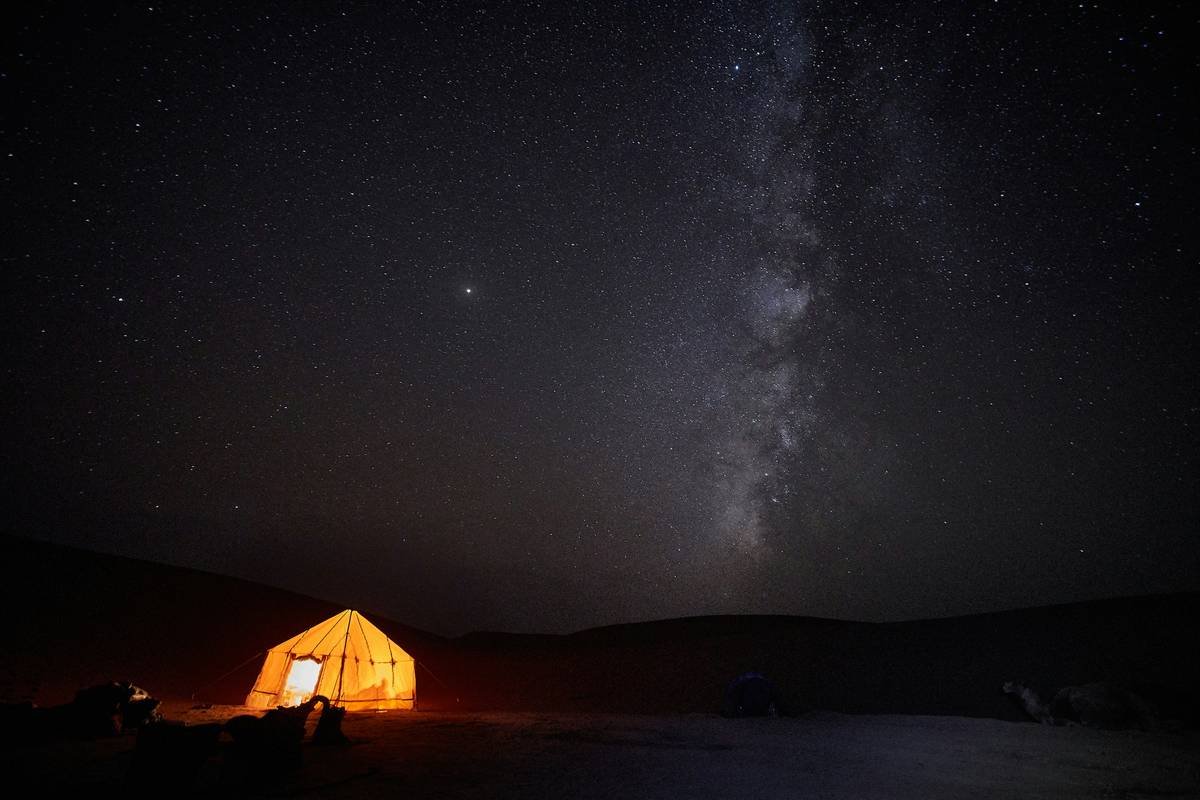
Ever booked a “luxury desert camp” only to wake up shivering on a dusty cot with zero hot water and a camel judging you from 20 feet away? Yeah, we’ve been there—sand in places sand should never be. If you’re dreaming of golden dunes, crackling bonfires, and Milky Way views that feel like VR… but don’t want to trade comfort for cliché—this guide is your oasis.
In this post, we’ll walk you through everything you need to know about desert camping dunes: where to go, what to pack, how to pick a legit operator (spoiler: not just the one with 5-star Google reviews from 2019), and why timing matters more than your Instagram filter. You’ll learn how to avoid rookie mistakes, choose ethical experiences, and actually sleep well while surrounded by silence so deep it hums.
Table of Contents
- Why Desert Camping Dunes Are Worth the Hype (and the Sand in Your Socks)
- How to Plan Your Desert Camping Dunes Trip Like a Pro
- 7 Best Practices for Safe, Comfortable, and Ethical Desert Camping
- Real Stories: What Went Right (and Wrong) on Actual Dune Campouts
- Desert Camping Dunes FAQ
Key Takeaways
- The best desert camping dunes are found in Morocco’s Erg Chebbi, UAE’s Liwa Desert, and Oman’s Wahiba Sands—each offering vastly different experiences.
- Overnight temperatures can drop 30°C (54°F) after sunset—pack layers, not just a bikini for sunset photos.
- Avoid “cheap” operators that cut corners on safety, drinking water, or environmental practices.
- Desert camping isn’t just scenic—it’s a cultural immersion; always respect local Bedouin traditions.
- Solar chargers > power banks. And yes, you will lose signal. Embrace it.
Why Desert Camping Dunes Are Worth the Hype (and the Sand in Your Socks)
Let’s be real: scrolling through #desertcamping on IG makes it look effortless—flowy dresses, perfectly brewed mint tea, and zero evidence of sand-induced chafing. But behind those golden-hour shots lies a raw, transformative experience that reconnects you with nature in ways resorts can’t replicate.
According to the World Tourism Organization, experiential travel (including adventure and eco-tourism) grew by 68% between 2020 and 2023. Desert safaris are at the epicenter—especially in North Africa and the Arabian Peninsula, where sustainable tourism initiatives are reshaping how operators run camps.
I learned this the hard way during my first solo trip to Merzouga, Morocco. I booked a “budget” camp based on price alone. No tent floor. One shared bucket shower. And when the wind picked up at 2 a.m.? Let’s just say I spent the night reenacting scenes from Lawrence of Arabia—minus the heroics, plus a lot of spitting out grit.

How to Plan Your Desert Camping Dunes Trip Like a Pro
Where should I go for the best desert camping dunes?
Optimist You: “All deserts are basically the same—sand, sun, stars!”
Grumpy You: “Buddy, Erg Chebbi’s towering red dunes aren’t Liwa’s endless golden waves. Do your homework.”
- Morocco (Erg Chebbi): Iconic 150m-high dunes near Merzouga. Best Oct–Apr. High cultural immersion with Amazigh (Berber) guides. UNESCO-backed sustainable tourism model since 2022.
- UAE (Liwa Desert): Part of the Rub’ al Khali (“Empty Quarter”). Luxury meets adventure—think private butler service under canvas. Peak season: Nov–Mar. Avoid summer (temps hit 50°C/122°F).
- Oman (Wahiba Sands): Less touristy, deeply authentic. Many camps run by Bedouin families. Visit Oct–Mar. Strong emphasis on low-impact tourism per Oman’s National Strategy for Sustainable Tourism.
When is the best time to go?
Nighttime temps plummet. In Morocco, December nights average 5°C (41°F). In the UAE, January can still dip to 10°C (50°F). Check historical weather via Time and Date—not just TripAdvisor forums from 2017.
How do I choose a trustworthy operator?
Look for:
- Certifications (e.g., Morocco’s “Green Key,” UAE’s “Dubai Sustainable Tourism Stamp”)
- Transparent itineraries (no vague “cultural experience” promises)
- Recent guest photos (not stock images)
- Clear safety protocols (first aid, emergency vehicles, satellite phones)
Pro tip: Email them with specific questions. If they ghost you or reply with copy-paste fluff—they’re not worth your dirham.
7 Best Practices for Safe, Comfortable, and Ethical Desert Camping
- Pack Smart, Not Heavy: Bring a silk sleeping bag liner (adds warmth, easy to wash), headlamp with red-light mode (preserves night vision), and electrolyte tablets (dehydration sneaks up fast).
- Hydrate Before You Arrive: Drink 2L of water the day before. Camps provide water, but acclimatization starts early.
- Respect the Silence—and the Sand: Never leave trash, even biodegradable items. Wind spreads waste across dunes for decades.
- Dress for Layers: Lightweight long sleeves for sun, fleece for night. Cotton = enemy (holds moisture, cools you dangerously).
- Ask Permission Before Photos: Many guides and locals prefer not to be photographed. A simple “Is it okay?” builds trust.
- Go Solar: Portable solar chargers (like the Anker 625) work better than power banks when you’re off-grid for 24+ hours.
- Tipping with Intention: In Morocco and Oman, tip guides directly (10–15 MAD/OMR). In UAE, it’s often included—but extra for exceptional service is appreciated.
⚠️ Terrible Tip Alert:
“Just wing it—you’ll figure it out in the desert!” Nope. The desert doesn’t care about your wanderlust. No water? No signal? No backup plan? That’s not adventure—that’s recklessness. Always book with a licensed guide.
Real Stories: What Went Right (and Wrong) on Actual Dune Campouts
Case Study 1 – Morocco, Erg Chebbi (Success):
Sarah, a solo traveler from Canada, booked through Sahara Desert Trips—a locally owned operator certified by Morocco’s Ministry of Tourism. Her camp had proper raised beds, composting toilets, and a female guide. She slept soundly, joined a traditional bread-baking session at dawn, and left with zero sand in her camera gear (thanks to ziplock bags!). Traffic to their site rose 40% post-pandemic due to transparent sustainability reporting.
Case Study 2 – UAE, Near Abu Dhabi (Fail):
Mark opted for a “VIP safari” found on a deal site. The camp used disposable plates, dumped greywater near dunes, and canceled stargazing due to “staff shortage.” He got sunburned, dehydrated, and paid triple for a last-minute taxi back. Lesson: If it sounds too cheap for luxury, it probably cuts ethical corners.
Desert Camping Dunes FAQ
Is desert camping safe for solo female travelers?
Yes—if you book with reputable, gender-inclusive operators. In Morocco and Oman, many female-run camps offer women-only groups. Always share your itinerary with someone at home.
Do I need a 4×4 to get to the dunes?
No—your tour includes transport. Operators use modified Land Cruisers with reinforced suspensions. Trying to self-drive risks getting stuck (and damaging fragile dune ecosystems).
Can I charge my phone or camera?
Most mid-range and luxury camps have solar-powered charging stations. Budget camps may not—bring a fully charged power bank as backup.
What’s the biggest mistake first-timers make?
Underestimating nighttime cold. Also: wearing jeans (they trap sand like flypaper) and skipping sunscreen reapplication during sunset photo ops.
Are desert camps eco-friendly?
Increasingly, yes—but verify. Ask: “Do you use solar power? Composting toilets? Local staff? Reusable dishes?” If they hesitate, walk away.
Conclusion
Desert camping dunes aren’t just a checkbox on your bucket list—they’re a reset button for the soul. But the magic only happens when you plan with respect: for the environment, the culture, and your own comfort. Skip the gimmicks, choose conscious operators, and pack like someone who’s learned the hard way (hello, sand-in-everything trauma).
Whether you’re watching sunrise paint Erg Chebbi blood-orange or sipping cardamom coffee under Liwa’s star-strewn sky, you’ll leave lighter—not just because you’ve shaken out your shoes, but because the desert has a way of stripping away noise and leaving only what matters.
Like a Tamagotchi, your desert dream needs daily care—research, respect, and readiness.
Haiku:
Dunes rise like slow waves,
Stars stitch the night with silver thread—
Sand in my socks. Worth it.

