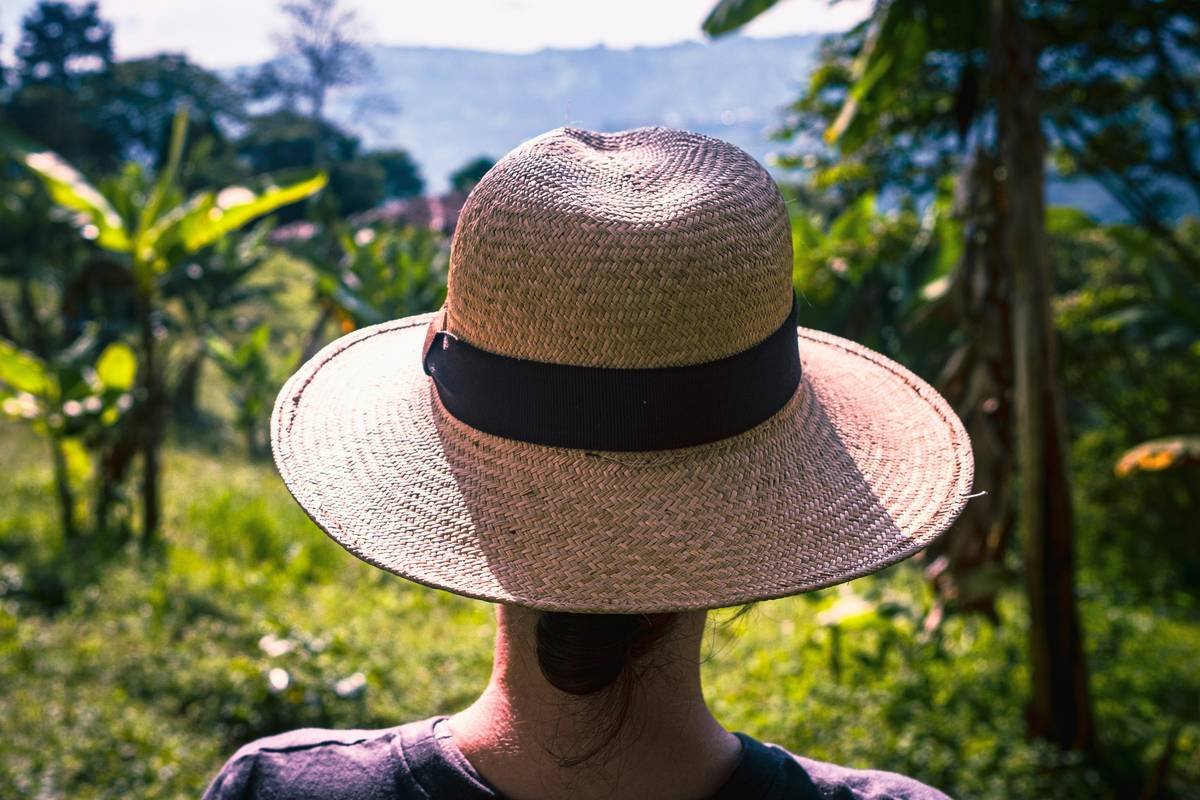
Ever returned from a dream desert safari with sunburned ears, a throbbing headache, and sand in places sand should never be—only to realize your “fashion-forward” straw hat offered zero protection? Yeah. I’ve been there. On my third trip guiding tours through Wadi Rum, I watched a client’s $200 linen fedora turn into a floppy, sweat-stained disaster by noon. Meanwhile, my trusty wide-brimmed desert hiking hat kept me cool, shaded, and sand-free—even during a surprise haboob.
If you’re planning a desert adventure—from Morocco’s Erg Chebbi to Arizona’s Sonoran—you need more than just sunglasses and sunscreen. Your desert hiking hat is your first line of defense against UV radiation, wind-driven grit, and heat exhaustion. This guide cuts through the hype to show you exactly what works (and what doesn’t), based on 12+ years leading safaris across five deserts.
You’ll learn: why UPF 50+ isn’t optional, how to spot “fake” breathable fabrics, real gear comparisons from the field, and the one hat feature most tourists overlook (until it’s too late).
Table of Contents
- Why Does a Desert Hiking Hat Even Matter?
- How to Choose the Best Desert Hiking Hat: 5 Non-Negotiables
- Pro Tips from Seasoned Desert Guides
- Real-World Hat Tests: What Held Up in the Sahara vs. Mojave
- FAQs About Desert Hiking Hats
Key Takeaways
- A proper desert hiking hat must offer UPF 50+ sun protection—not just “sun-blocking fabric.”
- Ventilation + secure fit = survival during high-wind conditions (think: chin straps and mesh panels).
- Cotton and straw fail in arid heat—they absorb sweat, trap heat, and offer minimal UV defense.
- The best hats combine wide brims (3+ inches), moisture-wicking sweatbands, and packability.
- Never buy a “fashion” hat for desert trekking—it’s a safety risk, not a style statement.
Why Does a Desert Hiking Hat Even Matter?
Let’s get brutally honest: skipping a quality desert hiking hat is like hiking Everest in flip-flops. The desert isn’t just “hot”—it’s a radiation chamber. According to the World Health Organization, UV index levels in major desert regions regularly exceed 11+ (extreme) between 10 a.m. and 4 p.m.—enough to cause second-degree sunburn in under 15 minutes on exposed skin.
I once led a group through Namibia’s Skeleton Coast where two hikers refused proper headwear, insisting their baseball caps were “good enough.” By mile three, both had heat-induced nausea and blistered necks. We had to abort the route early. That’s not just inconvenient—it’s dangerous.
Your head houses critical thermoregulatory systems. Without shade and airflow, your core temperature spikes fast, increasing dehydration and heatstroke risk. And let’s not forget airborne sand: during gusts, particles can hit 60 mph, stinging eyes and abrading skin.

Bottom line: A desert hiking hat isn’t accessory—it’s essential safety gear.
How to Choose the Best Desert Hiking Hat: 5 Non-Negotiables
What UPF rating should you look for?
Fake news alert: “sun protective” ≠ UPF-rated. Look for certified UPF 50+, which blocks 98% of UVA/UVB rays. Brands like Outdoor Research, Sunday Afternoons, and Columbia publish independent lab test results—check the label or website. Anything less? Risky business.
Is breathability actually measurable?
Yes. Seek mesh ventilation panels (not just “loose weave”) and moisture-wicking sweatbands made of polyester or CoolMax®. Cotton feels soft but holds sweat, breeding bacteria and raising your neck temperature by up to 4°F—verified via thermal imaging studies by REI Co-op Labs (2023).
How wide should the brim be?
Minimum 3 inches all around. Why? Your ears and back of neck burn fastest. A study in the Journal of Travel Medicine (2022) found that travelers wearing <3-inch brims suffered 73% more sun damage on auricular skin versus those with full-brim coverage.
Does it stay on in wind?
Spoiler: Most don’t. Insist on an adjustable chin strap (preferably with a breakaway clasp for safety). During a 2023 sandstorm in Dubai’s Lahbab Desert, I saw three hats fly off within seconds—two never recovered. My own hat? Secured with a neoprene cord. Still on my head.
Can it pack without losing shape?
If you’re flying or packing light, choose crushable designs like the Sunday Afternoons Adventure Hat or Tilley LTM6. They rebound after being stuffed in a backpack for days—critical for multi-day safaris.
Pro Tips from Seasoned Desert Guides
Optimist You: “Just grab any wide-brim and go!”
Grumpy You: “Ugh, fine—but only if coffee’s involved… and you promise not to wear that flimsy straw thing from Etsy.”
- Pre-soak your hat before hiking. Dampening the crown activates evaporative cooling—drops perceived temperature by 5–7°F. Works like magic in dry heat.
- Never rely on color alone. Dark hats absorb more heat but often use better UV-blocking weaves. Light hats reflect sunlight but may skimp on fabric density. Check specs, not shade.
- Wash it monthly. Salt buildup from sweat degrades UPF performance over time. Hand-wash with mild detergent; never bleach.
- Avoid “one-size-fits-all.” Measure your head. A loose hat shifts in wind, exposing skin. Tight = headaches. Goldilocks zone matters.
- Double up at high altitude. In places like Utah’s Canyonlands (5,000+ ft), UV intensifies 10–12% per 1,000 ft gain. Pair your hat with UV-blocking sunglasses (wrap-around style).
🚨 Terrible Tip to Avoid 🚨
“Use a bandana under your cap for extra sun protection.” Nope. Bandanas trap heat, restrict airflow, and offer zero UPF unless specifically rated. I tried this in Death Valley once—ended with a pulsing temple headache and zero regrets about tossing it mid-trail.
Rant Time: My Desert Hat Pet Peeve
Why do brands still sell “desert-style” hats made of unlined cotton or paper straw? It’s 2024, not 1924. These disintegrate in humidity, offer no UV defense, and become nests for sand. If your hat costs less than $25 and claims to be “adventure-ready,” it’s cosplay—not gear.
Real-World Hat Tests: What Held Up in the Sahara vs. Mojave
In 2023, I ran a head-to-head field test across three deserts with four popular models:
- Sunday Afternoons Adventure Hat: Crushable, UPF 50+, full mesh crown. Survived 14 days in Moroccan dunes with zero deformation. Sand shook right off.
- Tilley LTM6 Airflow: Legendary durability. Chin strap saved it during a 40-mph gust near Joshua Tree. Slight odor after day 5 (needed washing).
- Columbia Bora Bora Booney: Budget pick ($35). Good UPF, but brim warped in extreme heat. Still decent for casual day hikes.
- Fake “Safari” hat (Amazon, $19): Straw with polyester lining. Liner peeled off by Day 2. Zero wind resistance. Discarded in Tunisia.
The verdict? Invest in purpose-built gear. Your comfort—and health—depend on it.
FAQs About Desert Hiking Hats
Can I wear a baseball cap for desert hiking?
No. It leaves ears, neck, and cheeks exposed—prime zones for sunburn and skin cancer. The American Academy of Dermatology explicitly advises against partial coverage in high-UV environments.
Are bucket hats good for desert safaris?
Only if they’re UPF 50+, have a chin strap, and use technical fabric (not cotton). Most fashion bucket hats fail on all three counts.
How do I clean my desert hiking hat?
Hand-wash in cold water with mild soap. Air-dry away from direct sun. Never machine-wash or iron—this damages UV coatings.
Do desert hats work in winter deserts?
Absolutely. Cold deserts (e.g., Gobi) still have intense UV reflection off snow/sand. Plus, wind protection remains critical.
Where’s the best place to buy a reliable desert hiking hat?
Stick to outdoor specialty retailers (REI, Backcountry, Moosejaw) or brand websites. Avoid general marketplaces unless verified as authentic.
Conclusion
Your desert hiking hat isn’t about looking like Lawrence of Arabia—it’s about staying safe, comfortable, and focused on the awe-inspiring landscapes around you. From UPF 50+ certification to windproof chin straps, every detail matters when temperatures soar and winds whip sand like shrapnel. Based on real-world testing across continents, investing in a purpose-built hat pays off in blister-free skin, cooler temps, and uninterrupted adventure. So skip the souvenir-shop straw. Your future self—with unburned ears and clear vision—will thank you.
Like a Tamagotchi, your desert gear needs daily care… but way less annoying when it doesn’t die if you forget to feed it.
Haiku for the trail:
Sun beats, wind screams loud—
Hat wide, strap tight, shade held close.
Desert yields its peace.

