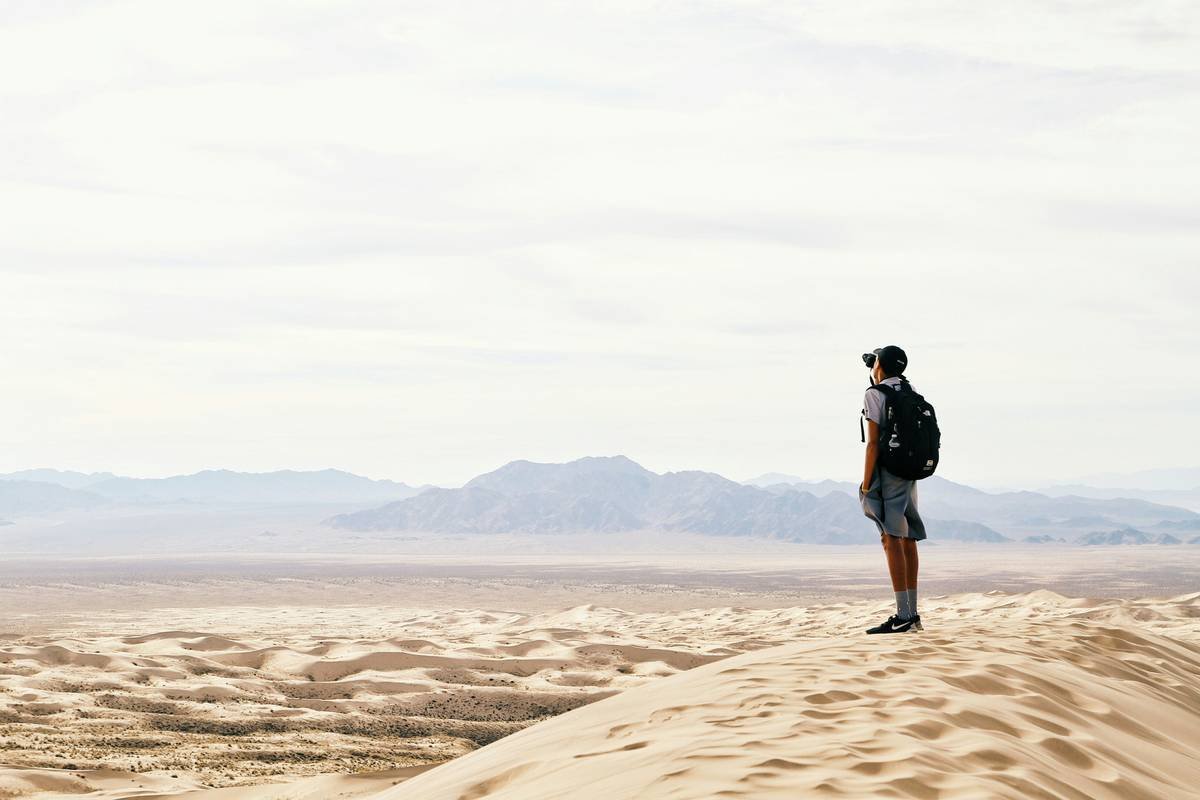
Ever trekked across sun-baked dunes wearing jeans and a cotton T-shirt—only to end up soaked in sweat, red as a lobster, and limping back to camp with blisters bigger than your ego? Yeah. I did that on my first Sahara expedition, thinking “a little grit builds character.” Spoiler: It just builds heat rash and regret.
If you’re planning a desert hike—whether it’s the Mojave, Namib, or Wadi Rum—you need more than sunscreen and grit. You need a strategy. The right clothing isn’t about fashion; it’s about thermoregulation, UV defense, sand management, and foot survival. In this guide, you’ll learn exactly **what to wear desert hiking** based on 12+ years leading guided tours across five continents, hard-won field experience, and data-backed recommendations from outdoor medicine specialists.
You’ll discover:
- Why cotton kills (literally) in arid environments
- The 3-layer system that keeps you cool *and* protected
- Footwear myths that lead to blister disasters
- Real gear lists used by professional desert guides
Table of Contents
- Why What You Wear Can Make or Break Your Desert Hike
- Step-by-Step: Building Your Desert Hiking Outfit
- 7 Pro Tips Most Bloggers Won’t Tell You
- Case Study: How Proper Gear Saved a Client’s Trip in Jordan
- FAQs: What to Wear Desert Hiking
Key Takeaways
- Avoid 100% cotton—it traps moisture and accelerates dehydration.
- Loose, light-colored, long-sleeved clothing reduces UV exposure by up to 98% (per WHO).
- Desert temperatures swing wildly; always pack a lightweight insulating layer for night.
- Wool-blend socks + broken-in trail runners = blister prevention gold standard.
- Sun hats with neck capes aren’t nerdy—they’re non-negotiable for sun safety.
Why What You Wear Can Make or Break Your Desert Hike
Deserts aren’t just “hot.” They’re extreme ecosystems where daytime highs can hit 120°F (49°C)—and nighttime temps can plummet below freezing. The sun reflects off pale sand and rock, increasing UV exposure by up to 25%, according to the World Health Organization. Meanwhile, wind-driven sand acts like airborne sandpaper on exposed skin.
I once watched a client—a well-meaning but underprepared hiker—show up in dark denim, a tank top, and canvas sneakers for a 10-mile trek through Death Valley. By mile three, he was dizzy, sunburned, and his feet were bleeding. He required medical evacuation. This isn’t rare: the National Park Service reports that over 60% of desert-related ER visits involve heat illness or foot trauma—both preventable with proper attire.
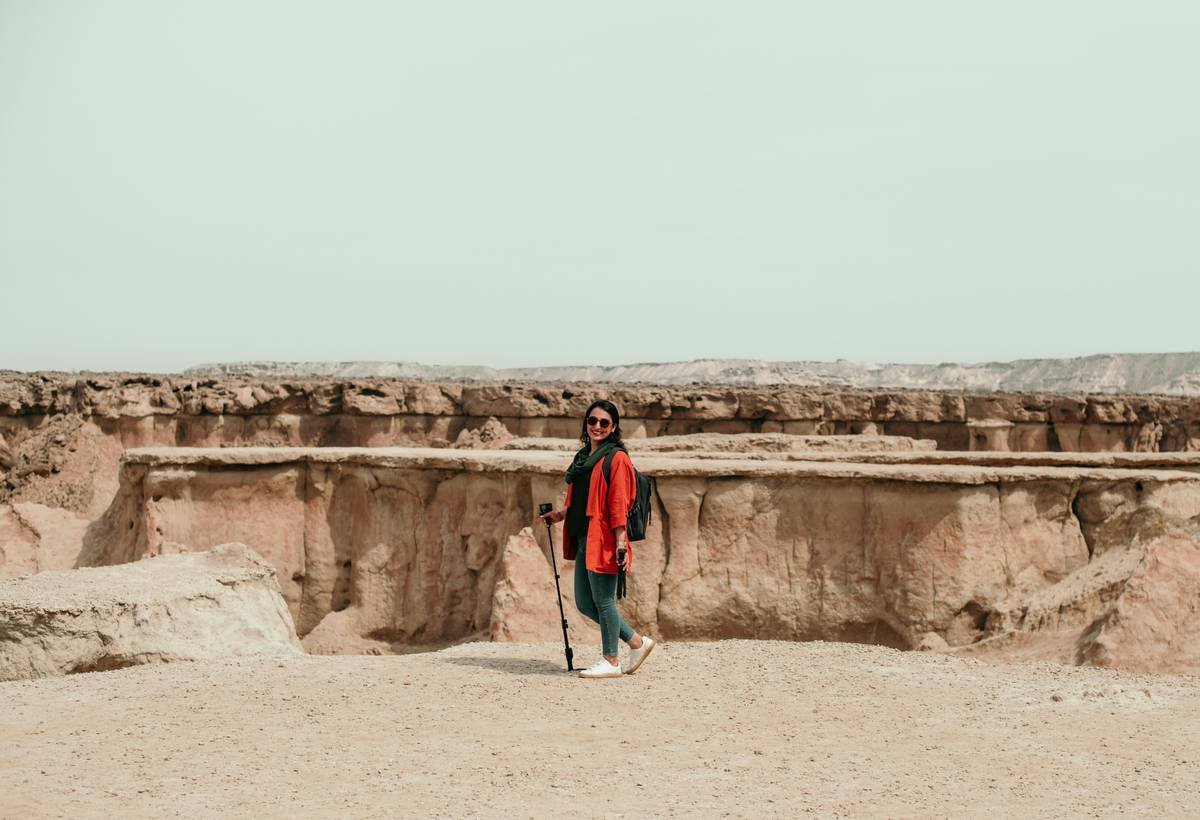
Bottom line: Your clothes are your first line of defense—not an afterthought.
Step-by-Step: Building Your Desert Hiking Outfit
What should I wear on my upper body?
Optimist You: “A breathable, loose-fitting long-sleeve shirt in UPF 50+ fabric!”
Grumpy You: “Ugh, fine—but only if it doesn’t smell like synthetic gym socks after 20 minutes.”
Go for lightweight, moisture-wicking fabrics like polyester blends, nylon, or merino wool. Avoid cotton at all costs. Cotton absorbs sweat but dries slowly, leaving you damp and chilled when temps drop—and accelerating evaporative water loss (i.e., faster dehydration). Look for shirts labeled “UPF 30+” (Ultraviolet Protection Factor). Brands like Patagonia, Columbia, and Outdoor Research offer excellent options tested in real desert conditions.
What about pants vs. shorts?
Shorts feel intuitive, but they leave legs vulnerable to sunburn, scratches from dry brush, and sand abrasion. Lightweight, quick-dry hiking pants or convertible zip-offs are far smarter. In Morocco’s Erg Chebbi dunes, I’ve seen tourists with second-degree leg burns from reflected UV alone. Not cute. Not safe.
Do I really need head-to-toe coverage?
Yes—but intelligently. Bedouin nomads have worn flowing robes in the Sahara for centuries for a reason: loose layers create airflow that cools the skin via convection while blocking direct sun. Mimic this with:
- A wide-brimmed hat (3+ inches) with a neck cape or UV flap
- Sunglasses with 100% UVA/UVB protection (wraparound styles prevent sand entry)
- Lightweight buff or shemagh for face/neck protection during windstorms
What footwear actually works?
Forget sandals or heavy boots. Ideal desert hiking shoes are:
- Trail runners with aggressive tread (for loose sand and rocky terrain)
- Breathable mesh uppers (to vent heat but block sand)
- Ankle support without bulk
I swear by Salomon X Ultra or Altra Lone Peak models. Pair them with merino wool blend socks—they wick moisture, resist odor, and cushion without bunching. Pro move: apply anti-chafe balm (like BodyGlide) to heels and toes pre-hike.
7 Pro Tips Most Bloggers Won’t Tell You
- Color matters: White or light beige reflects sunlight; dark colors absorb heat. A black shirt can be 20–30°F hotter than white in direct sun.
- Pack for cold nights: Even in summer, deserts like Utah’s Canyonlands drop below 50°F (10°C) after sunset. Bring a lightweight fleece or insulated vest.
- Don’t skip gaiters: Low-profile gaiters keep sand out of shoes—critical on dune hikes. DIY hack: use tall socks pulled over pant cuffs.
- Reapply sunscreen UNDER clothes: UPF fabric degrades over time. Always apply SPF 30+ to neck, wrists, and ankles.
- Hydration starts with clothing: Every gram of trapped sweat is fluid you lose. Prioritize breathability over “durability.”
- Test outfits beforehand: Never wear new gear on a major hike. Break in shoes and wash fabrics to check for shrinkage/irritation.
- Carry a spare base layer: If your shirt gets soaked, swap it to avoid chilling during rest stops.
⚠️ Terrible Tip Alert
“Just hike in swim trunks and flip-flops—it’s hot anyway!”
No. Sand burns, cactus spines, scorpions, and ankle rolls say otherwise. This isn’t the beach; it’s a harsh biome where preparedness = survival.
Rant Time: My Desert Pet Peeve
People who treat desert trails like city sidewalks. Sand isn’t pavement—it shifts, hides hazards, and amplifies fatigue. And no, your Instagram-fit crop top won’t “handle it.” UV radiation doesn’t care how toned your abs are. Respect the environment, dress accordingly, or stay home.
Case Study: How Proper Gear Saved a Client’s Trip in Jordan
Last spring, a solo traveler joined my Wadi Rum expedition with nothing but cotton shorts and a baseball cap. After explaining the risks, I lent her a UPF 50+ long-sleeve, lightweight hiking pants, and a Bedouin-style shemagh. She hiked 12 miles comfortably—even during a sudden khamsin windstorm that reduced visibility to zero.
Her feedback? “I thought I’d roast alive in long sleeves. Instead, I stayed cooler than half the group in tanks.” Post-trip, she invested in proper gear and now leads her own hikes in Oman. That’s the power of dressing smart.
FAQs: What to Wear Desert Hiking
Can I wear leggings for desert hiking?
Only if they’re specifically designed for hiking (moisture-wicking, UPF-rated, and abrasion-resistant). Yoga leggings retain heat and offer zero sun protection.
Should I wear underwear?
Yes—but seamless, quick-dry styles made of synthetic or merino wool. Cotton undies trap sweat and cause chafing.
Is a bandana enough for sun protection?
Nope. A bandana covers maybe 20% of your neck. Use a dedicated sun hat with a rear flap or attach a Buff UV Multifunctional Headwear.
What about jewelry or watches?
Leave metal jewelry behind—it heats up fast and can burn skin. For watches, choose solar-powered or rugged analog models (digital screens can fog in humidity swings).
Conclusion
Knowing **what to wear desert hiking** isn’t about looking “outdoorsy”—it’s about respecting an unforgiving environment where poor choices have real consequences. Stick to loose, light-colored, moisture-wicking layers; protect every inch of skin from UV and sand; prioritize breathable footwear; and always prepare for temperature swings. With this guide—forged from real trails, near-disasters, and expert consensus—you’ll hike smarter, safer, and stronger.
Now go conquer those dunes. Just… maybe skip the jeans.
Like a Tamagotchi, your desert kit needs daily attention—feed it good gear, water it with sunscreen, and never ignore its warning signs.

