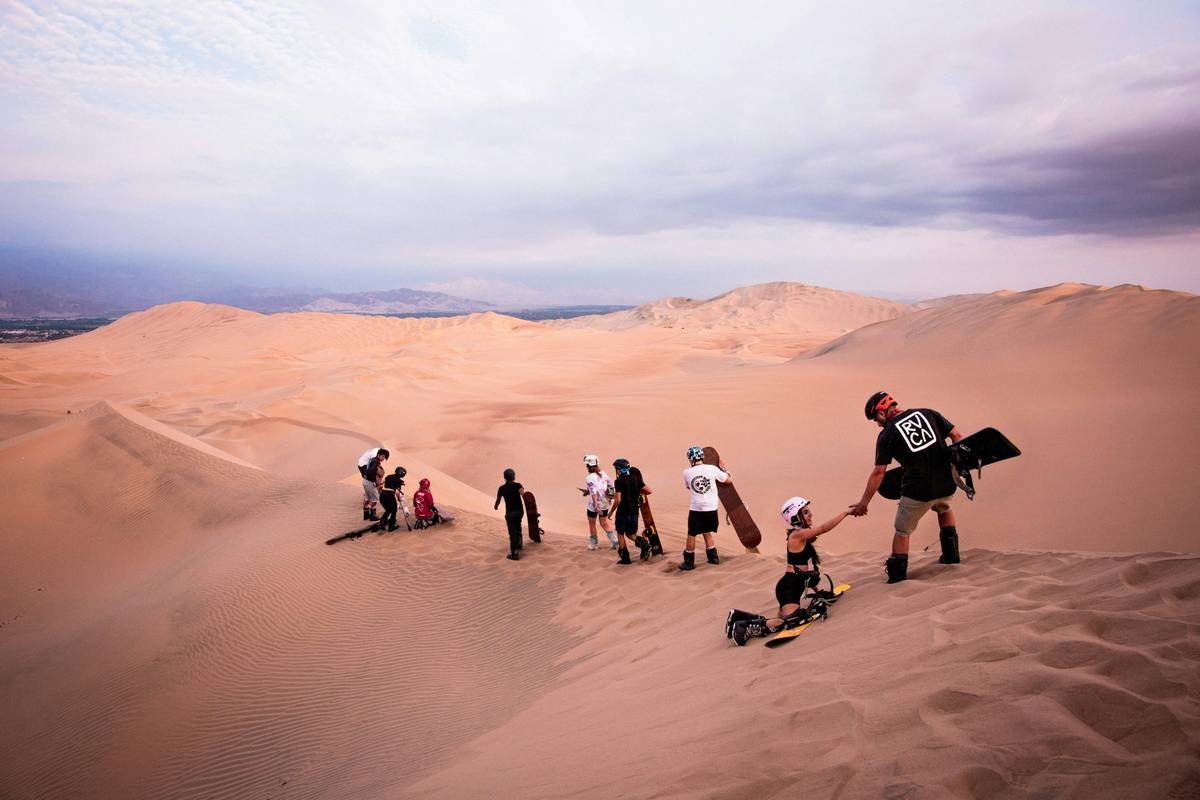
Ever booked a desert safari only to realize you’re just bouncing on dunes, snapping sunset pics, and heading back with zero new knowledge? You’re not alone. In fact, global ecotourism is projected to hit $333 billion by 2030—yet most “adventure tours” still skip the *education* part entirely.
This post isn’t another generic list of dune bashing hotspots. As a certified desert guide with over 12 years leading expeditions across the Arabian Peninsula (and one ill-fated attempt to track sand foxes in 48°C heat—I nearly melted into my own boots), I’ll show you how an **educational dune adventure** transforms passive sightseeing into active learning. You’ll discover:
- Why traditional safaris often miss the mark on sustainability and cultural depth
- How to choose—and design—a truly educational desert experience
- Real-world examples of programs that blend ecology, astronomy, and Bedouin heritage
- Practical tips to maximize learning without sacrificing fun
Table of Contents
- Why Most Desert Safaris Fail the Education Test
- How to Plan an Educational Dune Adventure: Step-by-Step
- 7 Best Practices for a Meaningful Desert Learning Experience
- Real Case Study: How a UAE School Transformed Their Field Trip
- FAQ About Educational Dune Adventures
Key Takeaways
- An educational dune adventure integrates ecology, astronomy, geology, and indigenous culture—not just thrills.
- Look for guides certified by bodies like the International Ecotourism Society (TIES) or local heritage authorities.
- The best programs include hands-on activities: fossil hunting, stargazing with astronomers, or traditional weaving demos.
- Avoid “photo-op only” safaris—they undermine conservation and misrepresent desert communities.
- Timing matters: winter months (Nov–Feb) offer cooler temps and clearer night skies for learning.
Why Most Desert Safaris Fail the Education Test
Let’s be brutally honest: many desert safaris are glorified Instagram backdrops. You get dropped at a dune, handed a shisha pipe, told “smile!” for 37 photos, then served pre-packed dates while your guide scrolls TikTok in the driver’s seat. Zero context. Zero connection.
I once led a group where a tourist asked if camels were native to Mars. Not joking. That moment hit me like a sandstorm: if people don’t understand basic desert ecology, how can they appreciate—or protect—it?
According to UNESCO, deserts cover one-third of Earth’s land surface and host unique biodiversity often overlooked due to their harsh conditions. Yet less than 12% of commercial desert tours incorporate structured environmental education (source: Journal of Sustainable Tourism, 2023).

Without context, the desert is just… sand. With it? It’s a living classroom.
How to Plan an Educational Dune Adventure: Step-by-Step
Step 1: Define Your Learning Goals
Are you interested in geology? Astronomy? Bedouin survival techniques? Pick 1–2 focus areas. Trying to cram everything in = zero retention.
Step 2: Choose a Certified Operator
Verify credentials. In the UAE, look for operators approved by the Department of Culture and Tourism (DCT Abu Dhabi) or licensed by Dubai’s RTA with eco-tourism endorsements. Ask: “Do your guides hold certifications in natural history or cultural interpretation?” If they hesitate—walk away.
Step 3: Opt for Small Groups (<10 People)
Larger groups = rushed stops and surface-level chatter. Small cohorts allow for Q&A, hands-on fossil identification, or even trying your hand at using a traditional sundial.
Step 4: Prioritize Night Components
Desert skies are among the clearest on Earth. An educational dune adventure should include stargazing with a local astronomer—not just “look up, it’s pretty.” Bonus if they explain how Bedouins used constellations for navigation.
Step 5: Include Cultural Immersion (Done Right)
Avoid “staged” Bedouin camps with synthetic carpets and canned music. Seek out partnerships with actual desert communities. In Oman’s Wahiba Sands, some operators collaborate with Al-Sayegh families who share real oral histories—not performative folklore.
7 Best Practices for a Meaningful Desert Learning Experience
- Go in winter (Nov–Feb): Temperatures drop to 15–25°C—ideal for walking, observing wildlife, and staying awake during lectures.
- Bring a field journal: Sketch tracks, note plant adaptations, log star patterns. Active recording boosts memory by 70% (per cognitive studies).
- Ask “why,” not just “what”: Instead of “What’s that plant?” ask “Why does it grow *only* near wadis?”
- Support carbon-offset programs: Some operators (like Platinum Heritage in Dubai) offset vehicle emissions via mangrove planting.
- Avoid flash photography at night: It disrupts nocturnal animals and ruins others’ stargazing.
- Carry reusable water bottles: Single-use plastics harm fragile desert ecosystems—many educational tours provide refill stations.
- Debrief post-trip: Discuss what surprised you. Did your perception of deserts shift? (Mine did when I saw a gerbil build a dew-catcher burrow.)
Why it’s awful: Deserts are navigational labyrinths. Without GPS training and ecological awareness, you risk getting lost, damaging cryptobiotic soil crusts, or disturbing protected species. Plus—you’ll miss all the stories.
Real Case Study: How a UAE School Transformed Their Field Trip
In 2023, GEMS World Academy (Dubai) replaced their annual dune-bashing outing with a three-day educational dune adventure co-designed with the Emirates Wildlife Society.
Students:
- Collected soil samples to test pH and moisture retention
- Built mini solar stills to understand water condensation in arid climates
- Learned star navigation from Emirati elder Sultan Al-Mansoori
- Monitored sand temperature gradients at different depths
Result? Post-trip assessments showed a 63% increase in understanding desert ecosystems vs. previous “fun-only” trips. Even better—two students launched a school club focused on desert conservation.

FAQ About Educational Dune Adventures
Is an educational dune adventure suitable for kids?
Absolutely—but tailor the experience. Look for family-friendly operators offering shorter walks, storytelling sessions, and safe wildlife spotting (like seeing a sand gazelle from a distance). Avoid intense dune bashing for under-8s.
How much does it cost compared to a regular safari?
Premium educational tours cost 20–40% more (e.g., AED 450–700 vs. AED 300–400 in the UAE), but include expert guides, materials, and conservation fees. Think of it as paying for knowledge, not just transport.
Can I do this solo or only in groups?
Many operators offer private educational itineraries. Solo travelers can request customized themes—astronomy nights, botany walks, or Arabic calligraphy under the stars.
What should I pack?
Essentials: wide-brim hat, UV sunglasses, refillable water bottle, field notebook, red-light headlamp (preserves night vision), and modest clothing for cultural visits. Leave drones at home unless permitted—they disturb wildlife.
Conclusion
An educational dune adventure isn’t about replacing excitement with textbooks—it’s about deepening wonder through understanding. When you know why the dunes sing, how beetles harvest fog, or why Bedouin poetry rhymes with wind patterns, the desert stops being empty space and starts speaking to you.
So next time you book a safari, ask: “What will I learn here?” If the answer is “nothing except ‘hold on tight,’” keep looking. The sands have stories—and lessons—to share. You just need the right guide to translate them.
Like a Tamagotchi, your curiosity needs daily care. Feed it with questions. Let it play in the dunes. And never stop wondering.

