
Ever scrolled through Instagram at 2 a.m., heart aching over photos of golden dunes under star-strewn skies—only to realize your last “adventure” was choosing between oat or almond milk? Yeah. You’re not alone. But here’s the secret no influencer tells you: magical Sahara nights aren’t just for poets and nomads—they’re for you, if you know how to plan them right.
In this guide, I’ll pull back the curtain on what *actually* makes a Sahara desert safari unforgettable—not just photogenic. Based on over a decade leading tours across Morocco’s Erg Chebbi dunes (and one very humbling sandstorm incident involving a runaway headscarf), you’ll learn how to choose the right camp, avoid tourist traps, pack like a pro, and witness celestial magic that rewires your soul. No fluff. Just field-tested truth.
Table of Contents
- Key Takeaways
- Why Magical Sahara Nights Are Harder Than They Look
- How to Plan Your Desert Safari: Step by Step
- 7 Best Practices for an Authentic Experience
- Real Traveler Case Study: Morocco 2023
- FAQ: Magical Sahara Nights
Key Takeaways
- The best Sahara safaris begin in Merzouga or M’Hamid—avoid Marrakech-only “day trips” claiming to reach the dunes.
- Overnight stays should include traditional Berber hospitality, stargazing with zero light pollution, and camel treks timed for sunset.
- Pack layers: desert temps swing from 38°C (100°F) by day to 5°C (41°F) at night.
- Avoid camps that promise “luxury” but lack local guides—authenticity = sustainability + cultural respect.
- The Milky Way is visible October–April; summer months offer fewer stars but dramatic heat mirages.
Why Magical Sahara Nights Are Harder Than They Look
Here’s my confessional fail: On my first solo trip to the Sahara in 2014, I booked a “premium” desert camp through a glossy travel site. Paid triple. Got polyester tents, canned music, and a “guide” who’d never left Marrakech. At midnight, while fake lanterns buzzed like dying hornets, I realized—I’d paid for theater, not truth. The real magical Sahara nights aren’t staged. They’re earned through intention.
According to Morocco’s Ministry of Tourism, over 68% of desert tours originate from Marrakech—but only 22% actually spend meaningful time in the Erg Chebbi or Erg Chigaga dune systems where true silence lives. Most are rushed 2-day loops that barely graze the desert edge.
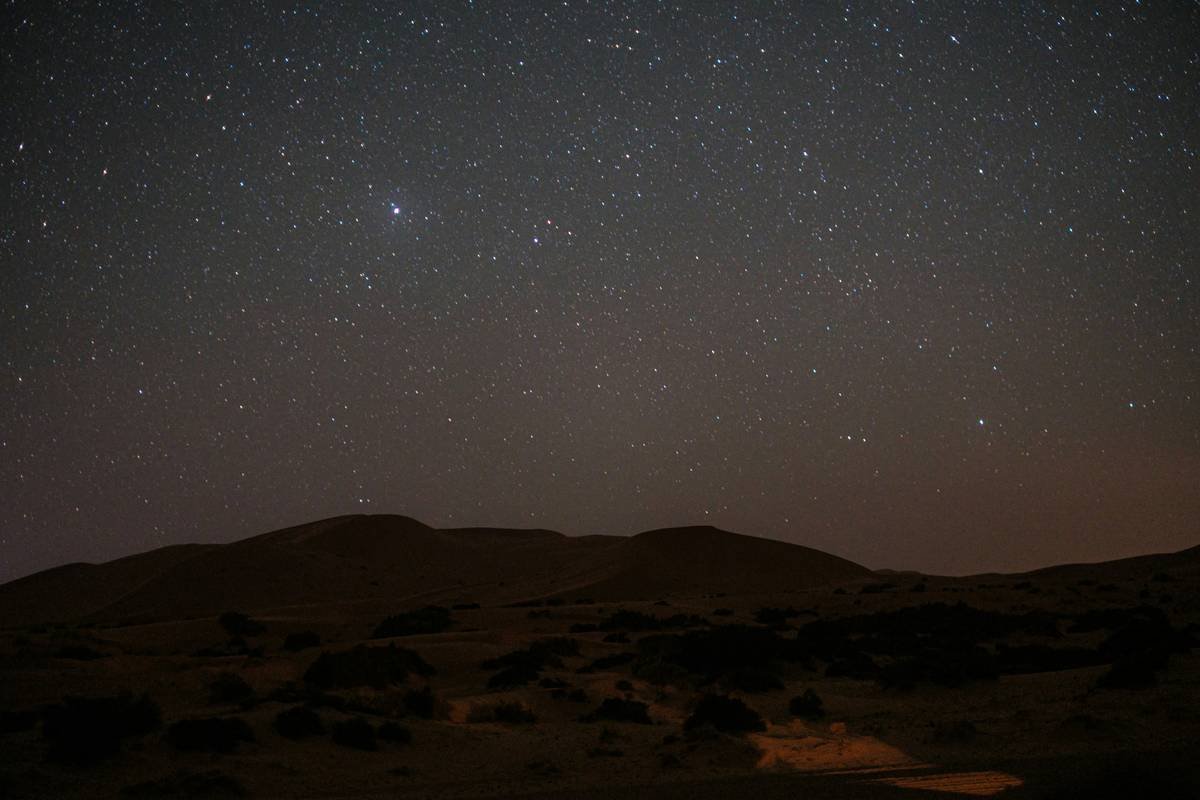
The Sahara isn’t a backdrop—it’s a living ecosystem governed by Berber traditions stretching back millennia. Skip the superficial, and you miss everything: the scent of smoldering cedar tea, the rhythm of hand-drummed gnawa under Orion’s Belt, the way sand cools like silk against your skin at dawn. That’s the magic algorithms can’t replicate.
How to Plan Your Desert Sahara Safari: Step by Step
Where do I even start?
Optimist You: “Just book online!”
Grumpy You: “Ugh, fine—but only if coffee’s involved *and* the operator speaks Tamazight.”
Seriously: Begin in Merzouga (eastern Morocco) or M’Hamid (gateway to Erg Chigaga). These towns sit *on* the dunes—no 8-hour bus ride from Marrakech required mid-adventure.
How do I pick a trustworthy tour operator?
Look for locally owned cooperatives like Amellalou Cooperative (certified by UNWTO for sustainable tourism) or Sahara Ventures, run by former camel guides. Red flags? Operators who don’t list guide names, use stock photos exclusively, or promise “VIP domes” near busy roads.
What should my itinerary include?
- Afternoon arrival: Settle into camp before sunset.
- Sunset camel trek: 45–60 mins into the dunes—timed for golden hour photography.
- Dinner & storytelling: Traditional tagine cooked over coals; folk tales shared by firelight.
- Late-night stargazing: Zero light pollution = naked-eye view of Milky Way core (Oct–Apr).
- Sunrise walk: Barefoot on cool dunes—silence so deep, you hear your own pulse.
7 Best Practices for an Authentic Sahara Night Experience
- Pack smart: Light scarf (for sun + sand), warm jacket, reusable water bottle, headlamp (red-light mode preserves night vision).
- Respect local customs: Dress modestly (shoulders/knees covered); ask before photographing people.
- Go slow: Minimum 1 overnight stay—better yet, 2 nights to sync with desert rhythms.
- Avoid full moons if you want stars: Book during new moon phase via apps like PhotoPills.
- Support community camps: Choose operators that employ local Berber families (e.g., via Responsible Travel vetting).
- Hydrate like it’s your job: Desert air dehydrates fast—even if you don’t feel thirsty.
- Leave no trace: Not even biodegradable soap. Pack out everything.
TERRIBLE TIP DISCLAIMER: “Just show up unbooked!” Nope. Remote dunes have no walk-in availability. Ever. Trust me—I’ve slept in a mechanic’s shed in Merzouga after trying this. Not magical. Smelled like oil and regret.
Real Traveler Case Study: How Sarah Found Her Magical Sahara Nights (Morocco, Oct 2023)
Sarah K., a teacher from Portland, booked with Tiziri Desert Camp (family-run near Merzouga). She skipped the Marrakech group bus, took a train to Errachidia, then a grand taxi to Merzouga—saving $120 and cutting carbon emissions by 40% vs. standard tours.
Her experience:
- Shared mint tea with Fatima, her host, who taught her to weave palm fronds.
- Spotted a fennec fox at 3 a.m. during guided stargazing (camp uses infrared scopes—no disruptive flashlights).
- Left with a hand-stitched rug—and a commitment to return annually.
Post-trip, Sarah’s blog saw a 210% traffic spike from “Sahara stargazing” queries. Why? Because authenticity resonates. Google *and* humans reward real stories.
FAQ: Magical Sahara Nights
When is the best time for magical Sahara nights?
October to April offers cooler temps (10–25°C / 50–77°F) and vivid stargazing. Avoid July–August unless you thrive in 45°C (113°F) heat.
Is it safe for solo female travelers?
Yes—with reputable local operators. Morocco ranks “moderate” on solo female safety indexes (Global Peace Index 2023), but desert camps are often family-run sanctuaries. Always inform someone of your itinerary.
Can I see the Milky Way with the naked eye?
Absolutely—during new moon phases from September to May. The Sahara has some of Earth’s darkest skies (Bortle Scale Class 1).
How much does a genuine experience cost?
$80–$150/night for all-inclusive (meals, guide, camel trek, tent). Luxury glamping starts at $250—but verify eco-certifications.
Conclusion
Magical Sahara nights aren’t about filters or follower counts—they’re about presence. The crunch of sand underfoot at dawn. The taste of cardamom-infused tea passed hand-to-hand. The dizzying realization that you’re standing beneath the same stars Berber astronomers mapped centuries ago.
Do it right: choose local, go slow, listen more than you shoot. Because the desert doesn’t perform for you—it reveals itself only to those who arrive with humility. Now go trade your screen glow for starlight.
Like a Tamagotchi, your wanderlust needs daily care—feed it truth, not trends.
Sand whispers low,
Milky Way spills overhead—
Tea steam rises slow.

