
“Ever stared at a desert landscape and thought, ‘This place must’ve seen things?’ You’re not alone.”
Desert safaris are thrilling, sure, but if you’ve been zooming past ancient ruins and forgotten forts, you’re missing out on the real treasure. These historical desert sites hold stories that make even Game of Thrones look tame. Today, we’ll uncover why they matter, how to step back in time, and what (not) to do when visiting them.
By the end of this guide, you’ll know exactly where to go, how to plan your desert safari around historical spots, and tips to avoid looking like a tourist cliché (spoiler: leave the fanny pack at home).
Table of Contents
- Key Takeaways
- Why Historical Desert Sites Matter
- How to Visit Like a Pro
- Best Practices for Exploring History
- From Petra to Timbuktu: Real-Life Gems
- Frequently Asked Questions
Key Takeaways
- Historical desert sites offer unparalleled glimpses into civilizations past.
- Planning a blend of adventure and culture ensures an unforgettable experience.
- Avoid damaging fragile ecosystems by respecting guidelines—and don’t take selfies with artifacts!
- Pack smart: Sunscreen, water, and comfy shoes are non-negotiable.
- Guided tours can elevate your trip from “cool” to “once-in-a-lifetime.”
Why Do Historical Desert Sites Matter?
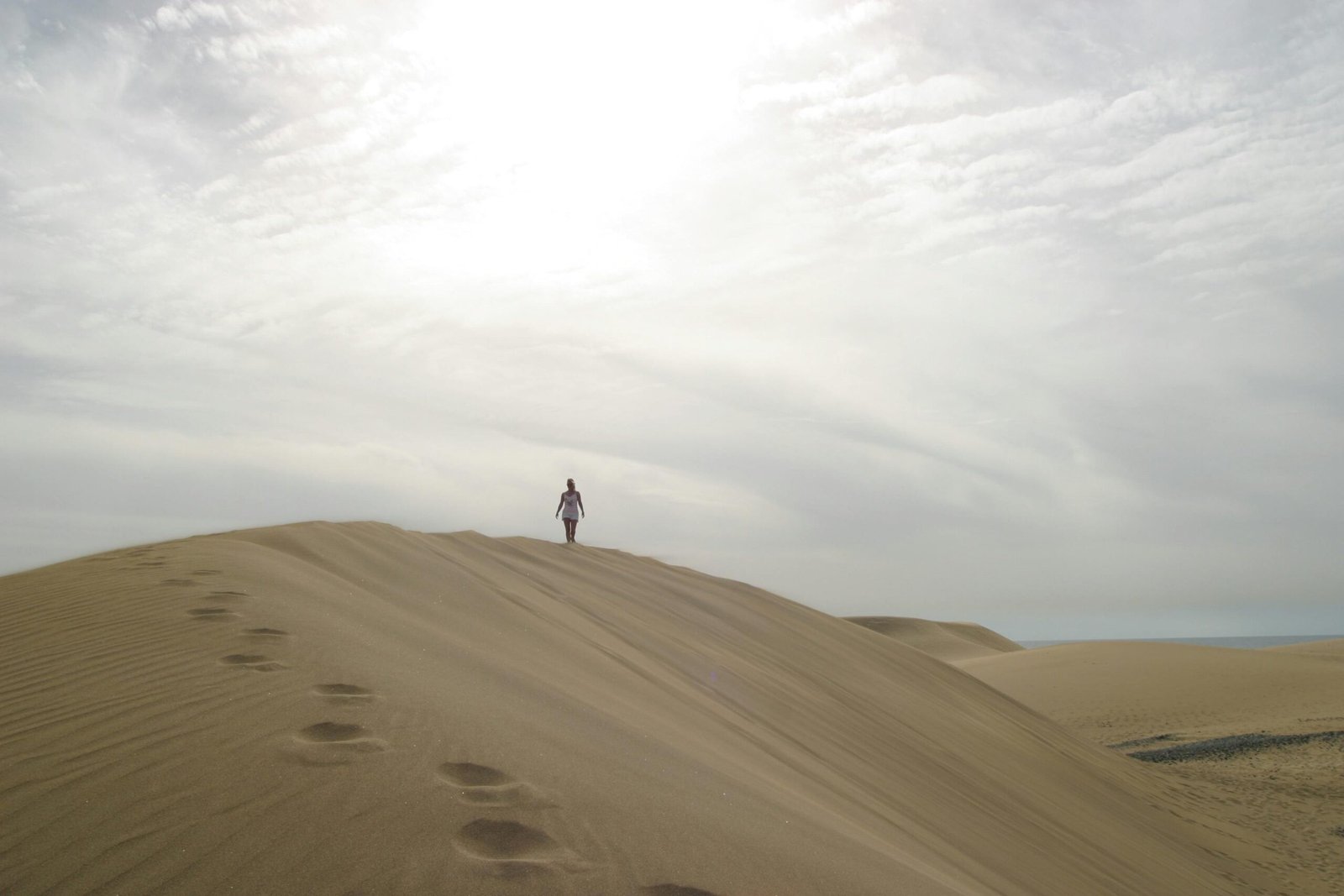
Think about it—entire cities once thrived where now only wind whispers through crumbling walls. The Sahara wasn’t always barren; rivers carved life into its depths eons ago. Similarly, places like Jordan’s Petra, Egypt’s Valley of the Kings, and India’s Jaisalmer Forts reveal layers of human ingenuity against all odds.
Optimist You: “Wow, these sites let us connect with history!”
Grumpy You: “Yeah, until someone trips over a 2,000-year-old artifact because their selfie stick got too ambitious.”
The Forgotten Stories Behind the Sands
I’ll never forget my own oops moment—a clumsy attempt to climb a rickety staircase at Al-Ula in Saudi Arabia. Picture this: sand flying everywhere as I nearly tumbled into a centuries-old well. Lesson learned? Respect the site’s fragility, or prepare for awkward stares from fellow travelers.
But hey, those missteps teach you appreciation. Without them, would we truly grasp how epic caravans once navigated endless dunes? Or how traders built entire economies atop shifting sands?
How to Visit Historical Desert Sites Like a Pro
Step 1: Research Before You Trek
Not all historical sites are created equal. Some, like Mesa Verde in Colorado, require permits. Others, like Morocco’s Ait Ben Haddou, are more accessible but still need careful planning.
Step 2: Choose Your Mode of Exploration
- Jeep Tours: Ideal for covering vast distances quickly.
- Camel Treks: Slower but scenic, perfect for soaking in details.
- Walking Tours: Best for intimate explorations near major landmarks.
Step 3: Bring Local Expertise Onboard
Hire local guides who know every nook and cranny. Trust me—these folks often have stories textbooks won’t tell you (and they usually speak better English than your GPS).
Tips & Best Practices for Exploring History
Tip 1: Dress Appropriately
No, cargo shorts aren’t cutting it here. Loose, breathable fabrics shield you from scorching sun while showing respect for local customs.
Tip 2: Stay Hydrated Without Littering
Carry refillable bottles instead of single-use plastic. Leave nothing behind but footprints.
Terrible Tip Disclaimer:
Please, PLEASE don’t try climbing unstable structures for Instagram likes. It’s dangerous AND disrespectful.
From Petra to Timbuktu: Incredible Real-Life Gems
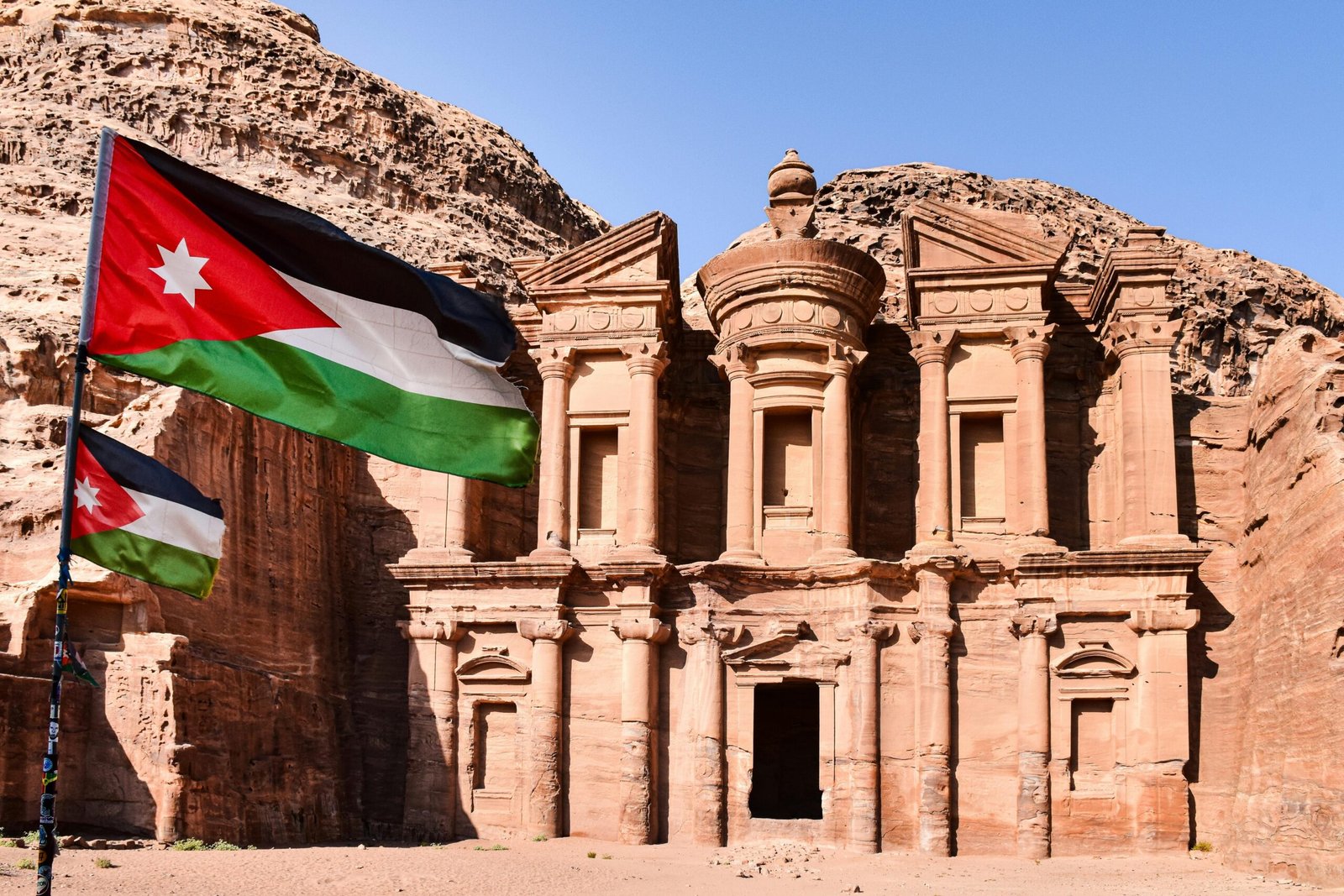
Take Petra, for instance. This UNESCO World Heritage Site blends natural beauty with architectural brilliance. Then there’s Timbuktu, a hub of Islamic scholarship buried deep within Mali’s sands. Both sites transport visitors across millennia—but each has unique challenges regarding preservation and tourism management.
And let’s not forget Jodhpur’s Mehrangarh Fort. Perched atop cliffs overlooking Rajasthan, it’s proof that deserts aren’t just empty wastelands—they’re canvases for human creativity.
Frequently Asked Questions
What Should I Wear for a Historical Desert Tour?
Lightweight clothing, sturdy footwear, sunglasses, and a wide-brimmed hat are essential. Remember cultural norms—modesty goes a long way.
Are These Sites Safe to Visit?
In general, yes. However, always check current travel advisories and ensure your chosen location is stable politically and environmentally.
Can I Touch the Artifacts?
Nope. Hands off unless explicitly allowed. Many artifacts are incredibly fragile and irreplaceable.
Conclusion
So, ready to swap adrenaline-fueled dune bashing for something deeper? Visiting historical desert sites transforms mere vacations into journeys through time. Just remember to tread lightly, listen closely, and soak in every detail. After all, these silent witnesses have stories worth hearing.
And hey—if you see me along the way, waving awkwardly after another tumble down ancient steps, just laugh politely. We’ve all been there.
*Like a Tamagotchi, your connection to history needs daily care.* 😉

