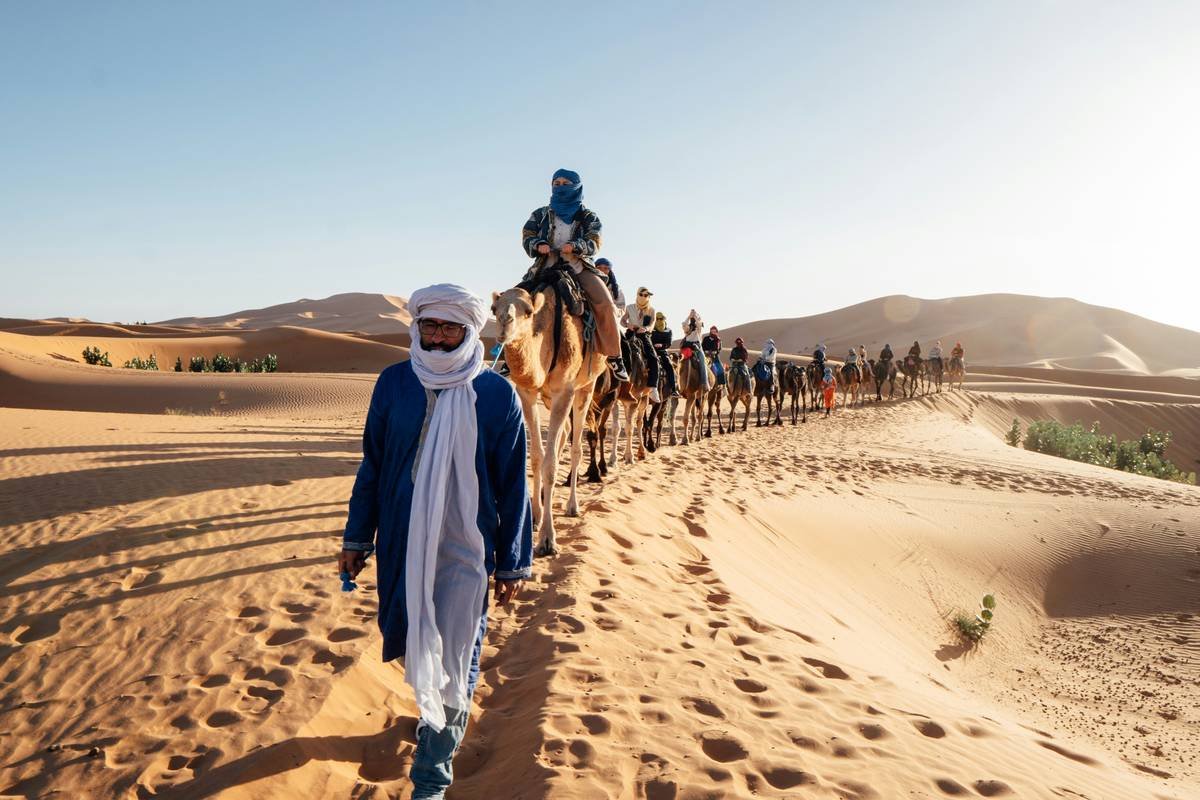
You booked a “Moroccan Sahara Desert tour.” You saw photos of golden dunes, starry skies, and camel treks. But you landed in Marrakech only to be herded onto a packed van with 15 strangers, rushed through Erg Chebbi in four hours flat, and barely got beyond the first ridge. Sound familiar? The problem isn’t your budget—it’s the template most operators use. Real magic happens when you skip the script.
Why Generic Moroccan Sahara Desert Tours Fail
Most agencies sell what’s easiest—not what’s best.
They stick to the Merzouga corridor because it’s paved, predictable, and profitable. And that’s fine… if you’re after Instagram backdrops with zero immersion.
But the Sahara isn’t a photo op. It’s a living ecosystem with rhythms, rituals, and routes most tourists never see. When tours compress three days into one, they erase context. You miss how nomads read dune shapes like weather reports. You never taste bread baked under hot sand. You don’t hear silence so deep it recalibrates your nervous system.
The math is simple: volume = diluted experience. Operators maximize headcount to minimize risk. You pay premium prices for assembly-line tourism.
Your Step-by-Step Guide to an Authentic Sahara Experience
Choose Your Entry Point Wisely
Marrakech-based tours typically take 10+ hours just to reach the dunes—half your trip lost to transit. Fly into Errachidia or Ouarzazate instead. Cuts drive time by 60%. Yes, flights are limited—but worth it.
Pick a Local Cooperative, Not a Big Brand
Bypass international resellers. Work directly with Amazigh-run cooperatives based near M’Hamid or Zagora. They reinvest profits locally and design routes based on ancestral knowledge—not TripAdvisor algorithms.
Commit to Minimum 2 Nights
One night? You arrive exhausted, eat tagine, sleep, leave at dawn. Two nights let you track shifting sands, join tea ceremonies, and witness sunrise without rushing. Three? Now you’re syncing with desert time—not squeezing it into vacation days.
| Tour Type | Avg. Duration | Price Range (USD) | Local Guide? | Off-Road Access |
|---|---|---|---|---|
| Marrakech Group Shuttle (Standard) | 3 days / 2 nights | $180–$250 | No (driver doubles as guide) | Limited (main tracks only) |
| Private Erg Chigaga Expedition | 4 days / 3 nights | $450–$700 | Yes (Amazigh nomad) | Full (includes fossil valleys, hidden oases) |
| Cooperative-Led Cultural Trek | 3–5 days | $300–$500 | Yes (community-trained) | Partial (mix of dunes + kasbah villages) |
The Industry Secret No One Talks About
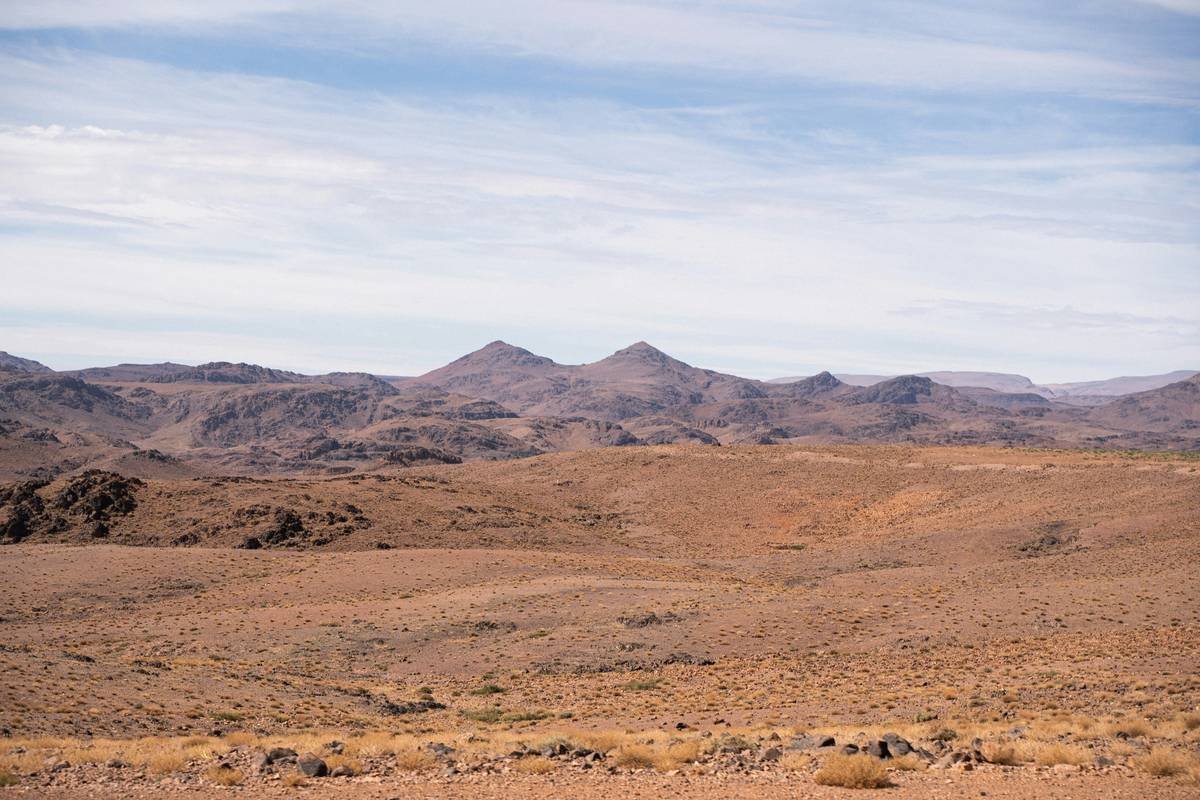
Here’s the reality: the “Sahara” most tours visit isn’t even the true Sahara. Erg Chebbi? Beautiful—but it’s a fringe zone. The real desert starts 100km south, past the black hamada plains. Yet few operators go there because logistics get messy: no cell signal, no fixed camps, water must be rationed.
But that’s where transformation happens. I once guided a solo traveler who spent 72 hours near Iriki Lake—dry now, but ancient shorelines etched in salt. She returned not with more photos, but fewer anxieties. Why? Because in true emptiness, your mind stops chasing distraction.
Tour companies won’t market that. It doesn’t fit a brochure bullet point.
Ask this question before booking: “Will we pass through any area without mobile coverage?” If the answer’s no—walk away.
Frequently Asked Questions
What’s the best month for Moroccan Sahara Desert tours?
October–April offers mild days (20–28°C) and cool nights. Avoid July–August—daytime temps exceed 45°C. November and March deliver ideal balance.
Are women safe on solo desert tours?
Yes—especially with Amazigh-led cooperatives. Female travelers report high respect and cultural sensitivity. Always confirm your operator includes female guides upon request.
Do I need special gear?
Pack layers, scarf for sandstorms, headlamp, and reusable water bottle. Most authentic tours provide blankets and tents—but bring your own sleeping liner for hygiene.

