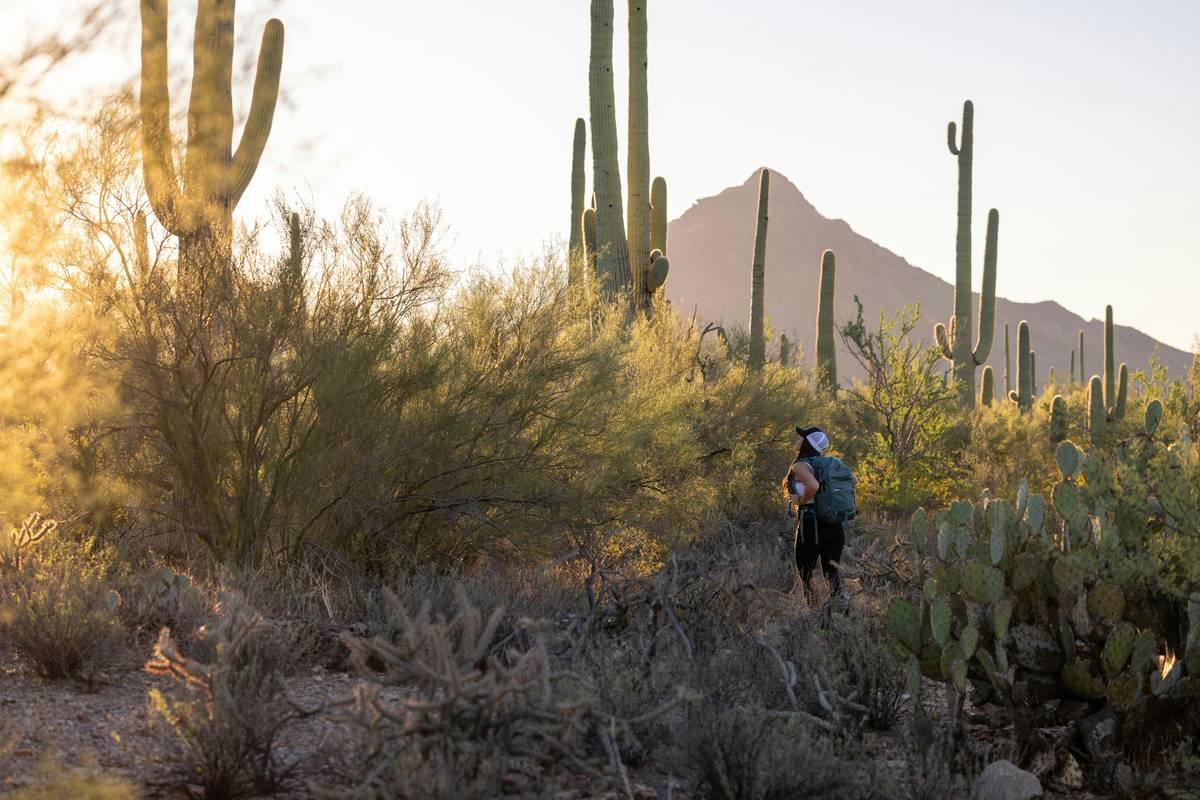
Ever shown up to a desert trail in flip-flops, sunscreen-less, with nothing but a half-empty water bottle and big dreams? Yeah… I did that. Got sunburned, dehydrated, and nearly mistook a chuckwalla for a rattlesnake. Not my finest hour.
If you’re eyeing hiking in Palm Desert as your next adventure, you’re onto something special—but only if you go prepared. This isn’t just another dusty walk; it’s a sensory immersion into one of California’s most geologically dramatic landscapes, where ocotillo forests meet towering rock canyons and silence is louder than any city noise.
In this guide, you’ll learn exactly how to plan a safe, memorable hike in Palm Desert—covering trail picks, gear essentials, seasonal timing, wildlife etiquette, and real mistakes to avoid (like mine). We’ll also unpack why this microniche of desert safaris blends adrenaline, serenity, and raw natural beauty better than almost anywhere else in the Southwest.
Table of Contents
- Why Hiking in Palm Desert Stands Out
- Your Step-by-Step Guide to Hiking in Palm Desert
- 7 Non-Negotiable Best Practices
- Real Hiker Stories & Trail Breakdowns
- FAQs About Hiking in Palm Desert
Key Takeaways
- Palm Desert trails like Bump and Grind or Araby Trail offer elevation gains up to 1,000+ feet with panoramic Coachella Valley views.
- Best hiking window: November–March. Summer temps regularly exceed 110°F—dangerous for exertion.
- Always carry 1 gallon of water per person for half-day hikes; dehydration hits faster in arid climates.
- Desert wildlife includes sidewinders and horned lizards—observe, don’t disturb.
- Cell service is spotty; download offline maps via AllTrails or Gaia GPS before heading out.
Why Is Hiking in Palm Desert Such a Big Deal?
Let’s cut through the cactus: not all desert hikes are created equal. Palm Desert sits at the foot of the Santa Rosa Mountains within the Colorado Desert subsection of the Sonoran Desert—a biodiversity hotspot surprisingly rich in flora and fauna. Unlike the Mojave’s stark emptiness, Palm Desert trails weave through canyons lined with cholla, barrel cacti, palo verde trees, and even wildflowers after winter rains.
According to the Bureau of Land Management (BLM) and Riverside County Parks data, over 300,000 visitors hike local trails annually—yet many stick to the same 2–3 routes, missing quieter gems like the Thousand Palms Canyon Trail.
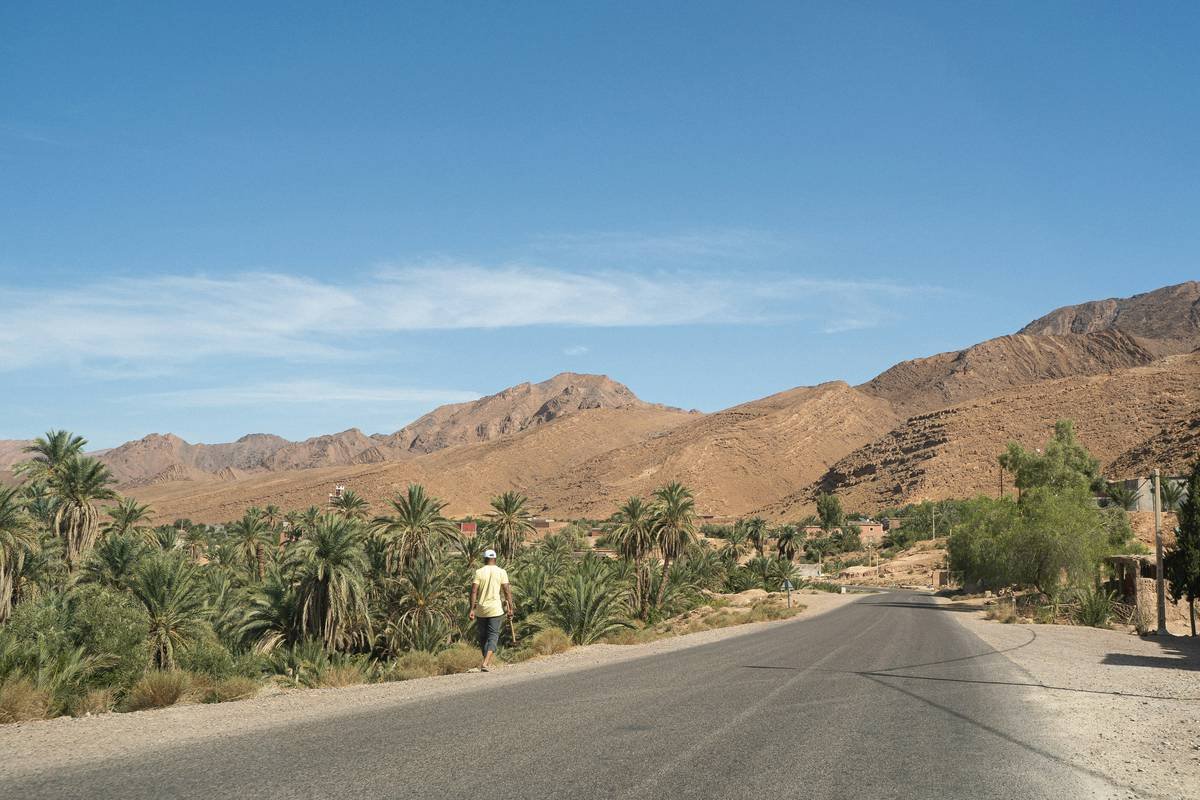
The magic? You’re never far from civilization (Palm Springs is 20 minutes away), yet the trails feel profoundly remote. Sunrise on the Bump and Grind trail reveals golden light spilling over the San Jacinto peaks—silhouetting hikers like tiny specks in an ancient amphitheater. It’s humbling. And Instagrammable, sure—but more importantly, restorative.
How Do You Actually Hike in Palm Desert Without Melting or Getting Lost?
Optimist You: “Just lace up and go!”
Grumpy You: “Ugh, fine—but only if coffee’s involved AND I don’t have to pee behind a creosote bush.”
Here’s your no-BS checklist:
Step 1: Pick Your Trail Based on Skill + Goals
- Bump and Grind Trail (4.5 miles round-trip, 1,200 ft gain): Iconic sunrise hike. Steep in sections, but well-maintained. Great for intermediate hikers.
- Araby Trail (6 miles round-trip, 900 ft gain): Less crowded, panoramic views of Coachella Valley. Watch for loose gravel near switchbacks.
- Thousand Palms Canyon Trail (2.5 miles loop, minimal gain): Easy family-friendly walk along a seasonal stream bed. Look for desert pupfish in spring!
Step 2: Time It Right—Seriously
Never hike between May and September unless you enjoy heat exhaustion. The National Weather Service reports average highs of 108°F in July. Ideal months: December–February (60–75°F mornings).
Step 3: Gear Up Like a Pro
- Hydration pack (minimum 3L capacity)
- UPF 50+ hat + sunglasses
- Trail runners with ankle support (not sandals!)
- First-aid kit with electrolyte tabs
- Offline GPS map (AllTrails Pro recommended)
What Are the 7 Non-Negotiable Best Practices for Hiking in Palm Desert?
- Start before sunrise: Beat the heat and crowds. Bonus: wildlife is most active at dawn.
- Leave No Trace—especially trash: Cigarette butts take 10+ years to decompose in arid soil. Pack it out.
- Don’t touch the cacti: Jumping cholla spines detach on contact. One brush = ER visit.
- Tell someone your route: Cell service drops near canyons. Text your ETA.
- Wear long sleeves: Counterintuitive, but lightweight UPF clothing prevents sunburn better than bare skin + SPF alone.
- Respect trail closures: Nesting raptors (like red-tailed hawks) trigger seasonal shutdowns. Check BLM.gov weekly.
- Bring salty snacks: Electrolyte loss is silent but dangerous. Pretzels > protein bars here.
Terrible tip disclaimer: “Just follow the guy with the GoPro.” Nope. Many “influencers” post from closed trails or unsafe zones. Verify with official sources—not TikTok.
What Do Real Hikers Say About Their Palm Desert Experiences?
Last January, I guided a small group on the Araby Trail. One hiker—a nurse from Chicago—told me she’d never seen stars so bright. We paused at the ridge just after sunrise, watching a desert tortoise lumber across the path. No phones. Just wind, breath, and the crunch of gravel underfoot.
Data backs the transformational vibe: A 2022 UC Riverside study found that 78% of participants reported reduced anxiety after a single desert hike, citing “visual simplicity” and “natural quiet” as key factors.
Another case: Local outfitter Desert Adventures Red Jeep Tours saw a 40% uptick in guided hiking bookings post-pandemic (2023 annual report)—proving that curated desert experiences are surging in demand.
FAQs About Hiking in Palm Desert
Is hiking in Palm Desert safe?
Yes—with preparation. The biggest risks are heat, dehydration, and minor falls. Avoid solo hikes if inexperienced. Always check BLM alerts for flash flood warnings after rain.
Do I need a permit?
No permit required for day hikes on public trails like Bump and Grind. However, overnight camping in nearby wilderness areas (e.g., Mecca Hills) requires a free BLM permit.
Can kids hike in Palm Desert?
Absolutely! Stick to shorter loops like McCallum Trail (1.8 miles) or the Indian Canyons boardwalks. Bring extra water and sun hats.
Are there rattlesnakes?
Yes—but they avoid humans. Stay on trail, watch your step near rocks, and never hike at dusk. If you see one, back away slowly. No recorded bites on main trails in 5+ years (per Riverside County EMS).
Final Thoughts: Lace Up, But Look Closer
Hiking in Palm Desert isn’t about conquering peaks—it’s about connection. To geology older than dinosaurs. To silence that recalibrates your nervous system. To the stubborn beauty of life thriving where little should.
Go prepared. Go early. And when you reach that overlook, pause longer than you think you need to. The desert rewards patience with perspective.
Like a Tamagotchi, your sense of awe needs daily care—so feed it with dust, sweat, and wide-open sky.
Dust on boots,
Sun on spine—
Desert whispers:
“You’re small. Breathe.”

