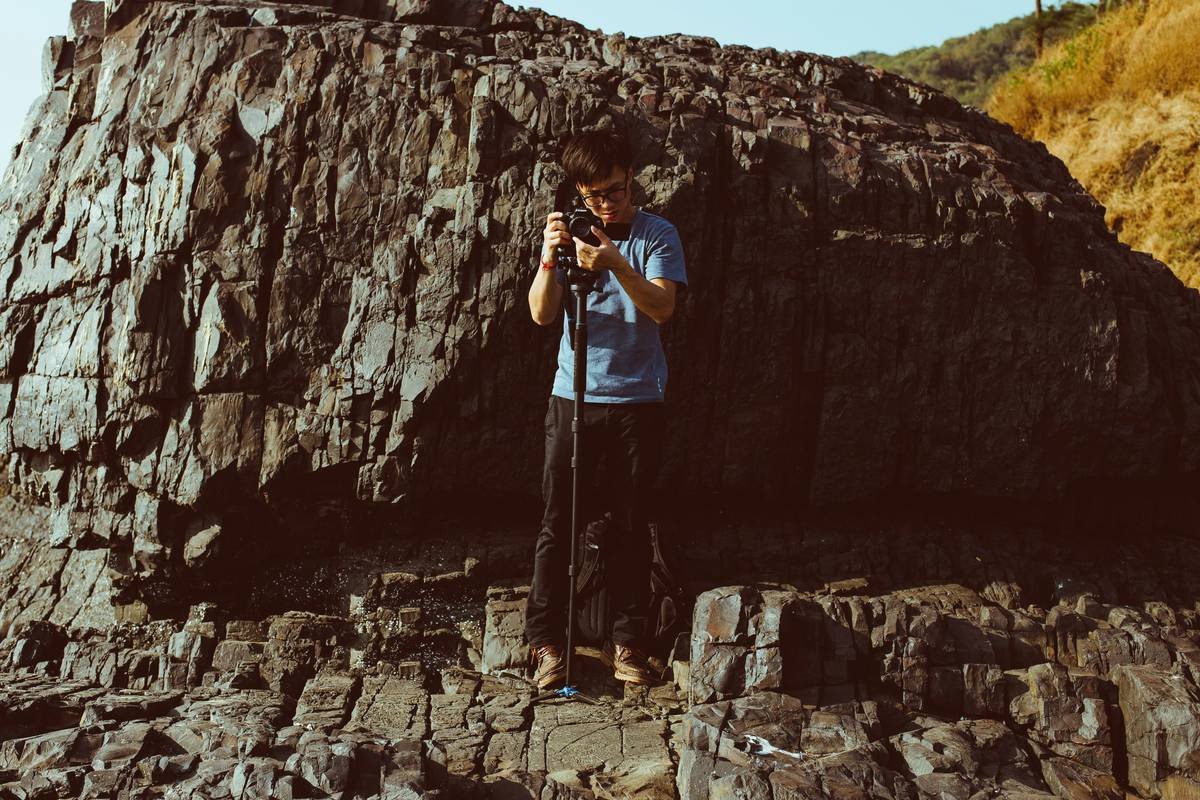
Ever tried photographing a golden sunset over the dunes, only to end up with grainy, flat images that scream “amateur”? Yeah, us too. The desert is one of the most unforgiving yet rewarding landscapes for photographers. But here’s the kicker—nailing those picture-perfect shots isn’t about fancy gear; it’s all in how you use what you’ve got.
In this post, we’ll dig deep into sand photographer tips tailored specifically for capturing the magic of desert safaris. From understanding light dynamics to avoiding rookie mistakes (like leaving your lens cap on during golden hour), we’ve got you covered. You’ll walk away knowing exactly what to do—and what *not* to do—to level up your photography game. Buckle up!
Table of Contents
- Why Desert Photography Is Harder Than It Looks
- Step-by-Step Guide to Capturing Stunning Desert Shots
- Top Tips Every Sand Photographer Needs to Know
- Real-Life Examples: What Works and What Doesn’t
- Frequently Asked Questions About Sand Photography
Key Takeaways
- Lighting is king in desert photography—golden hour is non-negotiable.
- Sand particles can wreak havoc on camera gear if precautions aren’t taken.
- Composition techniques like leading lines and symmetry work wonders in deserts.
Why Desert Photography Is Harder Than It Looks
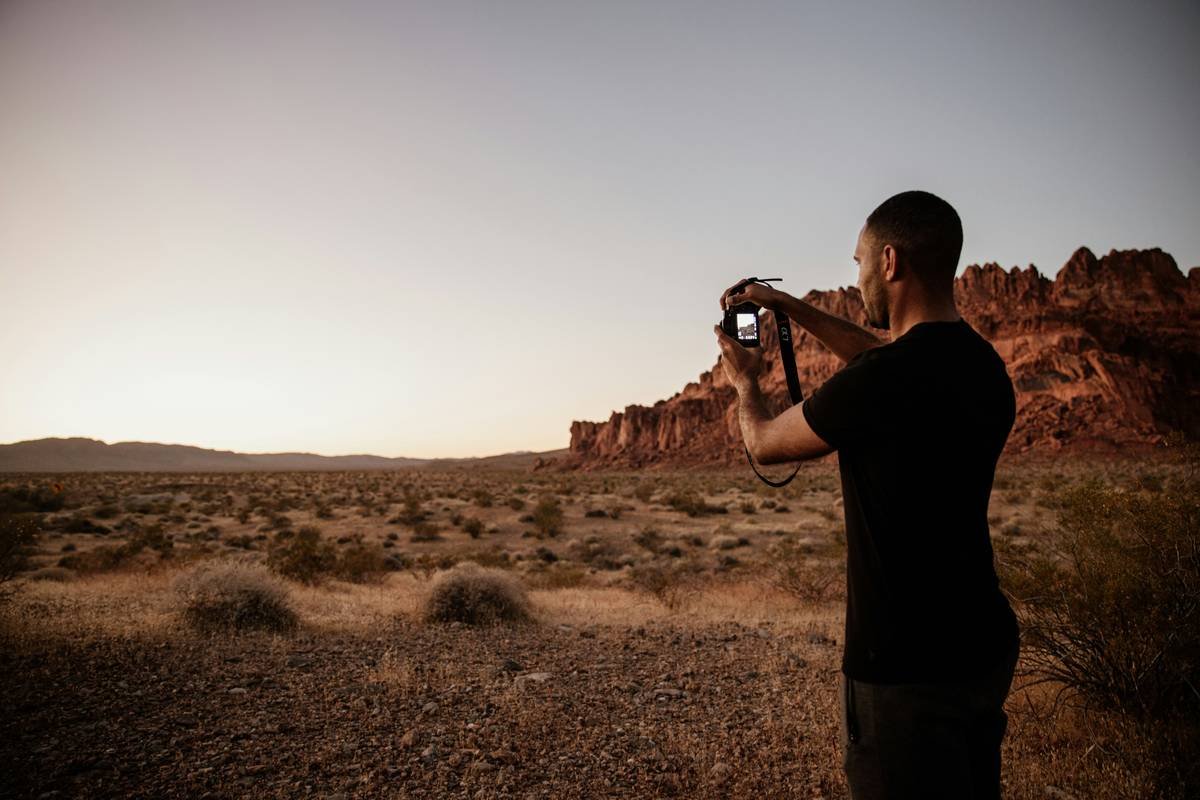
If you’ve ever ventured into a desert safari armed with just your camera and optimism, you already know—it’s tough. Between unpredictable weather conditions, harsh lighting extremes, and relentless sandstorms, there’s no shortage of obstacles. And let me tell you, I still cringe remembering the time my lens fogged up mid-shoot because I forgot to acclimate my equipment to the heat. Rookie move.
Desert environments demand respect. For instance, without proper planning, even the best DSLR can quickly turn into an expensive paperweight thanks to fine sand particles sneaking their way inside. Sounds dramatic? Just wait until you hear the whirrrr of your autofocus motor giving up halfway through a shoot.
Step-by-Step Guide to Capturing Stunning Desert Shots
Optimist You: “Follow these tips!”
Grumpy You: “Ugh, fine—but only if coffee’s involved.”
Step 1: Gear Up Right
First things first: protect your gear. Invest in a UV filter for your lens to shield against scratches caused by blowing sand. Consider using ziplock bags or protective covers when transitioning between locations.
Step 2: Time Your Shoot Perfectly
The desert comes alive during golden hour—the brief window shortly after sunrise or before sunset. Plan your schedule around this timeframe to avoid harsh midday shadows that flatten your photos.
Step 3: Play with Composition
Deserts are minimalist dreams waiting to be framed. Use natural curves in the dunes as leading lines, experiment with negative space, or capture mirrored reflections off salt flats for added drama.
Top Tips Every Sand Photographer Needs to Know
Tip #1: Master Exposure Settings
Shoot in manual mode to gain control over exposure settings. Start with a lower ISO (like 100) to reduce noise, adjust aperture to control depth of field, and tweak shutter speed based on movement (hello, wind-swept sands).
Tip #2: Beware of Overexposure
Bright skies often wash out details. Use graduated neutral density filters or bracket exposures to balance sky and ground tones effectively.
Warning: Terrible Tip Alert
Some bloggers suggest shooting at noon for “dramatic contrast.” Wrong! Harsh overhead light creates unflattering highlights and deep shadows. Stick to softer lighting instead.
Real-Life Examples: What Works and What Doesn’t
Remember the viral photo of camels silhouetted against a glowing orange horizon? That wasn’t luck—it was skillful timing paired with smart composition. On the flip side, countless poorly exposed daytime snaps have gone straight to Instagram oblivion. Bottom line: study successful desert images for inspiration.
Frequently Asked Questions About Sand Photography
How do I keep sand out of my camera?
Cover your gear when not in use and always clean lenses carefully with a microfiber cloth. Never change lenses in windy conditions!
What’s the best lens for desert photography?
A wide-angle lens (around 16-35mm) works wonders for capturing expansive vistas. Pair it with polarizing filters to enhance colors.
Conclusion
Rome wasn’t built in a day, and neither will your portfolio of killer desert safari photos. With these sand photographer tips under your belt, though, you’re well-equipped to start creating stunning visuals. Just remember—patience, practice, and protection for your gear are key.
P.S. Like finding Waldo hidden in a sea of stripes, mastering desert photography takes effort but pays off big time. Now go out there and slay those dunes!
Haiku Bonus:
Golden sand whispers,
Shadows stretch across vast plains,
Click. Forever yours.

