
Ever tried climbing a dune only to slide back down like you’re on a slip ‘n slide? Yeah, us too. But here’s the kicker—it doesn’t have to be that way. Whether you’re on your first desert safari or you’re looking to refine your skills, today we’re diving deep into dune climbing techniques that will elevate (literally and figuratively) your next adventure.
Buckle up because this guide has it all: the mistakes we made so you don’t have to, actionable steps for scaling those sandy giants, insider tips from seasoned pros, jaw-dropping case studies, and yes—even a little rant about sand in shoes. By the end of this article, you’ll know exactly how to tackle any dune with confidence.
Table of Contents
- Key Takeaways
- Why Dune Climbing Matters
- Step-by-Step Guide to Mastering Dune Climbing
- Tips & Best Practices for Sand Conquerors
- Real-Life Examples: When Climbers Went Viral
- Frequently Asked Questions About Dune Climbing
Key Takeaways
- Choosing the right footwear is non-negotiable when tackling steep dunes.
- A zigzag pattern minimizes energy loss while climbing.
- Proper breathing techniques can prevent exhaustion during climbs.
- Learn to read the texture of the sand—it’s not all created equal!
- Sand in shoes is inevitable—but there are ways to minimize the misery.
Why Dune Climbing Techniques Matter More Than You Think
Sure, walking through flat deserts might sound chill AF until…you encounter a towering dune blocking your path. Spoiler alert: it happens more often than you’d think. And trust me, without proper technique, you’ll spend twice as long (and sweat three times as much) trying to get over it. I once attempted to sprint straight up a massive dune thinking I’d impress my buddies—only to faceplant into soft sand mid-climb. Chef’s kiss for embarrassment. Lesson learned? Structure matters. A lot.
Not convinced yet? Let’s geek out for a second. Picture this: Every year, thousands flock to desert safaris worldwide, eager for Instagram-worthy shots atop majestic dunes. But what sets apart amateur tourists from pro adventurers? Knowing how to navigate these natural wonders safely and efficiently. So let’s break down why learning solid dune climbing techniques should top your priority list.

The Importance of Preparation
Climbing dunes isn’t just about physical endurance; it’s about respecting their unique challenges. Unlike mountains or trails, loose sand shifts beneath your feet—making every step trickier than the last. That’s where our strategies come in handy.
Step-by-Step Guide to Effortlessly Scaling Sandy Peaks
- Choose Your Footwear Wisely:
Opt for boots with good ankle support and grippy soles designed for sandy terrains. Flip flops? Terrible idea unless you want to recreate a mini sandstorm every time you move. - Start Slowly:
Don’t rush headfirst at the steepest part of the dune. Work your way around the base first to gauge its stability. - Zigzag Like Zorro:
Take diagonal paths instead of charging straight up. This reduces the amount of slipping and sliding by distributing your weight evenly. - Breathe Like a Yogi:
Consistent inhale-exhale patterns help maintain stamina. Stop frequently if needed, but avoid hyperventilating like a winded camel. - Read the Texture:
Notice whether the sand feels dry and powdery or damp and packed. The latter provides better traction—an instant win for climbers.
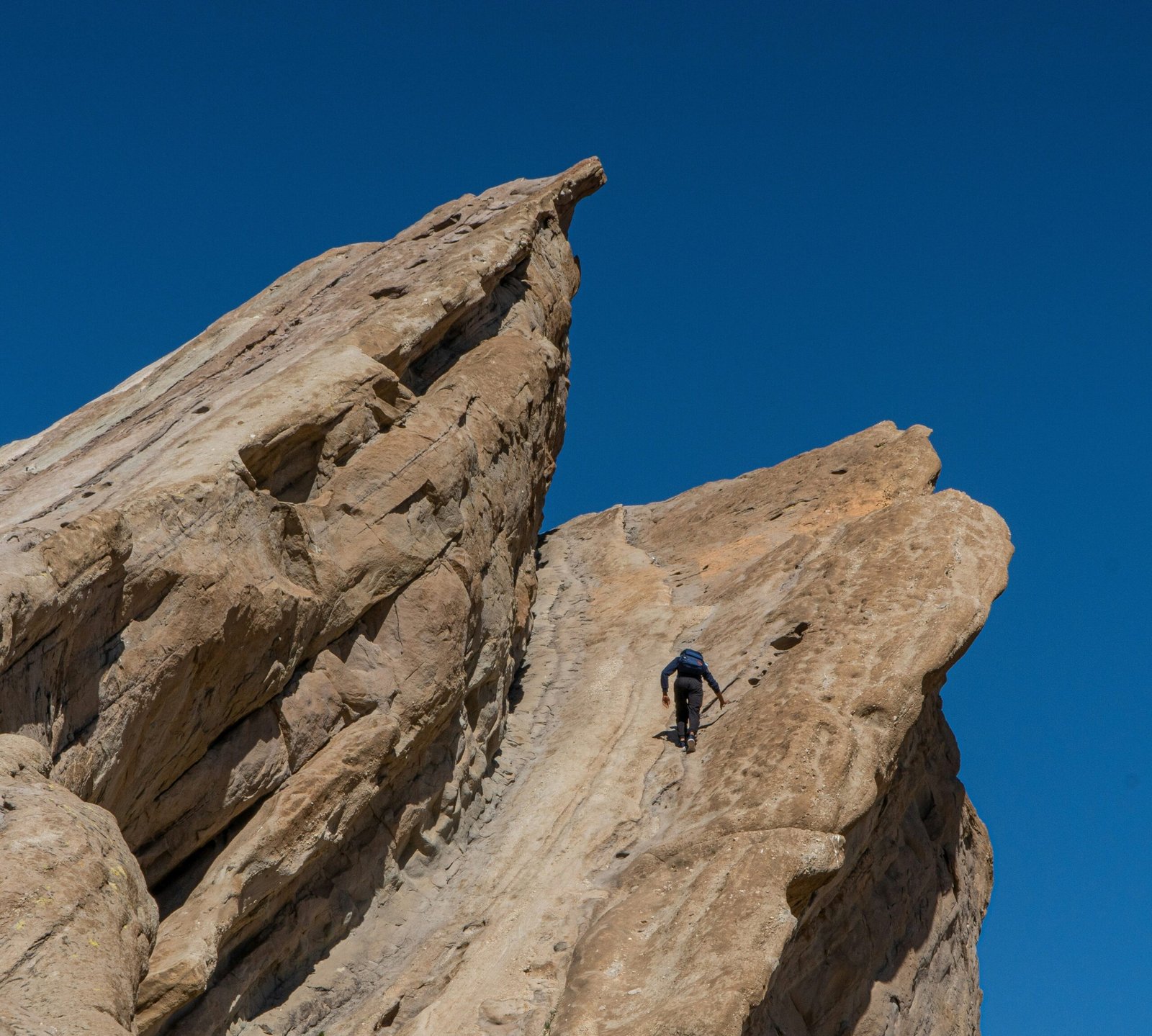
Top Tips for Nailing Your Next Dune Climb
- Pack Light: Extra gear means extra weight dragging you down.
- Hydrate Early, Hydrate Often: Dehydration hits harder in arid climates.
- Watch for Weather Changes: Windstorms or temperature drops can turn fun into danger real quick.
- Respect Local Guidelines: Always check rules before venturing off-trail. Some areas prohibit certain activities to protect ecosystems.
Rant Alert: Why Shoes Should Come with Built-in Vents
Let’s talk about something nobody prepared me for—sweaty, suffocated feet buried alive inside boots filled with sand. It’s the worst feeling EVER. Companies need to invent anti-sand tech STAT. Someone get Elon Musk on this ASAP.
When Ordinary People Did Extraordinary Things with Dune Climbing Techniques
Sarah W., a 45-year-old teacher from Arizona, never thought she could conquer the tallest dune in Death Valley National Park—until she did. How? Simple tweaks like wearing compression socks (to reduce swelling), switching her route mid-climb after noticing firmer terrain nearby, and taking short breaks to refocus mentally. Now she shares photos inspiring hundreds online. Proof positive: With practice and preparation, anyone can become a dune ninja.

Frequently Asked Questions About Dune Climbing Techniques
Is dune climbing dangerous?
It depends! While generally safer than rock climbing, dune climbing carries risks like falls, dehydration, and getting lost. Proper equipment and knowledge make it safer.
Do I need special training?
No formal training required, but basic fitness and understanding of navigation principles are essential. Start small and build confidence gradually.
What if I keep sliding backward?
If sliding persists, try adjusting your pace, changing angles, or even digging shallow footholds manually. Sometimes patience pays off more than brute force.
Best time of day to climb?
Morning or late afternoon offers cooler temps and softer light for photography buffs. Midday heat makes conditions unbearable, especially in hotter regions.
Conclusion
Mastering dune climbing techniques is less about superhuman strength and more about smart strategies tailored to nature’s quirks. From choosing supportive footwear to adopting zigzagging methods, each tip we’ve covered brings you closer to conquering sandy summits effortlessly. Remember, slow and steady truly wins the race here—and maybe invest in some quality gaiters while you’re at it.
Like finding an oasis in the middle of nowhere,
Success comes unexpectedly.
Climb high, stay hydrated—desert vibes forever!

