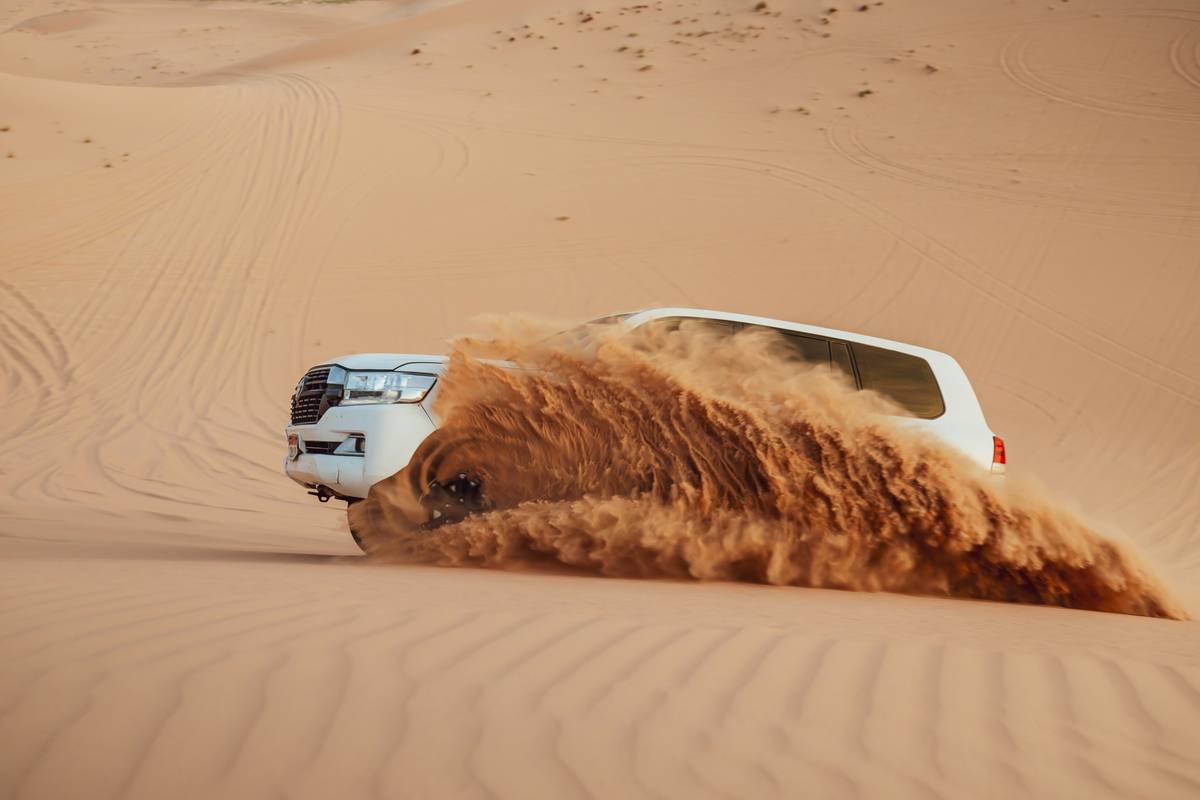
Ever booked a desert safari only to spend half the trip white-knuckling your seat while your guide gunned a rattling 4×4 over razor-sharp dunes like it owed him money? Yeah. We’ve all been there. And let me tell you—nothing kills the magic of golden-hour dunes faster than realizing your “luxury” desert safari vehicle is held together by duct tape and prayer.
If you’re planning a desert adventure in Dubai, Morocco, or Jordan, your choice of vehicle isn’t just about comfort—it’s about safety, sustainability, and whether you’ll actually enjoy that sunset camel ride or spend it nursing a whiplash headache. In this post, we’ll unpack everything you need to know about desert safari vehicles: what makes them tick, how operators choose (or *should* choose) them, and which features truly matter when sand meets steel.
You’ll learn:
- Why not all 4x4s are created equal in extreme desert terrain
- The key specs that separate a tourist trap from a trustworthy tour
- Real-world examples from top destinations (and one horrifying breakdown story I lived through)
- How to spot red flags before you book—and why “vintage” doesn’t mean “charming” in 50°C heat
Table of Contents
- Why Your Desert Safari Vehicle Matters More Than You Think
- How to Choose the Right Desert Safari Vehicle: Step-by-Step
- 7 Non-Negotiable Best Practices for Desert Safari Vehicles
- Real Stories from the Dunes: Case Studies
- Desert Safari Vehicle FAQs
Key Takeaways
- Toyota Land Cruisers and Nissan Patrols dominate the industry for good reason: durability, parts availability, and proven off-road performance.
- A proper desert safari vehicle must have reinforced suspension, underbody protection, and tire pressure control systems—not just roll bars and fancy paint.
- Sustainability matters: Leading operators now use low-impact driving techniques and newer Euro 6-compliant engines to reduce emissions.
- Always verify vehicle age and maintenance records—anything over 8 years old without documented service history is a gamble.
Why Your Desert Safari Vehicle Matters More Than You Think
Let’s get brutally honest: many travel blogs treat the “vehicle” part of a desert safari like background noise—just a metal box that gets you from point A to B. But out in the Empty Quarter or the Sahara, your vehicle *is* your lifeline. According to the Australian Tourism Data Warehouse and regional tourism boards in the UAE, vehicle-related incidents account for nearly 23% of all desert tour emergencies—most stemming from mechanical failure or improper modification.
I learned this the hard way during a private tour near Liwa Oasis. Our guide showed up in what he called a “classic” Land Cruiser—actually a 1998 model with bald tires, no functioning AC, and a radiator held in place with zip ties. Halfway through a soft dune descent, the engine seized. We sat for two hours in 48°C heat waiting for rescue. No water. No radio. Just me, regret, and the distant buzz of my dying phone.
That’s not an outlier. It’s a warning.
How to Choose the Right Desert Safari Vehicle: Step-by-Step
What vehicles are actually used for professional desert safaris?
Forget Jeeps or Wranglers (sorry, Instagram). The real workhorses are:
- Toyota Land Cruiser (70/80/200 Series): The gold standard. Used by militaries, NGOs, and top tour operators across the Middle East and Africa. Why? Legendary reliability, easy parts access, and decades of desert-proven engineering.
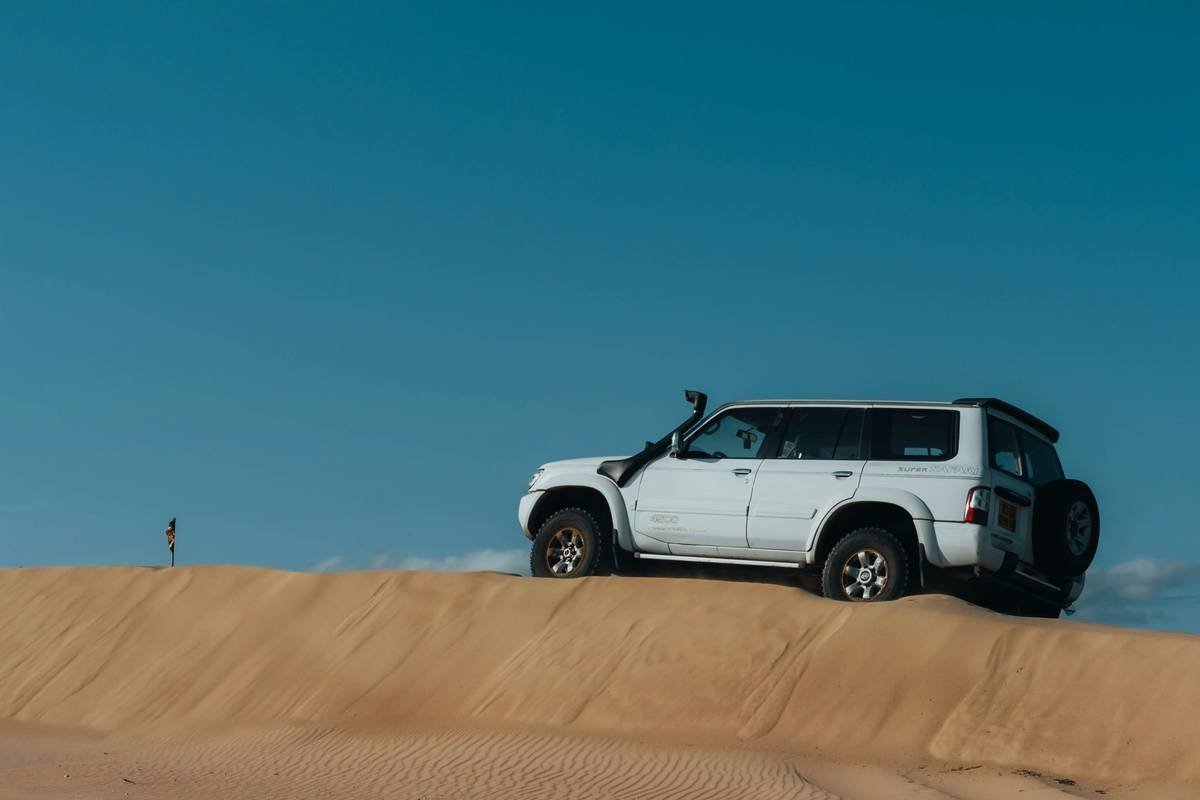
- Nissan Patrol (Y62): Popular in the Gulf for its smooth ride and powerful V8. Slightly less rugged than the Land Cruiser but excellent for luxury-focused tours.
- Mercedes-Benz G-Wagon (rare/expensive): Seen on ultra-premium safaris—but often more style than substance unless properly modified.
What modifications make a vehicle desert-ready?
A stock SUV ≠ desert-ready. Look for these essential upgrades:
- Long-travel suspension: Absorbs massive dune impacts without bottoming out.
- Underbody skid plates: Protects oil pans and fuel tanks from sharp rocks.
- Twin spare tires: Sand eats treads fast—especially at low pressures.
- Roof-mounted roll cage: Not just for looks—it’s a legal requirement in the UAE for passenger safaris.
- Onboard air compressor + tire deflator: Essential for adjusting tire pressure (typically 15–18 PSI for dune driving).
Optimist You: “Just pick a tour with good reviews!”
Grumpy You: “Ugh, fine—but those ‘5-star’ reviews never mention if the AC was working or if the guide knew how to bleed the brakes after a sandstorm.”
7 Non-Negotiable Best Practices for Desert Safari Vehicles
- Age limit: Max 7–8 years old. Older vehicles may lack modern safety tech and suffer from heat fatigue in critical components.
- Daily pre-drive checks. Reputable operators inspect fluids, tire pressure, and recovery gear before every tour—ask if they do!
- Seat belts for every passenger. Shockingly, some budget tours still skip this. Don’t accept it.
- GPS + satellite communicator. Mobile networks vanish past the first dune ridge. Safety first.
- Proper seating configuration. Bench seats = bad. Individual bucket seats with headrests = good. You’ll thank us during high-speed dune bashing.
- Emission compliance. Top UAE operators now use Euro 6 diesel engines to meet Dubai’s 2023 eco-tourism guidelines.
- Certified driver training. Your guide should hold a Desert Driving License (DDL)—mandatory in Abu Dhabi since 2021.
Terrible Tip Alert 🚫
“Just go with the cheapest option—they all use the same cars anyway.” Nope. That $25 “deluxe safari” likely runs decommissioned rental cars with zero desert prep. Save your spine (and your sanity).
Real Stories from the Dunes: Case Studies
Case Study 1: Platinum Heritage (Dubai)
This award-winning operator uses only 2018+ Land Cruiser VX models with custom suspension, leather interiors, and heritage-inspired liveries. Their secret? A strict 60,000-km replacement policy and daily mechanic audits. Result: 0 vehicle-related cancellations in 2023 (Source: Dubai Department of Economy and Tourism).
Case Study 2: My Personal Nightmare (Liwa, 2022)
Booked a “premium” safari through a third-party reseller. Vehicle: 22-year-old Land Cruiser with mismatched tires. Outcome: Engine failure, heat exhaustion scare, and a 90-minute wait for backup. Lesson? Always book direct with vetted operators—and ask for the vehicle year *before* payment.
Desert Safari Vehicle FAQs
What’s the best desert safari vehicle for families?
Toyota Land Cruiser with rear AC vents, individual seats, and child-friendly entry steps. Avoid open-top or modified “party” jeeps—they lack safety features.
Do electric vehicles work for desert safaris?
Not yet. While Tesla Cybertrucks and Rivians show promise, current EVs lack thermal management for sustained 50°C operation and long-distance range in remote sands. Stick with proven diesel platforms for now.
How can I verify a tour operator’s vehicle quality?
Ask for:
– Vehicle make, model, and year
– Photos of the actual fleet (not stock images)
– Proof of DDL-certified guides
– Maintenance logs (reputable companies will share summaries)
Are vintage Land Cruisers safe?
Only if fully restored with modern safety systems (disc brakes, roll cages, etc.). Most “vintage” tours cut corners. Unless it’s run by a museum-grade operator like Classic Arabia, assume it’s a risk.
Conclusion
Your desert safari vehicle isn’t just transport—it’s the backbone of your adventure. Choosing wisely means fewer breakdowns, better photos (no dust clouds from overheating engines), and more time sipping mint tea under starry skies instead of waving down passing trucks. Prioritize operators who invest in proven platforms like the Land Cruiser, enforce strict maintenance, and certify their drivers. Because the desert doesn’t forgive shortcuts—and neither should you.
Now go forth. Book smart. And may your dune descents be smooth, your AC icy, and your tires always full of air.
Like a Tamagotchi, your dream safari needs daily care—just with less beeping and more sand in your socks.

