Ever packed for a Sahara desert tour only to realize you brought flip-flops, denim jeans, and a neon crop top? Yeah, we’ve all been there—me included. On my first trip to Merzouga, Morocco, I wore cotton pajama pants thinking “light = cool.” By hour two, I looked like a damp noodle wrapped in sandpaper. Not cute. And definitely not comfortable.
If you’re planning a Sahara desert tour—and let’s be real, the golden dunes of Erg Chebbi or the vast emptiness of Tassili n’Ajjer deserve a spot on your bucket list—you need to know what to wear Sahara desert tour isn’t about fashion. It’s about function, protection, and respecting one of Earth’s most extreme environments.
In this guide, you’ll learn exactly what fabrics work (and which will melt into your skin), how layering saves lives (literally), why sunscreen alone won’t cut it, and how locals dress for 50°C days that drop to near-freezing at night. Plus, I’ll share real packing mistakes I’ve made so you don’t have to repeat them.
Table of Contents
- Why Clothing Matters in the Sahara
- Step-by-Step: What to Wear Day and Night
- Top 7 Best Practices for Desert Dressing
- Real-Life Packing Case Study: My Morocco Mistake vs. Tunisia Triumph
- FAQ: What to Wear Sahara Desert Tour
Key Takeaways
- Avoid cotton—it traps sweat and increases heat stress.
- Loose, light-colored, long-sleeved clothing is non-negotiable.
- Nights in the Sahara can drop below 10°C (50°F)—pack a warm layer.
- Sun protection goes beyond sunscreen: think UV-blocking scarves, wide-brim hats, and sunglasses with UV400.
- Footwear must be closed-toe, breathable, and broken-in before arrival.
Why Clothing Matters in the Sahara
The Sahara isn’t just “hot.” It’s a high-UV, low-humidity, wind-whipped expanse where temperatures swing from 50°C (122°F) by day to 5–10°C (41–50°F) at night—especially in winter months (October–March), when most tourists visit. According to NASA Earth Observatory, surface temps in the central Sahara regularly exceed 47°C in summer, but even “mild” shoulder seasons demand serious gear strategy.
Wearing the wrong outfit doesn’t just mean discomfort—it can lead to heat exhaustion, sunburn (even through clouds!), sand abrasion, or hypothermia after sunset. And trust me, shivering under a billion stars while wrapped in a flimsy scarf isn’t romantic. It’s miserable.
I once saw a traveler try to hike dunes in white linen shorts and sandals. Two hours later, he was limping back to camp with blisters, sunburned calves, and sand in places sand should never be. Don’t be that person.
Step-by-Step: What to Wear Day and Night
What should I wear during the day on a Sahara desert tour?
Optimist You: “Light, breezy, and stylish!”
Grumpy You: “Ugh, fine—but only if it’s actually functional.”
Here’s your daytime uniform:
- Top: Loose-fitting, long-sleeve shirt in lightweight polyester, rayon, or moisture-wicking fabric (NOT cotton). Light colors reflect sunlight—think beige, white, or pale blue.
- Bottoms: Lightweight trekking pants or convertible hiking pants (zip-off legs are handy). Avoid shorts—sun exposure + blowing sand = painful micro-abrasions.
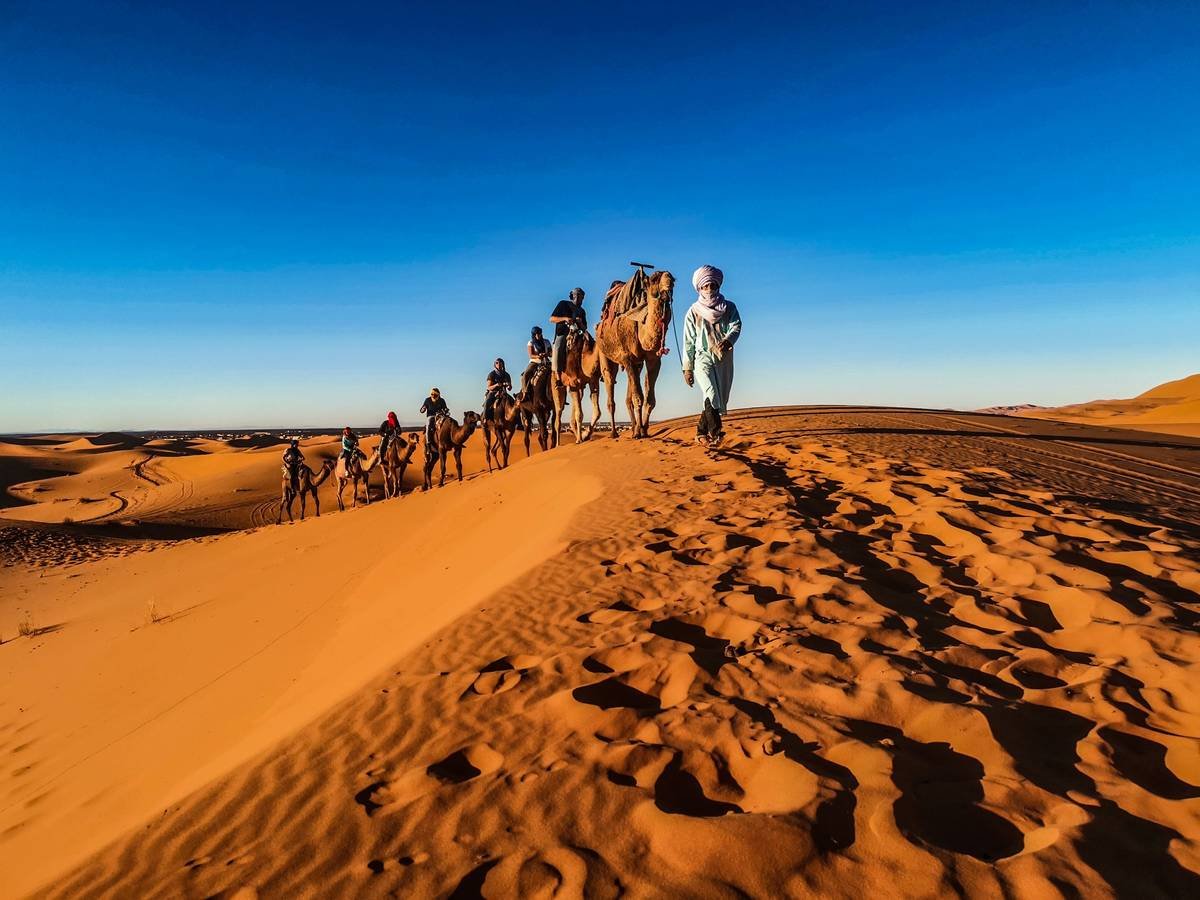
- Head: Wide-brimmed hat (minimum 3-inch brim) OR a traditional cheich (Saharan turban). Bonus: it doubles as a face veil during sandstorms.
- Eyes: UV400 sunglasses—sand reflects up to 25% of UV radiation (WHO).
- Feet: Sturdy, closed-toe trail shoes or ankle-supporting hiking boots. Sand gets everywhere, including between toes. Breathable mesh prevents fungal issues.
What should I wear at night in the Sahara?
Yes, the desert gets cold. Especially November–February. Camps often provide blankets, but you’ll still need:
- Fleece jacket or insulated vest
- Thermal base layer (merino wool or synthetic)
- Beanie or warm head covering (you lose 30% of body heat through your head)
- Thick socks—wool or blend
Top 7 Best Practices for Desert Dressing
- Ditch cotton. It holds moisture, slows evaporation, and increases risk of heat rash or chafing. Opt for quick-dry synthetics or natural fibers like linen (in loose weaves).
- Embrace layering. Mornings start cool, midday burns, evenings freeze. Pack zip-off pants, a packable windbreaker, and a compact fleece.
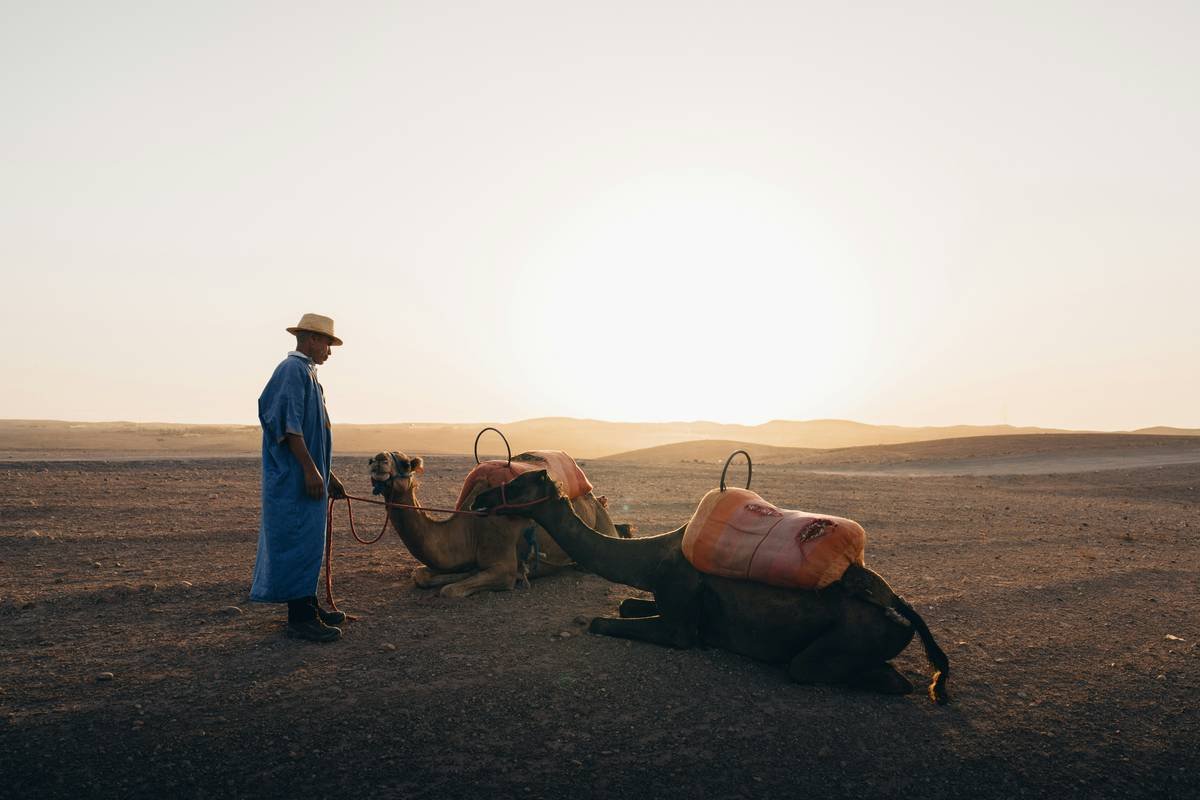
- Cover skin to stay cool. Counterintuitive? Yes. But exposed skin heats faster. Bedouins have worn full robes for centuries—it works.
- Secure your headgear. Wind gusts hit 40 km/h. Use chin straps or tuck scarves tightly.
- Bring two pairs of shoes. One for riding camels/sand (light trail runners), one for rocky terrain (sturdier boots).
- Test everything pre-trip. Never wear new shoes or stiff pants on tour day. Blisters ruin magic.
- Pack a buff or lightweight scarf. For dust, sun, wind, or emergency signaling.
🚨 Terrible Tip Disclaimer
“Just wear a bikini under your robe for quick swims!” Nope. Most Sahara camps don’t have pools, and natural oases are rare, sacred, and often off-limits. Also, modest dress is culturally respectful in Morocco, Algeria, Tunisia, and Egypt. Save the swimwear for coastal stops.
Real-Life Packing Case Study: My Morocco Mistake vs. Tunisia Triumph
The Fail (Merzouga, Morocco – 2019):
I packed cotton tees, yoga pants, and Teva sandals. By midday, my clothes were soaked, my legs were red from sand whip, and my feet had blisters from gripping sand in open shoes. That night? I borrowed a guide’s spare djellaba because I froze in my tank top.
The Win (Douz, Tunisia – 2023):
Armed with lessons learned, I wore:
– Columbia Silver Ridge Lite long-sleeve shirt (UPF 50+)
– Prana Stretch Zion pants (convertible, quick-dry)
– Buff multifunctional headwear
– Keen Targhee Vent hiking shoes
– Patagonia Nano Puff vest for night
Result? Comfortable from sunrise camel ride to stargazing. Zero regrets.
Moral: Preparation turns survival into serenity.
FAQ: What to Wear Sahara Desert Tour
Can I wear shorts in the Sahara?
Technically yes—but strongly discouraged. Exposed skin increases risk of sunburn, sand irritation, and insect bites. Locals and seasoned guides always cover up.
Do I need special footwear for camel rides?
Yes! Closed-toe shoes prevent sand entry and protect ankles from camel stirrups. Avoid flip-flops—they’ll fly off during mounting.
Is makeup okay?
Minimal, sweat-proof products only. Wind + sand + humidity = raccoon eyes by noon. Most travelers go bare-faced—and feel liberated.
Should women cover their hair?
Not mandatory for tourists, but a scarf protects from sun/wind and shows cultural respect. In conservative regions (e.g., southern Algeria), modesty is appreciated.
What about jewelry?
Leave it behind. Sand grinds metals, and lost items vanish forever in dunes. Stick to a simple watch or fitness tracker.
Final Thoughts
Knowing what to wear Sahara desert tour isn’t about looking Instagram-ready—it’s about respecting the environment, protecting your body, and honoring local traditions. The right outfit lets you focus on what matters: golden sunrises over endless dunes, silent nights under Milky Way skies, and the humbling vastness of Earth’s largest hot desert.
Pack smart, dress like a local (but with modern tech fabrics), and you’ll return not just with photos—but with stories of comfort amid extremes.
Like a Tamagotchi, your desert adventure needs daily care—starting with what you wear.
Sun beats on the dune,
Robes whisper secrets of shade—
Camel steps soft moon.

