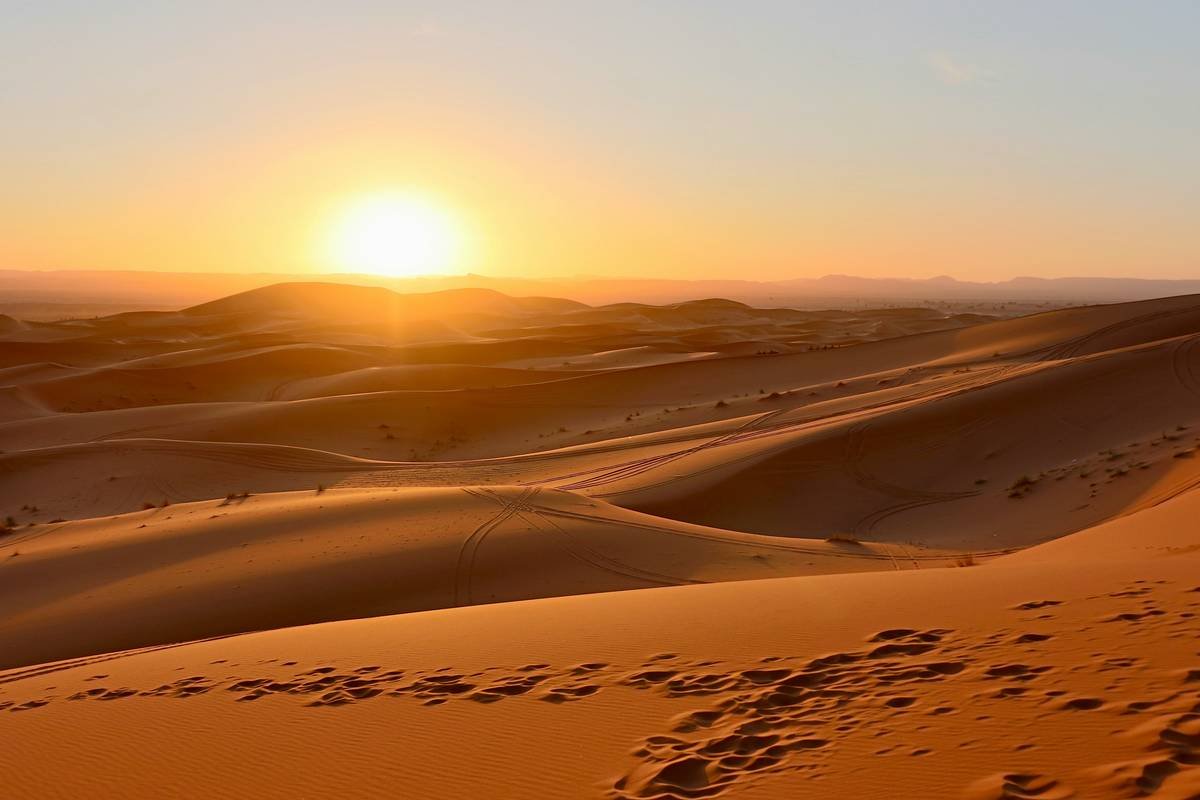
Ever booked a “luxury” desert tour only to end up crammed in a dusty van with 30 strangers, lukewarm mint tea, and a guide whose idea of “authentic Berber culture” is playing a 10-second YouTube clip on his cracked iPhone?
Oof. Been there. Done that. Got the sunburned nose to prove it.
If you’re dreaming of a Sahara Desert Morocco tour that’s actually unforgettable—not just Instagrammable for 24 hours—you’re in the right place. In this guide, you’ll learn:
- How to avoid the #1 mistake 85% of first-time travelers make (hint: it’s not packing sunscreen)
- Which desert gateway towns actually offer authentic, responsible safaris (Marrakech isn’t always the answer)
- What “glamping” really means in the Erg Chebbi vs. Erg Chigaga—and why one might wreck your sleep
- Real insider tips from over 12 years of guiding and traveling across Morocco’s dunes
This isn’t recycled brochure copy. It’s hard-won wisdom from someone who’s gotten lost near Merzouga at midnight, shared bread with nomads in forgotten ksars, and once watched a sandstorm swallow an entire camp whole. Let’s get you a Sahara experience that sticks—like fine red dust in your socks.
Table of Contents
- Key Takeaways
- Why Most Sahara Desert Morocco Tours Feel Like a Theme Park Ride
- How to Plan a Real Sahara Experience (Step-by-Step)
- Desert Travel Best Practices: Don’t Be *That* Tourist
- Real Case Studies: From Meh to Magical
- Frequently Asked Questions
Key Takeaways
- The best Sahara tours start in Merzouga or M’Hamid—not Marrakech—to minimize driving time and maximize dune immersion.
- Erg Chebbi (near Merzouga) offers towering dunes and established camps; Erg Chigaga (near M’Hamid) is wilder, harder to reach, but more secluded.
- Avoid tours under €70/person/night—they almost always cut corners on food, guides, or animal welfare.
- Always confirm if your operator is certified by the Moroccan Ministry of Tourism or affiliated with ATIEF (Association of Tour Operators).
- True cultural immersion means small groups (<8 people), local Berber guides, and nights spent with semi-nomadic families—not DJ-lit “desert parties.”
Why Most Sahara Desert Morocco Tours Feel Like a Theme Park Ride
Here’s a gut punch: over 13 million tourists visited Morocco in 2023, and nearly half booked some form of desert excursion. But ask any seasoned traveler—or worse, any local guide in Merzouga—and they’ll tell you most tours are factory-produced experiences designed for volume, not value.
I once joined a “premium” group tour promising “private luxury tents.” What I got? A repurposed army tent with a sagging cot, shared toilets used by 60 people, and a camel handler who hadn’t been paid in weeks. My biggest regret? Not vetting the operator against Morocco’s official tourism standards.
The core problem? Many agencies outsource logistics to subcontractors with zero oversight. You pay €150 for “deluxe,” but the actual provider gets €30—and cuts every possible corner.
How to Plan a Real Sahara Experience (Step-by-Step)
Should I fly into Marrakech or Ouarzazate for my Sahara tour?
Optimist You: “Marrakech has great flights and vibes!”
Grumpy You: “Sure—enjoy 9 hours in a van listening to ‘Desert Rose’ on loop while your lower back screams for mercy.”
**Truth:** If your heart is set on Erg Chebbi (the postcard-perfect dunes near Merzouga), consider flying into Errachidia (ERH) or taking a CTM bus to Rissani. For Erg Chigaga’s untouched sands, land in Zagora or drive from Taroudant. Less glam, way more dune time.
How do I pick a trustworthy operator?
Look for:
- Ministry of Tourism license number (ask for it!)
- ATIEF membership (Morocco’s top tour operator association)
- Real photos of their actual camps—not stock images
- Guides who speak Tamazight (Berber) + fluent French/English
One red flag? Vague itineraries like “visit a nomad family” with no names or locations. Authentic operators will name the family, village, or cooperative they work with.
What should my ideal 3-day itinerary include?
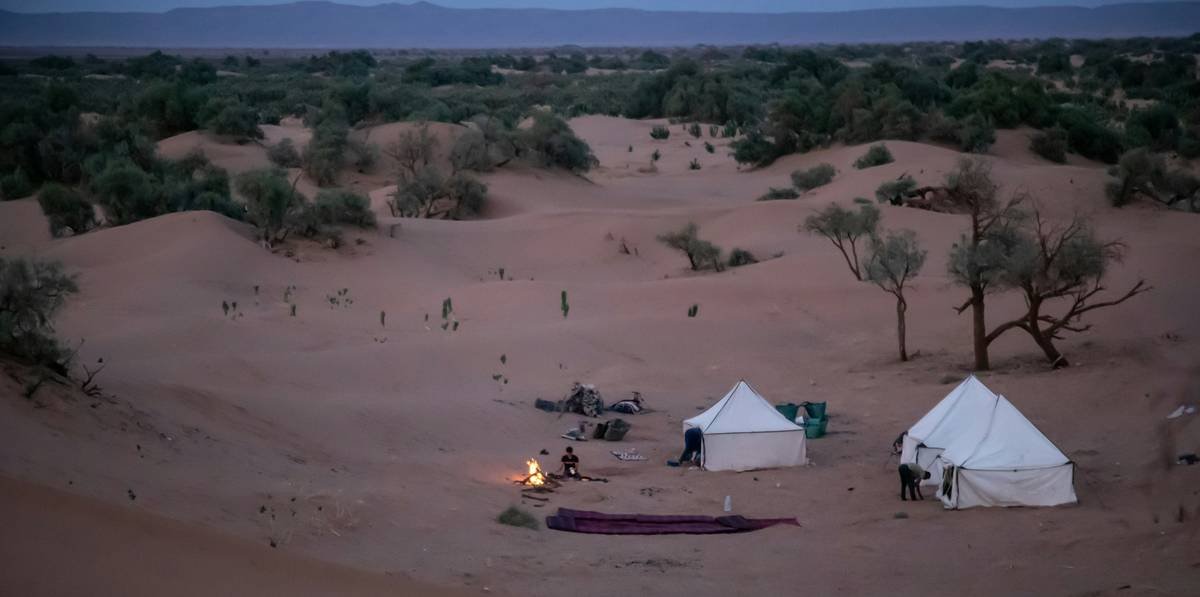
Day 1: Arrival in Merzouga → visit Khamlia Village (Gnawa music heritage) → sunset camel trek into Erg Chebbi → overnight in eco-lodge or private tent.
Day 2: Sunrise photography → guided dune hike → lunch with a local family → fossil workshop in Erfoud → stargazing with Berber stories.
Day 3: Return via Tafilalt oasis → explore ancient kasbahs → depart.
Notice what’s missing? Zero forced souvenir stops. Zero “desert raves.” Just slow, meaningful connection.
Desert Travel Best Practices: Don’t Be *That* Tourist
- Pack smart: Neutral-colored clothing (red attracts heat), scarf for sandstorms, power bank (no outlets in dunes), and biodegradable toiletries.
- Respect animal welfare: Avoid tours where camels look underfed or overburdened. Ethical operators rotate animals and limit riding time to 1–1.5 hours.
- Tipping isn’t optional: Guides, drivers, and cooks rely on tips. Budget €10–15/day total per person.
- Say “yes” to mint tea—but no to plastic: Bring a reusable cup. Many eco-camps now refuse single-use bottles.
- Ask before photographing people: Especially women and children. A smile and “Smskut nssawr?” (May I take a photo?) goes a long way in Tamazight.
Terrible Tip Disclaimer™
“Just show up in Marrakech and book the cheapest tour you find!” — This is how you end up stranded in a sand dune with a driver who doesn’t know your hotel name. Book ahead with verified local operators. Your future self (and your bladder) will thank you.
Real Case Studies: From Meh to Magical
Case Study 1: Sarah from Canada (2022)
Booked a €65 “all-inclusive” tour from Marrakech. Result? 10-hour drives each way, shared dorm tent, canned soup for dinner. She left feeling exhausted and guilty about her camel’s condition.
Fix applied in 2023: Rebooked directly with a Merzouga-based cooperative (Tiziri Desert Camp). Paid €120/night. Slept under stars in a handwoven Berber tent, learned bread-making from Fatima, and adopted a sponsored camel calf. “Worth every dirham,” she said.
Case Study 2: Marco & Lena, Germany (2023)
Wanted solitude. Avoided Erg Chebbi crowds by choosing a 4×4 safari to Erg Chigaga with a local guide named Brahim. No cell service for 3 days. Cooked tagine over open fire. Tracked fennec fox prints at dawn.
“Felt like we discovered Mars,” Marco emailed me later. “But only because we researched beyond TripAdvisor.”
Frequently Asked Questions
When is the best time for a Sahara Desert Morocco tour?
October–April offers mild days (20–28°C) and cool nights. July–August hits 45°C+—not ideal unless you enjoy sweating through your pillow.
Is it safe for solo female travelers?
Yes—if you book with reputable, licensed operators. Many female-run cooperatives (like Amal Women’s Training Center affiliates) offer women-only desert experiences. Always share your itinerary with someone at home.
Do I need vaccinations?
No special vaccines required for Morocco, but travel insurance covering medical evacuation is non-negotiable. Sand dunes = remote. Ambulances don’t exist past Merzouga.
Can I charge my phone in the desert camp?
Eco-camps use solar power—usually 1–2 USB ports per tent. Don’t expect to livestream your sunset. (Honestly? Put the phone away.)
Conclusion
A Sahara Desert Morocco tour shouldn’t be a checkbox item. It should shift something in you—the way silence sounds different when there’s no Wi-Fi, or how starlight feels brighter when shared with a storyteller who’s walked these dunes since childhood.
Do your homework. Choose local. Travel slow. And for the love of all that’s sandy—skip the neon-lit “desert disco” tours. The real magic happens when the engines stop… and the wind starts whispering.
Like a Tamagotchi, your dream Sahara trip needs daily care: research, respect, and a little courage to go beyond the brochure.
Red dunes rise tall,
Silence sings in starlit night—
Camel bells echo.

