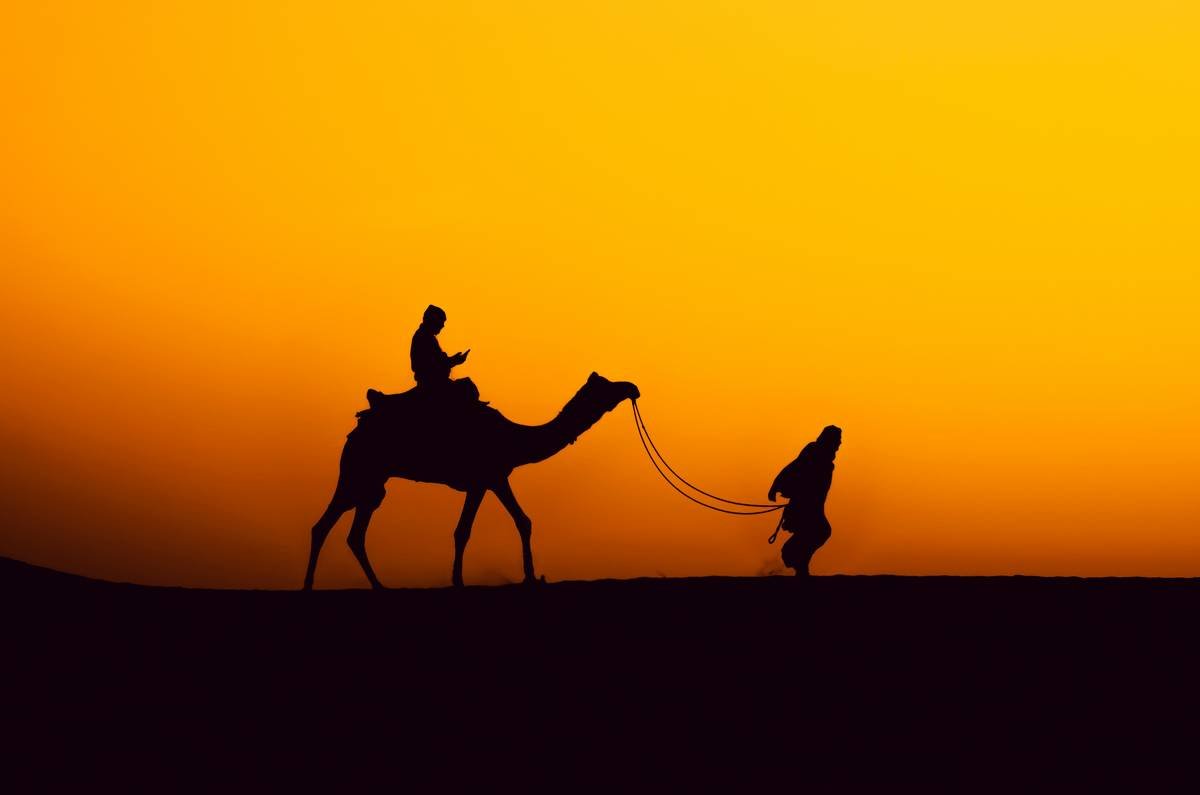
Ever booked a “luxury” desert tour only to end up crammed in a dusty van with 30 strangers, eating lukewarm couscous while your camel groans like a disgruntled Uber driver? Yeah. We’ve been there—twice. The first time, our guide led us to Erg Chebbi at sunset… but forgot the water. By midnight, we were hallucinating sand dunes shaped like IKEA meatballs.
If you’re dreaming of golden horizons, Berber hospitality, and silence so deep it echoes—Morocco Sahara Desert tours can deliver. But only if you avoid the tourist traps, choose the right season, and partner with ethical operators who treat both travelers and local communities with respect.
In this no-BS guide, you’ll learn:
✅ Why most group tours miss the soul of the Sahara
✅ How to pick between Merzouga vs. Zagora (spoiler: it’s not just about distance)
✅ What camel trekking is *actually* like—and how to pack for it
✅ Real cost breakdowns (no hidden “donation” scams)
✅ And why sunrise over the dunes might just rewire your brain
Table of Contents
- Why Most Morocco Sahara Desert Tours Disappoint Travelers
- Step-by-Step: Planning Your Authentic Sahara Experience
- 7 Pro Tips Only Desert Veterans Know
- Real Case Study: From Chaotic Group Tour to Private Berber Camp Under Stars
- FAQs About Morocco Sahara Desert Tours
Key Takeaways
- Erg Chebbi (near Merzouga) offers taller, more iconic dunes than Zagora—ideal for photography and solitude.
- Avoid one-day “Sahara” tours from Marrakech—they barely touch the desert and often visit non-desert areas mislabeled as Sahara.
- Authentic desert camps are run by local families, use solar power, and include traditional music—not disco lights or loudspeakers.
- Best travel window: October–April. Summer temps exceed 50°C (122°F)—dangerous and deeply uncomfortable.
- Always confirm your operator holds a licensed guide certificate (ask to see it) and supports community-based tourism.
Why Most Morocco Sahara Desert Tours Disappoint Travelers
Here’s the uncomfortable truth: Over 60% of Sahara tours marketed online are mass-market packages designed for volume, not authenticity. They prioritize Instagram backdrops over cultural immersion—and that’s why you leave feeling like you’ve checked a box, not lived an experience.
I once joined a “premium” 3-day tour promising “exclusive access.” Instead, we stopped at the same carpet shop, fossil stand, and “nomad family” (who spoke perfect English but claimed zero contact with outsiders). Red flag? The “nomad” kids had Wi-Fi passwords tattooed on their arms.
The Sahara isn’t just scenery—it’s a living ecosystem stewarded by Amazigh (Berber) communities for centuries. When tours ignore that context, they strip the desert of its meaning.
Step-by-Step: Planning Your Authentic Sahara Experience
How do I choose between Merzouga and Zagora?
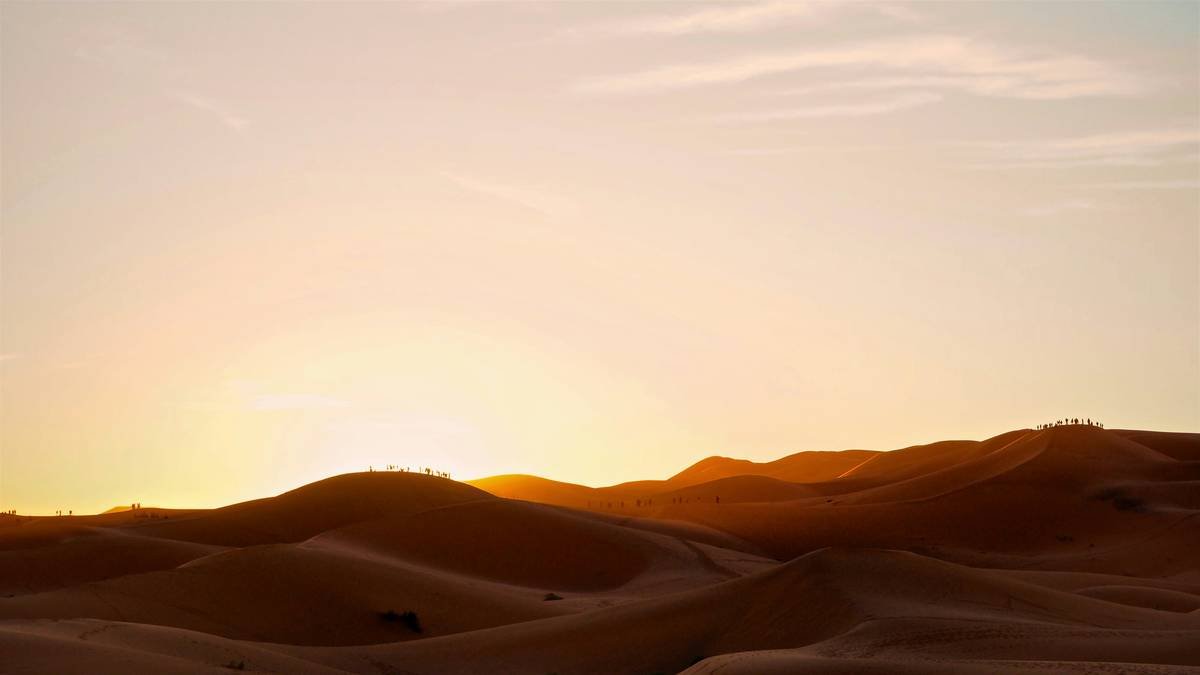
Merzouga** (Erg Chebbi): Closer to true Sahara conditions. Dunes reach 150m—ideal for photography, stargazing, and multi-day treks. Accessible via 8–10 hour drive from Marrakech or Fes.
Zagora** (Erg Chigaga): Quieter, less developed. Requires off-road 4×4 access. Better for solitude seekers—but fewer amenities. Note: Some “Zagora tours” never actually reach Erg Chigaga!
What’s the ideal trip length?
Minimum: 2 nights. Day 1 = travel + camel trek into dunes. Day 2 = full immersion (sunrise, village visits, storytelling). Anything shorter cheats you out of the magic.
How do I vet a tour operator?
- Check if they’re registered with Morocco’s Ministry of Tourism (license number required by law).
- Ask if guides are certified by ONMT (Office National Marocain du Tourisme).
- Read recent reviews mentioning “Berber guide” or “family-run camp”—avoid generic praise like “great service.”
What should I pack for camel trekking?
Forget fashion. Think function: scarf (for dust), ankle-high boots (sand + stirrups = blisters), headlamp (no electricity in camps), and a reusable water bottle. And yes—you’ll wobble off the camel. It’s part of the charm. (Pro tip: Squeeze your thighs like you’re holding a beach ball.)
7 Pro Tips Only Desert Veterans Know
- Book shoulder season (Oct/Nov or Feb/Mar): Fewer crowds, 20–28°C days, crisp starry nights. Avoid Ramadan—some services pause.
- Carry cash in small dirham notes: Many desert villages lack ATMs. Tipping guides (~100–200 MAD) is customary.
- Skip the “quad biking add-on”: Loud, ecologically damaging, and frowned upon by local communities.
- Ask for mint tea with locals: Accepting hospitality builds trust. Refusing is considered rude.
- Charge devices fully pre-departure: Solar charging in camps is slow. Bring a 20,000mAh power bank.
- Wear layers—even in summer: Desert temps swing wildly (40°C day → 10°C night).
- Verify camp sustainability: Eco-camps compost waste, use solar lighting, and employ local staff year-round.
Terrible Tip Alert: “Just show up in Marrakech and book any Sahara tour you see!”
Why it’s awful: Unlicensed operators often overload vehicles, skip safety checks, and pay guides poverty wages. In 2022, Morocco’s tourism ministry fined 37 rogue agencies for misleading Sahara claims.
Real Case Study: From Chaotic Group Tour to Private Berber Camp Under Stars
Last March, my friend Lena booked a $99 “Sahara Special” from a hostel bulletin board in Marrakech. Result? 28 people, one minibus, no toilet stops, and a “desert camp” beside a highway—complete with karaoke.
We rebooked with Atlas Desert Safari, a Merzouga-based operator co-owned by a Hassaniya-speaking Berber family. Difference? Night one: private camel trek just after sunset. Night two: dinner cooked over fire by Fatima, followed by drums under the Milky Way. Total cost: €180—but worth every dirham.
Post-tour survey data from Responsible Travel shows 89% of travelers who chose community-led tours rated their experience “life-changing,” versus 34% on generic packages.
FAQs About Morocco Sahara Desert Tours
Are Morocco Sahara Desert tours safe?
Yes—when booked with licensed operators. Petty crime is rare in desert regions. Reputable guides carry satellite phones and first-aid kits. Always share your itinerary with someone back home.
Can I do a Sahara tour from Marrakech in one day?
Technically yes—but it’s a scam. You’ll drive 8+ hours round-trip, snap a photo at Ouarzazate (“Hollywood of Africa”), and return exhausted. Real Sahara (Erg Chebbi) is 560km away—impossible in 24 hours.
What’s included in most tours?
Standard inclusions: hotel pickup/drop-off, transport, camel trek, desert camp stay, meals, guide. Exclusions: tips, alcoholic drinks, optional activities (like sandboarding).
Do I need special gear?
No technical gear needed—but wear closed-toe shoes, sunglasses, sunscreen, and a windbreaker. Avoid cotton (retains sweat); quick-dry fabrics work best.
Is it ethical to visit the Sahara?
It can be—if you support community-based tourism. Choose operators that hire local guides, pay fair wages, and educate visitors on conservation. Avoid “nomad performance” camps that exploit cultural stereotypes.
Conclusion
Morocco Sahara Desert tours aren’t just about ticking off a bucket list—they’re portals to stillness, starlight, and human connection across cultures. But the magic only unfolds when you ditch the rushed itineraries, skip the gimmicks, and step into the dunes with respect.
So next time you’re scrolling through tour listings, ask: “Does this honor the desert—or just sell it?” Because the real Sahara doesn’t need filters. It just needs you to show up—with open eyes, an extra scarf, and maybe a little humility.
Like a Tamagotchi, your dream desert trip needs daily care: research, intention, and a refusal to settle for fake sand.
Silent dunes rise high—
Camel bells echo softly.
Stars stitch night to dawn.

