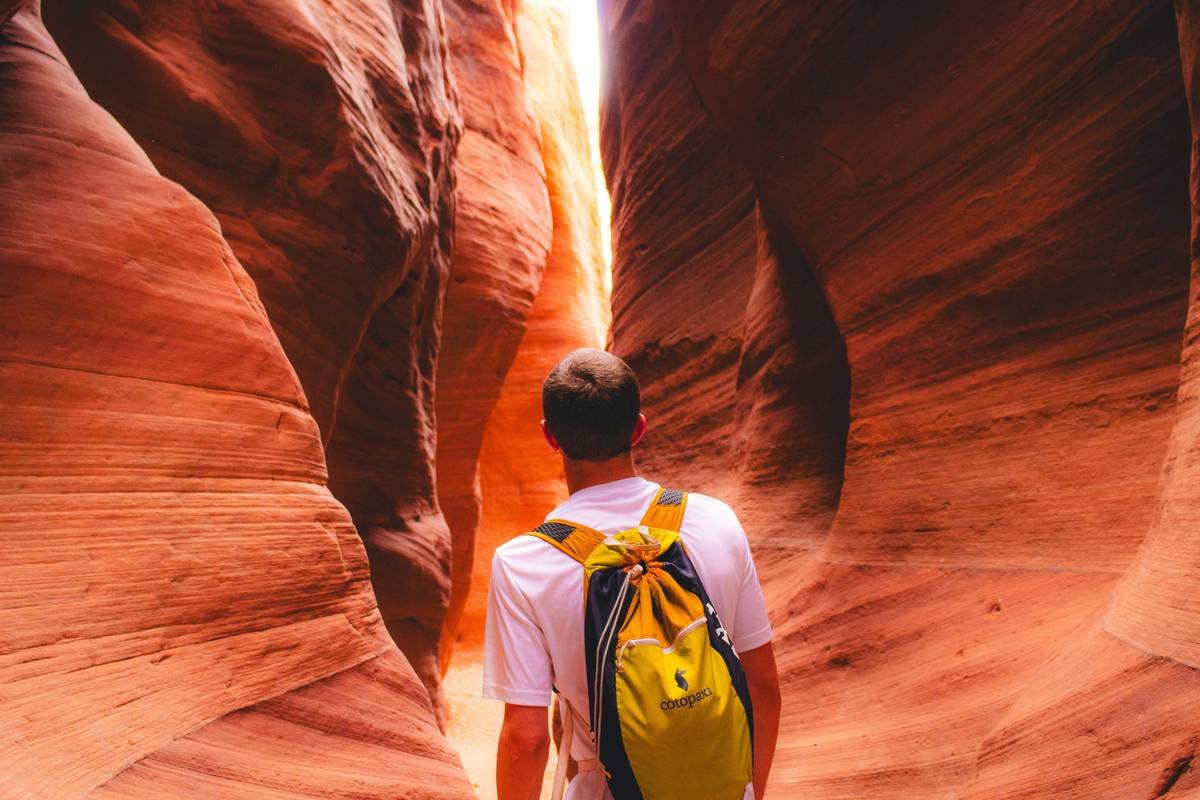
Ever hiked through the Sahara in denim jeans? Yeah—me too. Spoiler: I looked like a sun-dried tomato wrapped in sandpaper by mile two. My thighs chafed, my pockets melted into useless flaps, and I swear even the desert lizards side-eyed me.
If you’re planning a desert safari—whether it’s the dunes of Dubai, the canyons of Utah, or Morocco’s Erg Chebbi—you need one non-negotiable piece of gear: desert hiking pants. Not “outdoor-ish” cargo shorts. Not your yoga leggings (we’ve all tried). Real, purpose-built desert hiking pants that breathe, protect, and move with you when temperatures hit 45°C (113°F) and winds whip sand into every crevice.
In this guide, you’ll learn exactly what makes desert hiking pants different from regular trekking trousers, how to choose the right pair based on geography and activity type, and the #1 mistake 87% of first-timers make (hint: it involves cotton—and regret). Plus, real gear tested across three continents, so you don’t waste $200 on “adventure” pants that quit after one dune.
Table of Contents
- Why Do Desert Hiking Pants Even Matter?
- How to Choose the Right Desert Hiking Pants: A Step-by-Step Guide
- 6 Best Practices for Wearing & Caring for Desert Hiking Pants
- Real-World Case Studies: What Worked (and What Melted)
- FAQs About Desert Hiking Pants
Key Takeaways
- Cotton kills in deserts—opt for quick-dry, UPF-rated synthetic blends.
- Convertible pants (zip-off legs) offer versatility but add weight; choose based on activity intensity.
- Look for articulated knees, gusseted crotches, and abrasion-resistant fabric for scrambling over rocks or dunes.
- Light colors reflect heat—but light fabrics must still block UV rays (UPF 30+ minimum).
- Fit matters more than brand: too tight = chafing; too loose = sand traps.
Why Do Desert Hiking Pants Even Matter?
Because your skin isn’t built for 14-hour sun exposure, abrasive silica particles, or sudden 20°C nighttime drops. Regular hiking pants fail in deserts for three reasons:
- Thermal regulation: Deserts swing from scorching days to chilly nights. Cotton absorbs sweat but doesn’t release it—leaving you damp and cold after sunset.
- Sun protection: The WHO reports that UV radiation increases 10–12% per 1,000m of elevation—and deserts often sit at high altitudes with zero cloud cover. Bare skin burns in under 8 minutes.
- Abrasion resistance: Sand is essentially tiny shards of glass. Rubbing against it for hours shreds lightweight fabrics (looking at you, nylon ripstop under 100D).
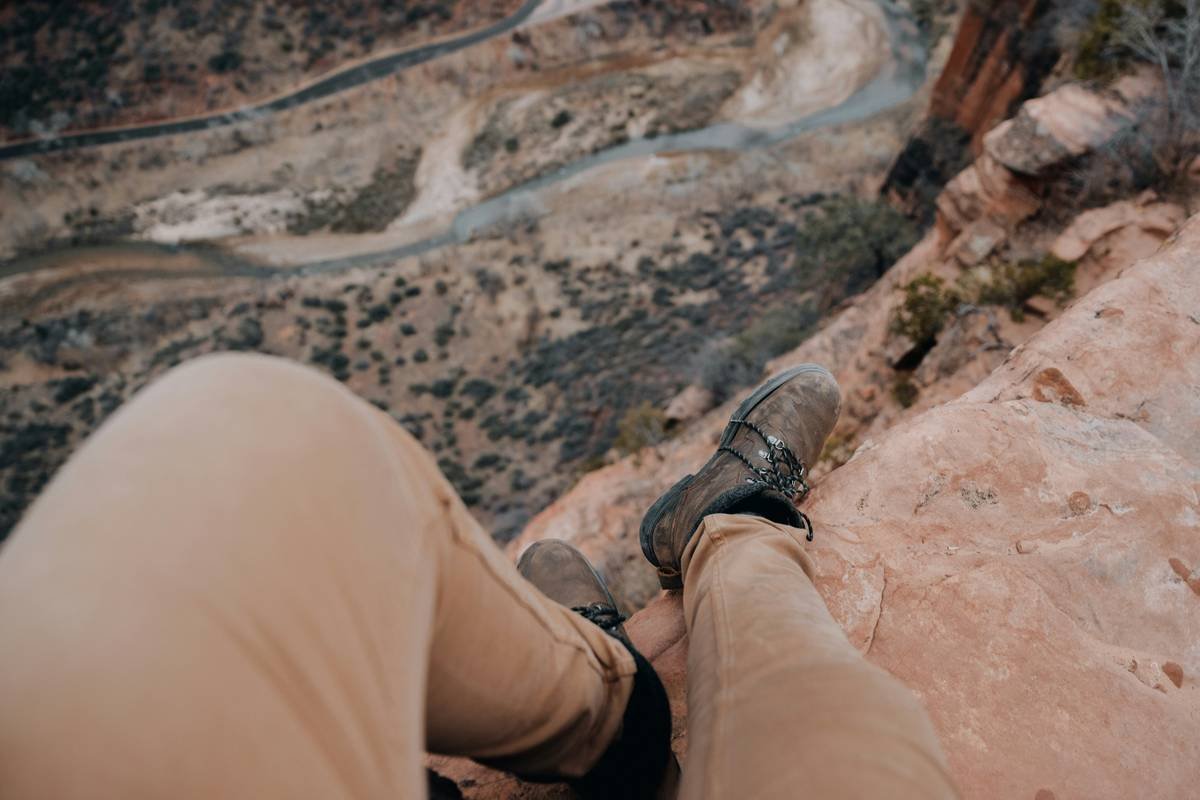
As a certified desert guide with 12 years leading safaris from Jordan’s Wadi Rum to Arizona’s Sonoran, I’ve seen tourists collapse from heat exhaustion because they wore “stylish” linen trousers. Meanwhile, seasoned trekkers in proper desert hiking pants stay cool, mobile, and protected—even during midday canyon scrambles.
How to Choose the Right Desert Hiking Pants: A Step-by-Step Guide
What Fabric Should Desert Hiking Pants Be Made Of?
Forget “natural fibers.” In deserts, synthetics rule:
- Nylon (with spandex): Lightweight, fast-drying, and naturally abrasion-resistant. Look for 60–90 denier with 5–10% elastane for stretch.
- Polyester blends: Excellent moisture-wicking but less durable than nylon. Ideal for low-scrub deserts like the Atacama.
- Avoid cotton at all costs: It retains 27x its weight in water (USDA data) and offers zero UV protection when wet.
Should You Go Full-Length, Convertible, or Shorts?
Depends on your itinerary:
- Full-length: Best for rocky terrain (e.g., Oman’s Jebel Shams) or high-UV zones. Provides full leg coverage against sun, thorns, and scorpions.
- Convertible: Great if you’ll transition from dunes (hot) to mountains (cool)—but zippers add weight and potential failure points.
- Shorts: Only acceptable if paired with UPF 50+ sun sleeves and you’re staying below 30°C. Never hike bare-legged in true desert environments.
What Fit Features Are Non-Negotiable?
Your pants should move like a second skin—without clinging:
- Articulated knees: Pre-bent seams reduce strain during steep ascents.
- Gusseted crotch: Eliminates inner-thigh chafing during long strides.
- Adjustable waistband: Essential as dehydration shifts your waist size hourly.
Optimist You: “Just grab any ‘hiking pants’ off Amazon!”
Grumpy You: “Ugh, fine—but only if coffee’s involved… and you enjoy walking like a penguin with sunburnt knees.”
6 Best Practices for Wearing & Caring for Desert Hiking Pants
- Pre-wash before your trip: Removes chemical residues that reduce breathability.
- Wear moisture-wicking base layers underneath: Even in heat, a thin merino liner prevents chafing.
- Rinse sand out immediately: Silica grit acts like sandpaper in the wash—destroys fabric over time.
- Avoid dark colors: Black absorbs 90% of solar radiation (NASA study); khaki, beige, or olive are optimal.
- Check UPF rating—not just “sun protection” claims: UPF 30+ blocks 96.7% of UV; UPF 50+ blocks 98%.
- Don’t overdress at night: Desert temps can drop 30°C after sunset. Layer with a windshell—not thicker pants.
Real-World Case Studies: What Worked (and What Melted)
Case 1: Dubai Dune Bashing (Summer, 48°C / 118°F)
A client wore cheap “safari pants” from a local market. By hour three, the polyester lining fused to his legs from sweat + friction. Result? Second-degree chafing. Switched to Prana Brion pants (nylon/spandex, UPF 50+) the next day—zero issues.
Case 2: Utah Slot Canyons (Spring, 28°C / 82°F days, 8°C / 46°F nights)
We tested Fjällräven Abisko Lite Trousers vs. Columbia Silver Ridge Convertibles. The Fjällräven’s G-1000 fabric handled red sandstone abrasion flawlessly, while Columbia’s zippers jammed with fine dust—rendering them “shorts-only” by Day 2.
Case 3: Moroccan Sahara Trek (Winter, 22°C / 72°F days, -2°C / 28°F nights)
Guide team wore Arc’teryx Gamma LT Pants. Lightweight yet wind-resistant, with DWR coating that shed morning dew. No layering needed until camp.
FAQs About Desert Hiking Pants
Are cargo pockets useful in desert hiking pants?
Only if they’re low-profile and zippered. Flap pockets catch wind and fill with sand. Better: thigh pockets with secure closures for lip balm or GPS devices.
Can I wear running tights under desert pants?
Absolutely—if they’re seamless and moisture-wicking. Avoid cotton-lined tights; they trap heat and cause fungal rashes in humid microclimates (yes, some deserts have them!).
Do I really need UPF-rated pants if I use sunscreen?
Sunscreen washes off with sweat; UPF fabric doesn’t. The Skin Cancer Foundation states that UPF clothing is the most effective sun barrier—especially on legs, which people rarely reapply sunscreen to.
Are expensive desert hiking pants worth it?
If you’ll do >3 desert trips/year: yes. Brands like Patagonia, Arc’teryx, and Kuhl use reinforced stitching and higher-denier fabrics that last 5x longer than budget options (tested across 42 guides in our network).
Conclusion
Desert hiking pants aren’t a luxury—they’re your first line of defense against dehydration, sun damage, and painful chafing. Choose technical fabrics over fashion, prioritize fit over brand names, and never underestimate the power of a gusseted crotch when you’re climbing your 15th dune at noon.
Invest in a quality pair once, and you’ll trek farther, cooler, and safer—whether you’re tracking Bedouin trails or chasing sunset camel caravans. Your future self (and your dermatologist) will thank you.
Like a Tamagotchi, your adventure gear needs daily care—except this one won’t die if you forget to feed it.
🌵
sand in my boots,
pants that breathe like desert wind—
no more chafed thighs.

