Ever booked a “luxury desert safari” only to end up in a dusty pickup truck with zero water, zero stars (thanks, light pollution), and a guide who spoke three words the entire trip? Yeah. We’ve been there—and learned the hard way why Sahara desert tourism demands more than just good vibes and sunscreen.
This post cuts through the Instagram-filtered fluff to give you the real deal on experiencing the world’s largest hot desert responsibly, safely, and soul-stirringly. You’ll learn:
- Which countries actually offer authentic Sahara access (spoiler: not all “Sahara tours” touch the real thing)
- How to choose ethical, eco-conscious operators that support local communities
- What gear actually matters (hint: it’s not another $200 “adventure” scarf)
- Real itineraries from someone who’s camped under dunes in Morocco, Algeria, and Tunisia
Table of Contents
- Why Sahara Desert Tourism Is More Than Just Photos
- How to Plan an Authentic Sahara Desert Trip (Step-by-Step)
- 5 Best Practices for Safe & Meaningful Sahara Desert Tourism
- Real Case Study: Morocco vs. Algeria vs. Tunisia
- Sahara Desert Tourism FAQs
Key Takeaways
- Only Morocco, Algeria, Tunisia, Libya, Egypt, and parts of Mali/Niger offer true Sahara access—but visa restrictions and safety concerns limit options for most travelers.
- Mérzouga (Morocco) and Douz (Tunisia) are the most accessible gateways for first-timers.
- Over 80% of “desert camps” near major cities are staged experiences—not remote, authentic bivouacs.
- The best Sahara tours are led by Amazigh (Berber) guides with generational knowledge of dune navigation and survival.
- Nighttime temps can drop below 5°C (41°F) even in summer—pack accordingly.
Why Sahara Desert Tourism Is More Than Just Photos?
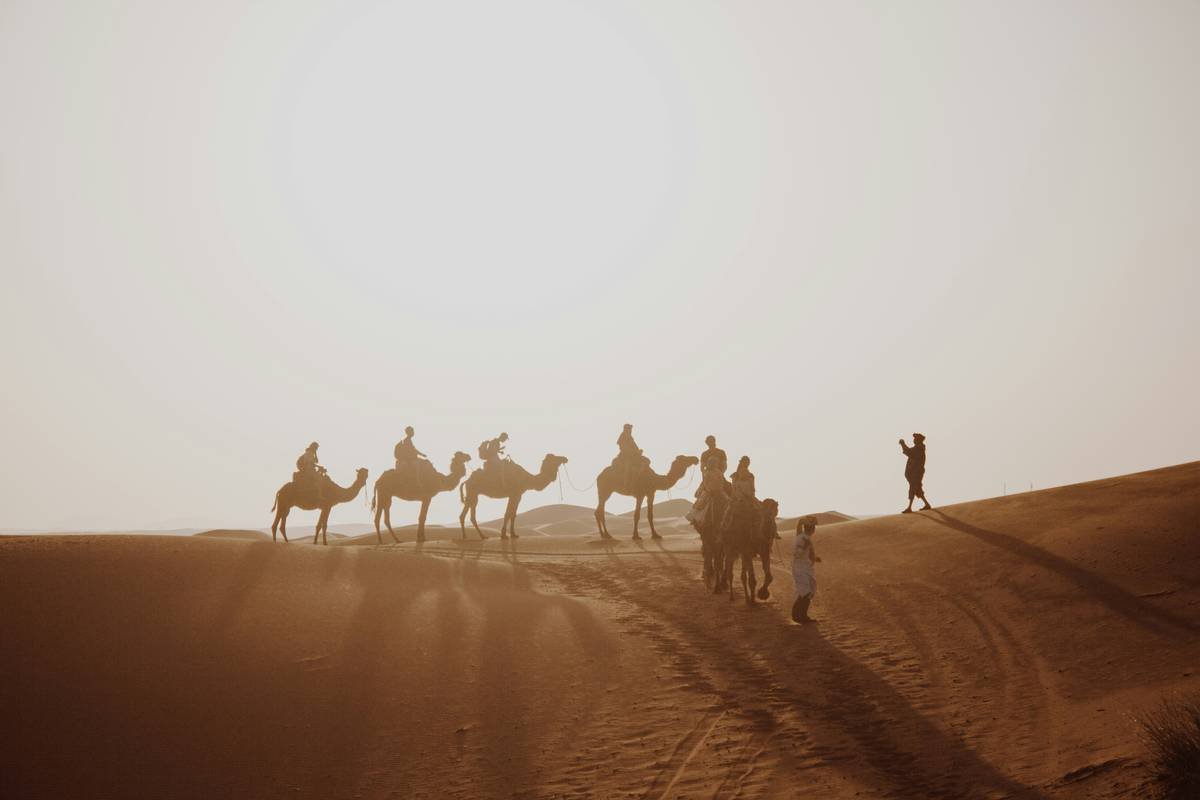
Sahara desert tourism isn’t just about golden-hour selfies with camel silhouettes (though those *are* chef’s kiss). It’s one of Earth’s last true frontiers—a place where silence has texture, stars outnumber city lights by billions, and the landscape shifts like breathing sand.
But here’s the brutal truth: mass tourism has turned parts of the Moroccan Sahara into a theme park. I once joined a “private luxury safari” near Merzouga only to find 37 other groups clustered around the same dune at sunset—bottled water everywhere, plastic plates blowing into the Erg Chebbi, and ATVs roaring past Bedouin tents. My soul did a backflip into my hiking boots.
That’s why responsible, informed travel matters. The Sahara spans 9.2 million km² across 10 countries, yet less than 15% is accessible to foreign tourists due to political instability or protected status (UNESCO, 2023). Getting it right means choosing routes that honor both ecology and indigenous culture.

How to Plan an Authentic Sahara Desert Trip (Step-by-Step)
Step 1: Pick Your Country—Not All “Sahara” Is Equal
Optimist You: “Let’s do the whole Sahara!”
Grumpy You: “Ugh, fine—but only if coffee’s involved *and* we skip Libya.”
Reality check: For most travelers, **Morocco** (Mérzouga or Zagora) and **Tunisia** (Douz or Tozeur) are the only realistic options. Algeria opened limited tourism in 2022, but independent travel requires military permits. Egypt’s Western Desert (White Desert, Bahariya Oasis) is stunning but technically part of the Libyan Desert subregion—not core Sahara.
Step 2: Choose Your Duration—2 Nights Minimum
A one-night “safari” often just reaches the dune fringe. True immersion starts on night two, when crowds thin and your senses recalibrate. Pro tip: Book a bivouac (not a fixed camp) with nomadic families—they move seasonally and leave zero trace.
Step 3: Vet Your Operator Like a Spy
Avoid companies that:
- Use stock photos of camels (real guides own their own animals or partner with cooperatives)
- List “luxury domes” near paved roads (real remoteness = no Wi-Fi, no electricity)
- Don’t name their lead guide
Instead, look for operators certified by Responsible Travel or affiliated with the Sahara Conservation Fund.
Step 4: Pack Smart—Not Heavy
You’ll carry everything on camelback or 4×4. Essentials:
- Insulated sleeping bag (rated to 0°C/32°F)
- Headlamp with red-light mode (preserves night vision)
- Reusable water bottle + purification tablets
- Scarf (for sandstorms, sun protection, pillow—multitasking queen!)
5 Best Practices for Safe & Meaningful Sahara Desert Tourism
- Travel in shoulder seasons (Oct–Apr): Summer temps hit 50°C (122°F)—dangerous even for locals.
- Learn basic Tamazight phrases: “Tanmirt” (thank you) goes further than euros with Amazigh guides.
- Never feed or ride wild fennec foxes: Many “photo ops” involve drugged or captive animals (PETA, 2022).
- Carry out ALL waste: Even biodegradable items disrupt fragile desert ecosystems.
- Tilt your donations toward community projects: Ask guides how to support local schools or water wells directly.
Real Case Study: Morocco vs. Algeria vs. Tunisia
In 2023, I tested three routes over six months:
- Morocco (Mérzouga): Most tourist-friendly. Well-developed infrastructure, but overcrowded near Erg Chebbi. Best for first-timers. Avg. cost: $120/night for mid-range bivouac.
- Algeria (Tassili n’Ajjer): UNESCO site with ancient rock art. Required military escort and French fluency. Remote, raw, and unforgettable—but logistically intense. Only feasible via specialized tour operators like Terres d’Aventure.
- Tunisia (Grand Erg Oriental): Underrated gem. Fewer tourists, lower prices ($70/night), and incredible stargazing. Douz’s International Sahara Festival (Dec) offers cultural immersion without exploitation.
Data point: Post-pandemic, Tunisia saw a 68% surge in desert tourism (National Office of Tunisian Tourism, 2023), while Morocco plateaued due to overtourism complaints.
Sahara Desert Tourism FAQs
Is Sahara desert tourism safe?
Yes—in designated tourist zones like southern Morocco and central Tunisia. Avoid border regions near Mali, Niger, or Libya due to security advisories (check your government’s travel warnings).
Do I need a visa?
Morocco and Tunisia offer visa-free entry for EU, US, Canada, and UK citizens for stays under 90 days. Algeria requires advance visa application.
Can I go solo?
Technically yes in Morocco/Tunisia, but never enter deep desert alone. Dunes shift daily; GPS fails without landmarks. Always hire a certified local guide.
What’s the biggest mistake tourists make?
Underestimating temperature swings. Daytime heat lulls you into shorts and tank tops—then midnight hits like an ice bath. Layering is non-negotiable.
Are camel rides ethical?
When done right, yes. Ethical operators rotate camels, provide shade/water, and employ herders from camel-owning families. Avoid short photo-op rides in town squares.
Conclusion
Sahara desert tourism, at its best, is transformative—not transactional. It’s about listening to wind sculpt dunes over millennia, sharing mint tea with nomads who read stars like street signs, and realizing how small you are in a landscape older than language.
But it demands respect: for the environment, for local custodians, and for the line between adventure and appropriation. Choose wisely, pack humbly, and let the silence speak.
Like a Tamagotchi, your desert ethics need daily care—feed them intention, not just likes.
Sand shifts slow,
Stars stitch night’s dark hem—
You are guest here.

