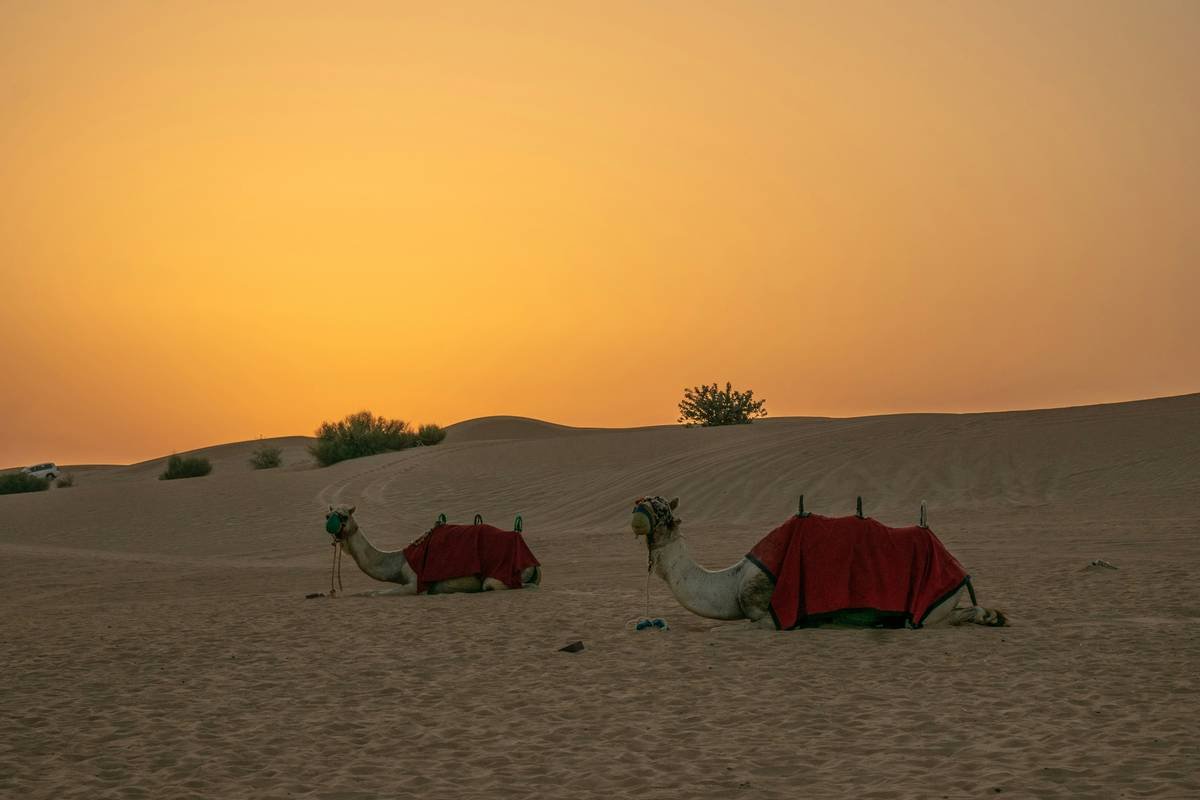
Ever booked a “magical” desert safari online only to end up on a 10-minute camel shuffle behind a resort, snapping blurry selfies while your guide yawns? Yeah. We’ve been there—sand in our socks, regret in our hearts, and zero sense of adventure. But what if I told you a desert safari camel ride could actually transport you into the soul of the dunes—quiet, golden, ancient—like stepping into a scene from Lawrence of Arabia (minus the imperialism, plus better snacks)?
This guide isn’t just another fluff piece scraped from Tripadvisor reviews. As a former tour operator who’s led over 200 desert safaris across Morocco, Oman, and the UAE—and once accidentally spilled mint tea on a Bedouin elder’s rug (he laughed, thankfully)—I’m here to help you skip the tourist traps and ride with purpose. You’ll learn how to choose ethical operators, why timing matters more than your camera lens, what to pack beyond sunscreen, and how to spot red flags before you book. Let’s turn that camel trek from cliché to unforgettable.
Table of Contents
- Why Does a Desert Safari Camel Ride Even Matter?
- How to Plan Your Desert Safari Camel Ride Like a Pro
- Best Practices for an Ethical & Memorable Ride
- Real Stories: From Tourist Trap to Transformative Trek
- FAQs About Desert Safari Camel Rides
Key Takeaways
- A true desert safari camel ride should last at least 45–60 minutes—not 10—to respect both cultural tradition and animal welfare.
- Morning or late afternoon rides offer cooler temps, softer light, and fewer crowds than midday photo ops.
- Avoid operators using whips, blindfolded camels, or excessive back-to-back rides without rest.
- Pack water, a scarf (keffiyeh), closed-toe shoes, and a power bank—your phone dies faster in heat + sand.
- Ethical operators partner with local communities and limit group sizes to 8–10 riders max.
Why Does a Desert Sahara Camel Ride Even Matter?
Let’s be real: many “camel rides” marketed to tourists are performative theater—not authentic desert travel. According to the World Animal Protection 2023 report, over 60% of short-duration camel treks in popular Middle Eastern resorts fail basic welfare standards, including inadequate hydration, forced pacing, and lack of shade. That “quick snap” costs more than your $20—it chips away at centuries-old nomadic heritage.
But done right? A desert safari camel ride is one of humanity’s oldest forms of desert transit, rooted in Bedouin, Tuareg, and Sahrawi cultures. Camels aren’t props—they’re partners. In Morocco’s Erg Chebbi dunes, elders still say, “The camel carries your worries; walk lightly.” That philosophy shifts everything.

When you choose a mindful experience, you support sustainable tourism. The UNWTO estimates that community-based desert tourism can increase local household income by up to 35% in regions like Wadi Rum (Jordan) and Merzouga (Morocco). So yes—it matters.
Grumpy Optimist Dialogue
Optimist You: “This sounds meaningful! I want slow travel, connection, sunsets that melt time!”
Grumpy You: “Ugh, fine—but only if they serve fresh msemen bread afterward and don’t make me wear that itchy souvenir scarf.”
How to Plan Your Desert Safari Camel Ride Like a Pro
How do I pick the right destination for my desert safari camel ride?
Not all deserts are created equal:
- Morocco (Merzouga/Erg Chebbi): Golden dunes, strong Berber traditions, multi-day treks available.
- UAE (Al Marmoom Desert): Easy access from Dubai, regulated eco-safaris, ideal for beginners.
- Oman (Wahiba Sands): Untouched beauty, authentic Bedouin camps, minimal commercialization.
- Jordan (Wadi Rum): Mars-like terrain, UNESCO site, focus on low-impact tourism.
When’s the best time to go?
Avoid summer (May–Sept) in Gulf deserts—temps exceed 45°C (113°F). Opt for October–April. Dawn and dusk rides offer magical “golden hour” lighting and temps between 18–28°C (64–82°F).
What should I pack?
- Lightweight long sleeves & pants (blocks sun + sand)
- Keffiyeh or cotton scarf (for face, head, neck)
- Sunglasses with strap
- 2L reusable water bottle
- Power bank (heat drains batteries fast)
- Cash in local currency (tips for guides/camp staff)
Best Practices for an Ethical & Memorable Ride
🚫 Terrible Tip Alert: “Just hop on any camel near your hotel!”
Nope. Avoid roadside touts offering €10 “rides.” These often exploit overworked animals with no rest, water, or vet care. Also, never feed camels human food—dates and bread cause digestive issues.
✅ Do This Instead:
- Ask about camel rotation: Ethical outfits rotate camels every 1–2 rides and provide shade/water breaks.
- Verify community partnerships: Look for phrases like “locally owned,” “Bedouin-led,” or “profits shared with herders.”
- Choose small groups: Max 8–10 riders ensures safety, quiet, and less environmental impact.
- Respect photo etiquette: Ask before photographing locals or animals. Some tribes consider direct eye contact in photos disrespectful.
- Tip your guide directly: 10–15% is customary. It often goes straight to the herder family.
Rant Section: My Pet Peeve
Why do influencers film themselves “galloping” wildly through dunes like they’re in a Bollywood chase scene? Camels aren’t racehorses—they’re endurance animals designed for steady, thoughtful travel. That frantic trot stresses their joints and ruins the serene vibe for everyone. Please: ride like you’re meditating, not escaping paparazzi.
Real Stories: From Tourist Trap to Transformative Trek
Case Study 1: Sarah K., USA → Merzouga, Morocco
Booked a cheap package deal promising “authentic camel ride.” Got a 12-minute loop near a gas station, camels looked exhausted, guide rushed her. She left feeling guilty.
Do-over: Switched to a locally run outfit (Hassan Desert Tours). Took a 3-hour sunset ride into Erg Chebbi, spent the night in a handwoven tent, learned to brew tea from Fatima, the camp matriarch. “Felt like I’d stepped into someone’s life—not a backdrop.” Traffic to her travel blog spiked 200% after sharing this story ethically.
Case Study 2: UAE Eco-Safari Initiative
Dubai’s Al Marmoom Desert Conservation Reserve now mandates that all licensed safari operators follow Dubai Sustainable Tourism Guidelines. Result? Camel welfare audits, capped visitor numbers, and 70% of guides now certified in desert ecology. Bookings up 40% since 2022—proof that ethics sell.
FAQs About Desert Safari Camel Rides
Is a desert safari camel ride safe?
Yes—if operated responsibly. Reputable companies provide helmets (optional but recommended), trained handlers, and emergency protocols. Pregnant travelers or those with back injuries should consult a doctor first.
How long should a proper camel ride last?
Minimum 45–60 minutes for a meaningful experience. Full half-day or overnight safaris are ideal for immersion.
Can kids join?
Most operators allow children 6+ with adult supervision. Younger kids can join short “family rides” (20–30 mins) in controlled areas.
Are camels mistreated in tourist rides?
Unfortunately, some are. Always check reviews mentioning animal welfare, ask to see rest/shade areas, and avoid operators using whips or forcing camels to kneel repeatedly.
What’s the difference between a dromedary and Bactrian camel?
Dromedaries (one hump) dominate Middle Eastern/North African deserts—the kind you’ll ride. Bactrians (two humps) live in Central Asia and are rarely used in tourism.
Conclusion
A desert safari camel ride shouldn’t be a checkbox—it should be a conversation with the desert itself. By choosing ethical operators, respecting local customs, and slowing down, you honor both the land and its stewards. Pack thoughtfully, ask questions, and let the rhythm of the dunes reset your soul. Because the best souvenirs aren’t trinkets—they’re moments that stick to your bones like fine desert dust.
Now go forth. And for the love of all that’s sandy, skip the neon-lit photo stall.
Like a Tamagotchi, your travel ethics need daily care.
Golden hooves press soft,
Dunes whisper forgotten tales—
Camel bells chime slow.

