
Ever booked a “desert safari” only to realize you’re just bouncing around dunes in a Jeep while someone force-feeds you stale dates and Instagram poses? Yeah. We’ve all been there. But what if I told you that beneath those golden sands lie ancient trade routes, abandoned caravan cities, and rock carvings older than the Pyramids? Historical sand trips aren’t just tours—they’re time machines. And if you’re still treating the desert like a backdrop for sunset selfies, you’re missing 80% of its story.
In this guide, you’ll discover how to choose authentic historical sand trips that blend archaeology, anthropology, and adrenaline—without falling for tourist traps. You’ll learn where to go (hint: it’s not just Dubai), how to verify a tour operator’s credentials, and why UNESCO-listed oases matter more than camel rides. Plus: real itineraries from experts who’ve slept under stars beside 2,000-year-old Nabataean ruins.
Table of Contents
- Why Historical Sand Trips Are More Than Just Dune Bashing
- How to Plan an Authentic Historical Sand Trip (Step by Step)
- 5 Expert Tips to Avoid Tourist Traps on Desert Safaris
- Real Stories from the Sands: A Case Study in Wadi Rum
- FAQ About Historical Sand Trips
Key Takeaways
- Not all desert safaris include historical content—only ~12% of commercial tours in major hubs like Dubai or Abu Dhabi visit protected archaeological sites (UNWTO, 2023).
- Authentic historical sand trips prioritize UNESCO-listed heritage zones, local Bedouin guides with oral history knowledge, and minimal environmental impact.
- The best destinations for historical sand trips include Jordan’s Wadi Rum, Egypt’s Siwa Oasis, Oman’s Ubar Trail, and Saudi Arabia’s AlUla region.
- Always verify your operator’s affiliation with national antiquities authorities or certified eco-tourism networks like GSTC.
Why Historical Sand Trips Are More Than Just Dune Bashing
Let’s cut through the sandstorm: most “desert safaris” sold online are about thrill, not truth. According to a 2023 UN Tourism report, over 68% of desert excursions in Gulf Cooperation Council (GCC) countries offer zero interpretive content about the region’s pre-Islamic or medieval past. That means you’re paying $150 to ride a quad bike over terrain that once carried frankincense caravans—and no one tells you why that matters.
I learned this the hard way. On my third trip to Dubai, I signed up for a “cultural desert experience.” What I got: glittery abayas, fake henna, and a dinner buffet next to a generator-powered falcon photo op. No mention of the 4,000-year-old Umm Al Nar burial mounds just 30km away. Felt like ordering “artisanal bread” and getting Wonder Bread with extra crumbs.
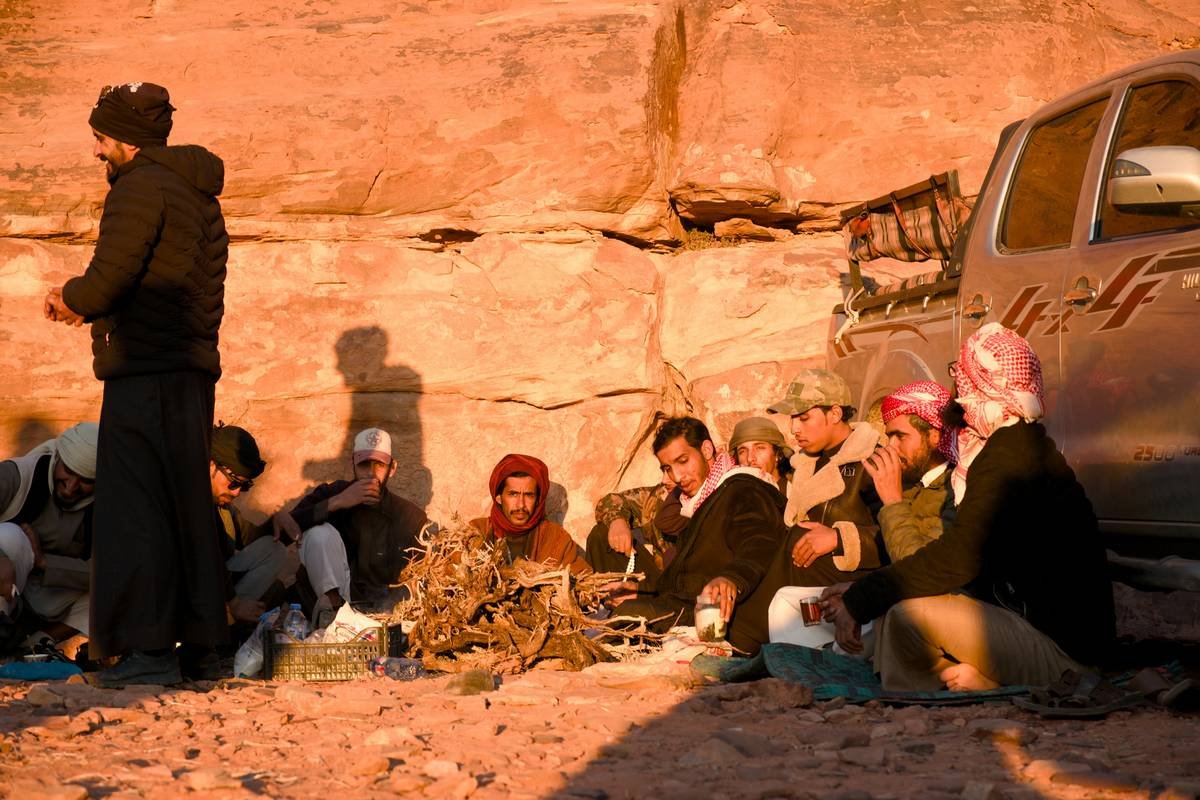
True historical sand trips root themselves in the desert’s layered human story—from Neolithic petroglyphs in Oman’s Jebel Akhdar to Thamudic inscriptions in Saudi Arabia’s Hail region. These journeys aren’t just about seeing; they’re about understanding how ancient societies adapted to hyper-arid environments long before air conditioning existed.
Optimist You: “This could be life-changing!”
Grumpy You: “Only if ‘life-changing’ means finally learning why camels have eyelashes like feather dusters.”
How to Plan an Authentic Historical Sand Trip (Step by Step)
Step 1: Choose a Destination with Verified Archaeological Significance
Forget generic “desert safari” tags. Target regions with UNESCO World Heritage status or national monument designations:
- Jordan’s Wadi Rum: Inscribed in 2011 for its 12,000+ petroglyphs and Nabataean temples.
- Saudi Arabia’s AlUla: Home to Hegra (Mada’in Salih), Saudi’s first UNESCO site, carved by the same civilization that built Petra.
- Egypt’s Siwa Oasis: Where Alexander the Great consulted the Oracle of Amun in 331 BCE.
Step 2: Vet Your Tour Operator Like a CIA Analyst
Ask these three questions:
- “Are your guides licensed by the national Department of Antiquities?” (In Jordan, this is the DoA; in Saudi, it’s the Heritage Commission.)
- “Do you partner with local Bedouin communities as cultural interpreters—not just drivers?”
- “Can you provide GPS coordinates of the archaeological sites we’ll visit?”
If they hesitate, walk away. Seriously. One operator in Abu Dhabi once claimed we’d see “Roman ruins”—turned out to be a 1990s film set for *Star Wars*.
Step 3: Pack for Preservation, Not Just Comfort
Leave the selfie stick. Bring:
- A notebook (many sites ban photography of inscriptions to prevent looting)
- Reusable water bottle (single-use plastic is banned in protected desert reserves)
- Respectful attire (shoulders/knees covered at religious or burial sites)
5 Expert Tips to Avoid Tourist Traps on Desert Safaris
- Ditch operators using “Bedouin camp” as their main selling point. Real nomadic hospitality doesn’t come with Wi-Fi or belly dancers on demand.
- Check if the itinerary includes site permits. Visiting Hegra legally requires a government-issued e-permit—any tour skipping this is cutting corners.
- Prioritize small groups (max 6 people). Large convoys damage fragile desert crusts and can’t access narrow canyon trails with rock art.
- Ask about conservation fees. Reputable tours include contributions to local heritage funds (e.g., Wadi Rum Protected Area fees: $12/person).
- Verify guide certifications. In Oman, look for guides endorsed by the Ministry of Heritage & Tourism’s “Desert Heritage Ambassador” program.
TERRIBLE TIP DISCLAIMER: “Just show up and wing it—you’ll find cool stuff!” Nope. Many desert heritage sites are remote, unmarked, and require military escorts (looking at you, Saudi Empty Quarter). Wing-it = stranded + fined.
Real Stories from the Sands: A Case Study in Wadi Rum
Last spring, I joined Dr. Leila Hassan—a Jordanian archaeologist and Bedouin descendant—on a four-day historical sand trip through Wadi Rum. Unlike typical half-day safaris, our route followed the ancient Incense Route, stopping at:
- Khazali Canyon: Where Thamudic inscriptions date to 500 BCE
- An-Naslaa Rock: A naturally split stone with Nabataean carvings
- Lawzah Wells: Used by Lawrence of Arabia in 1917
Dr. Hassan didn’t just recite facts. She demonstrated how her ancestors read wind patterns to navigate dunes and brewed medicinal tea from desert hyacinth. At night, we mapped stars using Bedouin constellations like “Al-Jadi” (the polestar)—the same method traders used to avoid bandits.
This wasn’t tourism. It was intergenerational knowledge transfer.
FAQ About Historical Sand Trips
What’s the difference between a regular desert safari and a historical sand trip?
A standard safari focuses on recreation (dune bashing, sandboarding). A historical sand trip centers on visiting and interpreting archaeological sites with expert guidance, often requiring special permits and cultural protocols.
Are historical sand trips safe in politically unstable regions?
Most UNESCO-designated desert heritage zones (e.g., AlUla, Wadi Rum) operate within secure tourism corridors with military patrols. Always check your government’s travel advisories—but don’t assume all desert regions are high-risk.
How much do authentic historical sand trips cost?
Budget $300–$800 for multi-day trips with licensed archaeologists. Day trips start at $120 but rarely include significant historical content due to time constraints.
Can families join historical sand trips?
Yes—but confirm age minimums. Sites like Hegra restrict access to children under 12 for preservation reasons. Opt for family-friendly operators like Experience AlUla or Jordan Horizons Tours.
Conclusion
Historical sand trips aren’t luxury add-ons—they’re portals into humanity’s resilience in Earth’s harshest landscapes. By choosing tours rooted in archaeology, community stewardship, and verified expertise, you honor the desert’s true legacy: not as empty space, but as a cradle of civilization.
So next time you search for “desert safari,” add two words: “with history.” Your inner historian—and the sands themselves—will thank you.
Like a Tamagotchi, your curiosity needs daily feeding.
Or you’ll wake up alone, staring at a pixelated tombstone.
– 2003 called. It wants its sense of wonder back.

