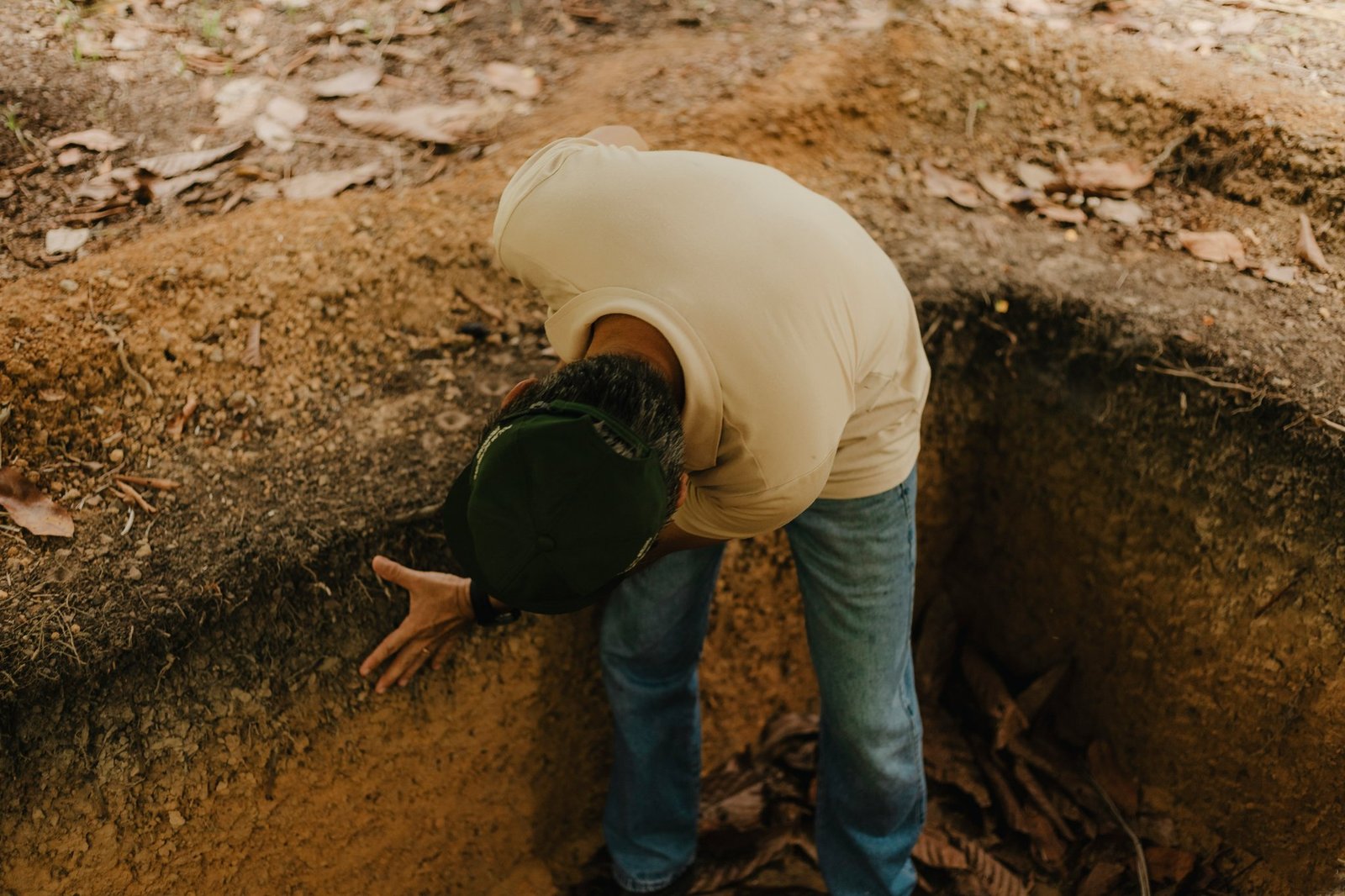
Ever wondered what secrets lie beneath the shifting sands of a desert? Imagine uncovering fossils millions of years old while taking in breathtaking landscapes—sounds like something out of an Indiana Jones movie, right? Well, guess what? It’s entirely possible. Fossil hunting in deserts is not only for paleontologists; it’s an exhilarating activity you can add to your next tourism adventure. This guide dives deep into how to plan, prep, and succeed at fossil hunting during your desert safaris.
In this post, we’ll explore everything from why deserts are perfect places to find ancient relics, step-by-step instructions for planning a fossil hunt, expert tips to avoid rookie mistakes, real-life success stories, and answers to FAQs—all centered around making the most of fossil hunting in deserts.
Table of Contents
- Key Takeaways
- Why Deserts Are Ideal for Fossil Hunting
- Step-by-Step Guide to Plan Your Hunt
- Tips & Best Practices for Fossil Hunting
- Real-Life Examples of Fossil Discoveries
- FAQs About Fossil Hunting Desert Adventures
Key Takeaways
- Deserts are natural treasure troves due to their dry climates preserving fossils exceptionally well.
- Proper preparation includes researching locations, securing permits, and packing essential gear.
- Avoid these pitfalls: ignoring local regulations, damaging specimens, or venturing alone without safety measures.
- Finding fossils can be a rewarding mix of adventure and discovery—great for families, solo travelers, or thrill-seekers alike.
Why Desert Safaris Make Perfect Fossil Hunting Grounds
“Let me tell you about my biggest fail before I became a fossil enthusiast,” *Optimist You* might say. “I once walked miles across a sandy expanse thinking every rock would hold some prehistoric secret.” Spoiler alert: It didn’t.
*Grumpy You*: “But hey, at least I learned something. Deserts are ideal because they have minimal vegetation and water erosion—perfect conditions for preserving fossils over millennia.”
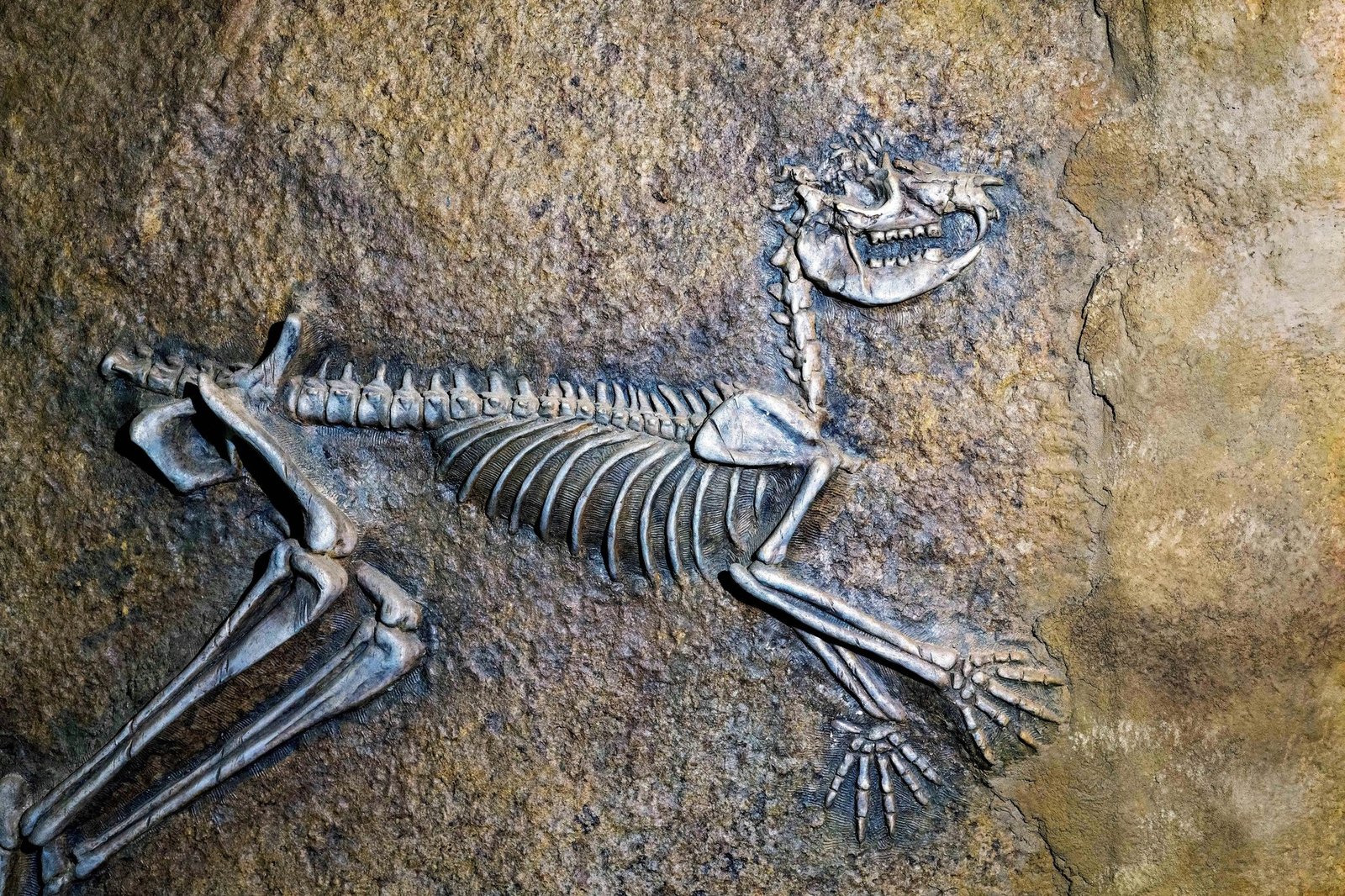
The barren landscape exposes fossils more easily than lush forests or grasslands. Plus, many famous fossil discoveries—like those of ancient marine reptiles—have been made in arid regions such as Egypt’s Western Desert or Arizona’s Petrified Forest National Park.
How to Plan Your Ultimate Fossil Hunting Desert Safari
Step 1: Research Legal Sites
Not all areas welcome enthusiastic fossil hunters. Many national parks and reserves strictly prohibit removing artifacts. Always check if permits are required or if you need to hire a licensed guide.
Step 2: Gear Up Like a Pro
Essential tools include:
- A small shovel or brush set.
- Magnifying glass for close inspection.
- Notebook for jotting down GPS coordinates.
- Plenty of water and sun protection—it gets HOT!
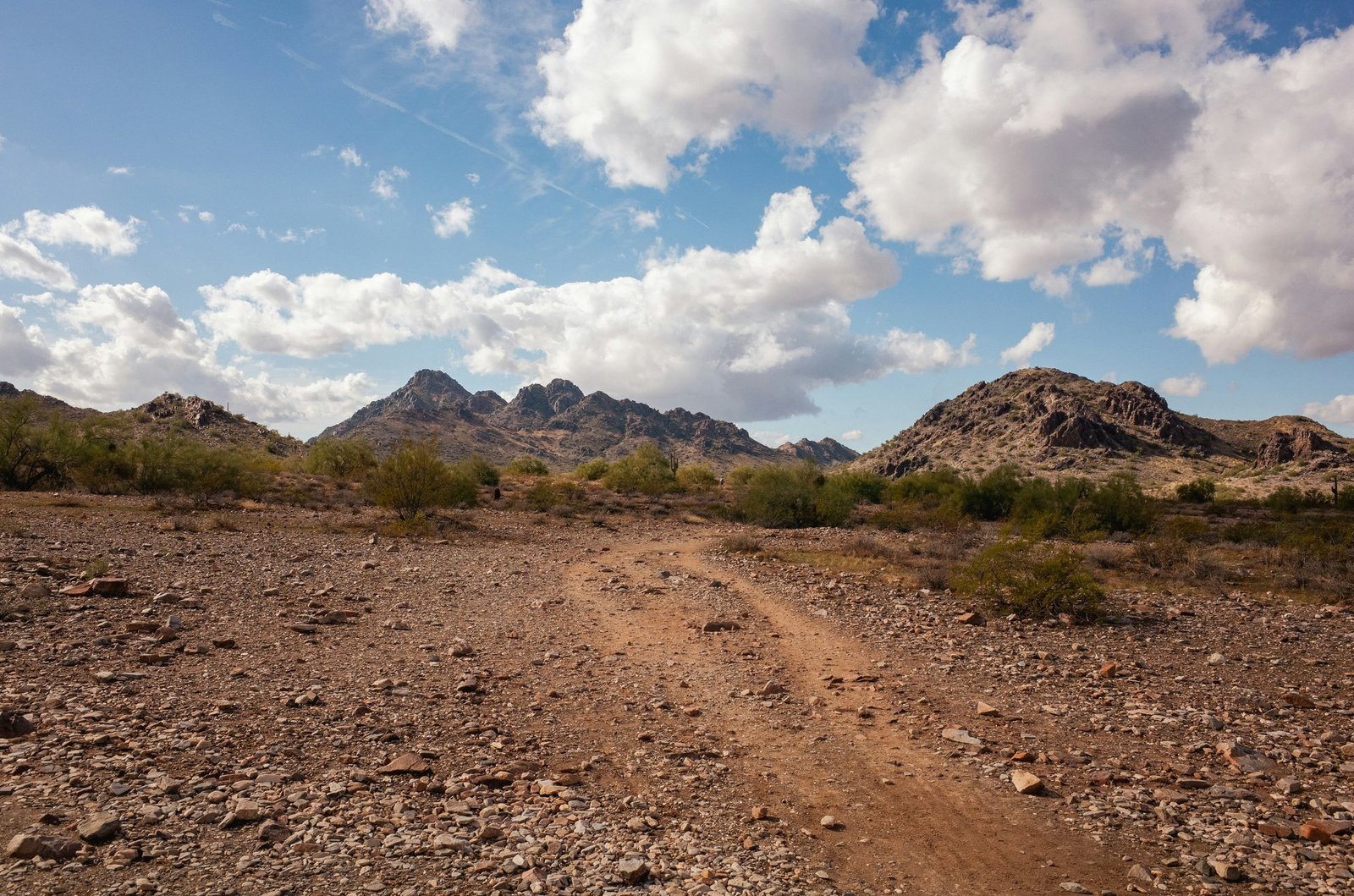
Step 3: Learn Basic Identification Skills
Sounds great until you think, “Wait, what exactly am I looking for?” Start by familiarizing yourself with common fossils found in that region (e.g., ammonites, trilobites, or dinosaur footprints).
Fossil Hunting Dos and Don’ts
- Do: Respect nature—only take photos when unsure.
- Don’t: Hammer away recklessly at rocks; precision matters.
- Do: Stay hydrated—hydration packs are chef’s kiss here.
- Don’t: Assume Google Maps will save you in remote areas. Get offline maps instead.
Rant Alert: If there’s one thing that grinds my gears, it’s people who vandalize historical sites. Treat fossils like family heirlooms—they’re irreplaceable.
When Hobbyists Turned Into Heroes
Here’s the story of Jack, a regular traveler whose casual stroll through Utah turned up a previously unknown species of armored fish fossil. Thanks to his responsible reporting, scientists now better understand prehistoric ecosystems.
Frequently Asked Questions About Fossil Hunting Desert Activities
Can anyone go fossil hunting?
Yes! However, some locations require permits or guided tours.
What should I do if I discover a significant fossil?
Contact local authorities or paleontology organizations immediately—do NOT remove it!
Is fossil hunting safe?
With proper precautions (like carrying navigation tools and sufficient supplies), yes—but always prioritize safety over curiosity.
And there you have it—a complete guide to turning your desert safari into a fossil-finding extravaganza. Remember, the thrill isn’t just in the discovery but also in respecting these ancient remnants of Earth’s history.
Like a Tamagotchi, your SEO needs daily care—and so does your thirst for adventure. Now grab your gear and get ready to unearth history beneath the sands!
Sands whisper secrets,
Ancient life waits to be found,
Adventure calls loud.

