
“Ever tried hiking in a desert only to realize you forgot your water bottle? Yeah, we’ve been there too.”
Desert hiking trails offer an exhilarating escape for adventurers and nature lovers alike. Yet, navigating these arid landscapes without preparation is like walking into a pop quiz unprepared—stressful, frustrating, and potentially dangerous. From blazing sun to hidden wildlife, it’s critical to know what lies ahead and how to tackle it safely.
In this guide, we’ll unpack everything about desert hiking trails—from planning your route to surviving the unexpected. By the end of this article, you’ll master the basics of desert trekking and uncover expert tips that will make your hike unforgettable (and not because you’re lost).
Table of Contents
- Key Takeaways
- Why Desert Trails Are Worth Exploring
- How to Plan Your Perfect Desert Hike
- Essential Tips for Desert Safaris
- Real Adventures on Desert Trails
- Frequently Asked Questions
- Final Thoughts
Key Takeaways
- Pack smart: Hydration, sunscreen, navigation tools are must-haves.
- Research trail difficulty levels before heading out.
- Respect nature by following Leave No Trace principles.
- Know when to avoid hiking during peak heat hours.
- Stay safe with a buddy system or emergency contacts.
Why Desert Trails Are Worth Exploring
There’s something surreal about desert hiking trails—they push you out of your comfort zone while rewarding you with stunning vistas and raw beauty. These aren’t just random paths through sand; they’re gateways to ancient ecosystems with rich biodiversity.
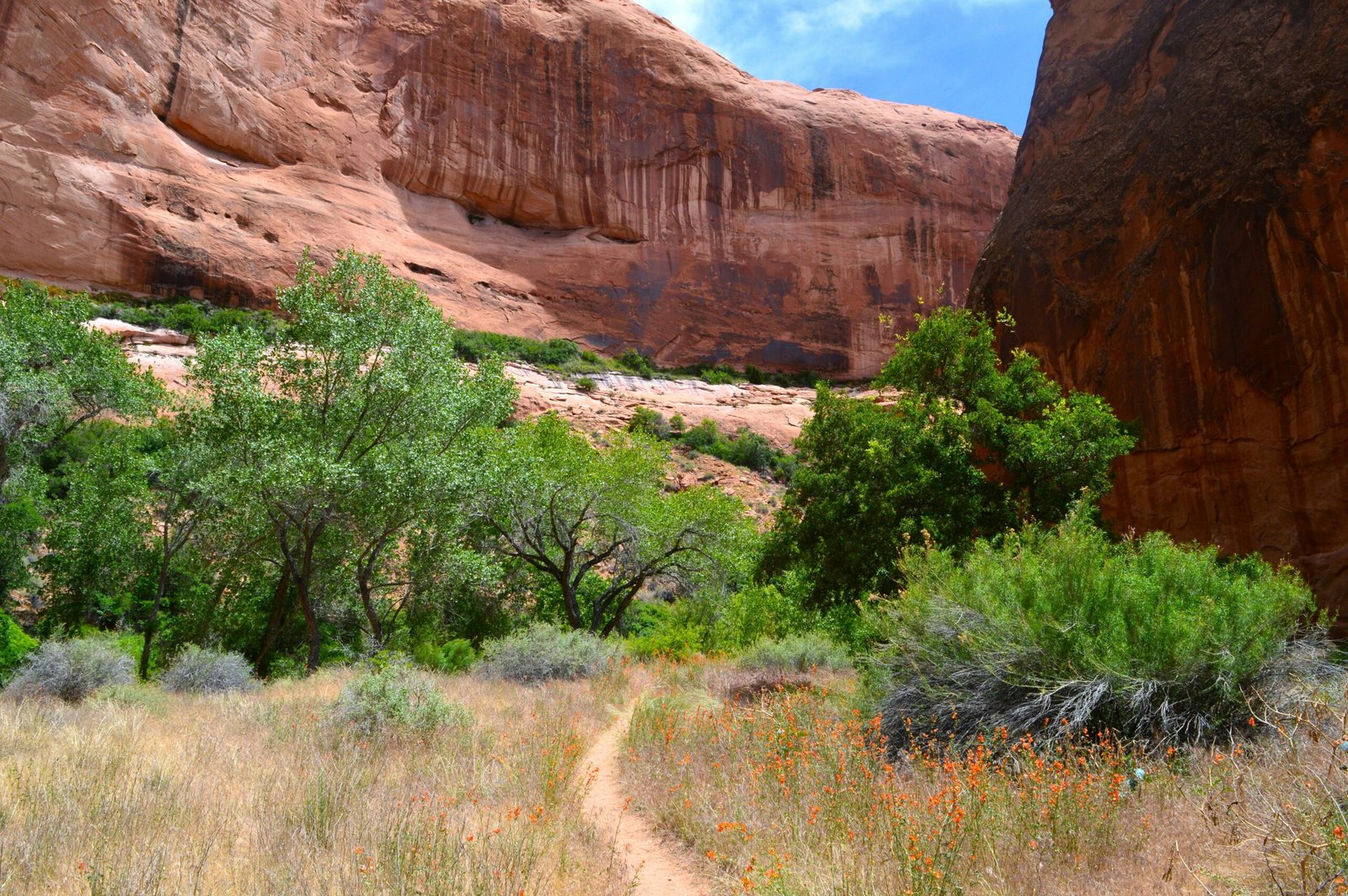
Golden dunes stretch endlessly in this serene desert setting.
The truth is, most people think deserts are barren wastelands, but dig deeper, and you’ll find life thriving against all odds. From rare cacti to elusive desert foxes, every step feels like discovering hidden treasure.
But let’s address the elephant in the room—how do you handle the challenges? Dust storms, dehydration risks, scorching temperatures—it’s enough to scare anyone off. Don’t worry, though; we’ve got strategies to keep those fears in check.
How to Plan Your Perfect Desert Hike
Alright, grab your planner and get ready—this is *the* section where I lay down the roadmap to adventure.
Step 1: Choose the Right Trail
Not all trails are created equal. Some cater to beginners, others to hardcore trekkers. Use online resources like AllTrails or local guides to match your skill level with the terrain.
Step 2: Check Weather Conditions
“Optimist You” says, “It’s just a little heat!” Meanwhile, “Grumpy You” screams, “Heatstroke isn’t fun.” Seriously, start early in the morning to beat the midday blaze.
Step 3: Assemble Your Gear
From hydration packs to headlamps, here’s what you need:
- Hydration Pack: At least 4 liters per person.
- Sun Protection: Broad-spectrum SPF 50+, wide-brimmed hat.
- Navigation Tools: GPS device, map, compass.
Step 4: Buddy Up
Hiking solo sounds cool until something goes wrong. Having a partner ensures safety—and someone to share epic Instagram stories with!
Essential Tips for Desert Safaris
Now that you’re armed with plans, let’s dive into some pro-level advice. Remember, one bad call could ruin the entire experience.
Tip #1: Don’t Wear Cotton
Cotton may feel breezy, but trust me, sweating buckets in a humid climate is terrible. Opt for moisture-wicking fabrics instead.
Tip #2: Carry a First Aid Kit
Cuts, scrapes, blisters—oh my! Be prepared for minor injuries. Bonus points if you add electrolyte tablets for emergencies.
Terrible Tip Disclaimer: Skip the Fancy Gadgets
Relying solely on gadgets? Rookie mistake. Batteries die faster than your enthusiasm in triple-digit temps. Always have analog backups like paper maps.
Real Adventures on Desert Trails
Imagine wandering Joshua Tree National Park’s twisting trails—the eerie silence pierced only by rustling leaves and distant bird calls. It’s like stepping onto another planet, except Earth owns this masterpiece.
One traveler recounted getting lost near Wadi Rum, Jordan. She swore her phone signal vanished quicker than Coldplay concert tickets. Lesson learned? Always inform someone outside your group of your planned itinerary.
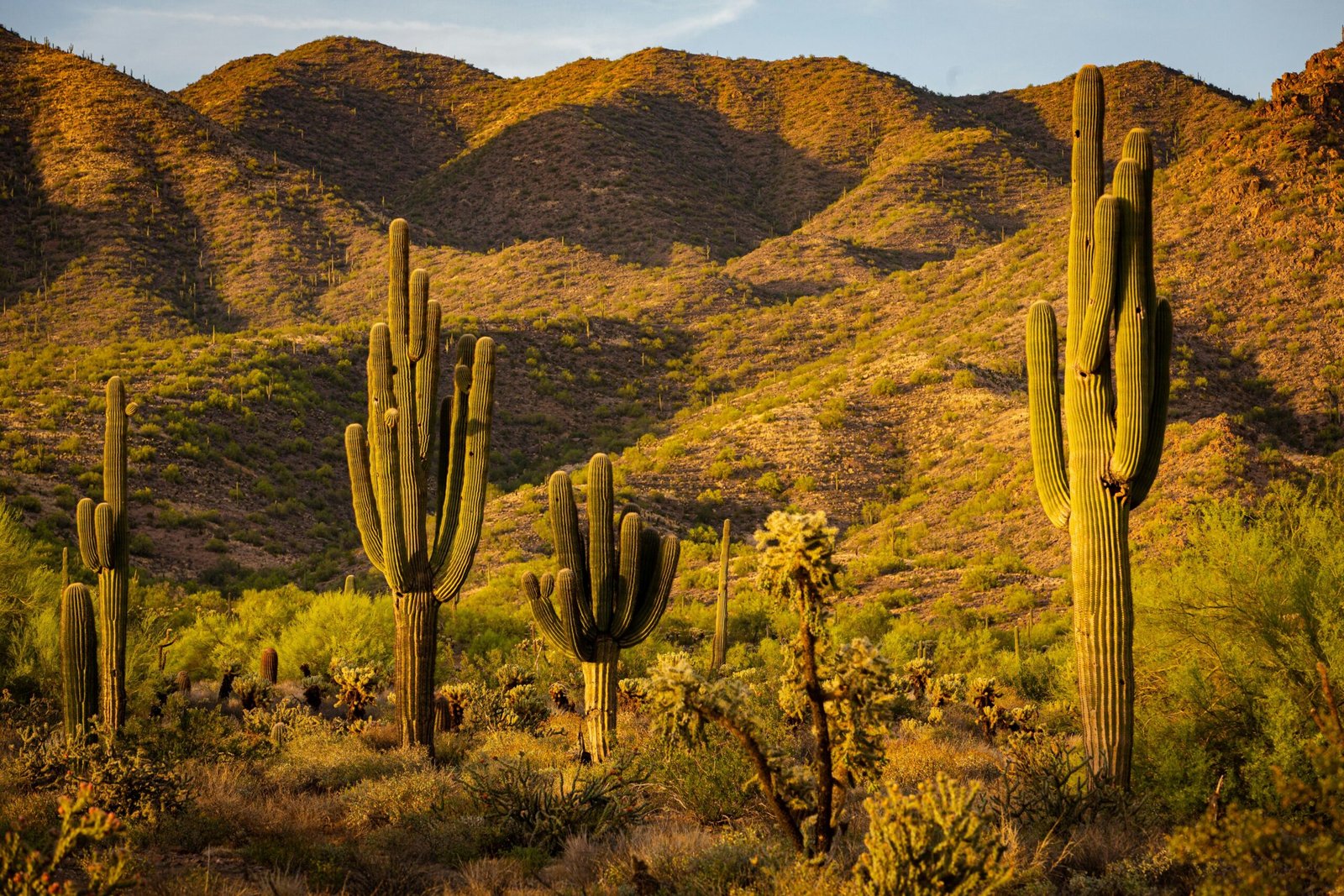
Joshua Tree offers both solitude and jaw-dropping views for hikers daring enough to explore.
Frequently Asked Questions
What should I wear on desert hiking trails?
Lightweight, breathable clothing paired with sturdy boots. Layers are also wise as temperatures can drop dramatically at night.
Is hiking in the desert safe?
Yes, with proper precautions. Stay hydrated, plan routes carefully, and avoid hiking alone whenever possible.
Can kids join desert hikes?
Absolutely! Keep their activity lightweight and bring extra snacks, toys, and plenty of water.
Final Thoughts
Desert hiking trails promise unforgettable adventures—but only if approached wisely. Whether you’re chasing peaceful solitude or adrenaline-fueled climbs, preparation separates heroes from horror stories. So lace up those boots, pack right, and embrace the grittier side of Mother Nature.
And hey, next time you think, “Why would anyone hike in a desert?” remind yourself—it’s chef’s kiss for drowning algorithms… err, living boldly. 😉
Pro tip haiku:
Sand whispers secrets,
Sunrise paints the rugged path—
Bring snacks. And water.

