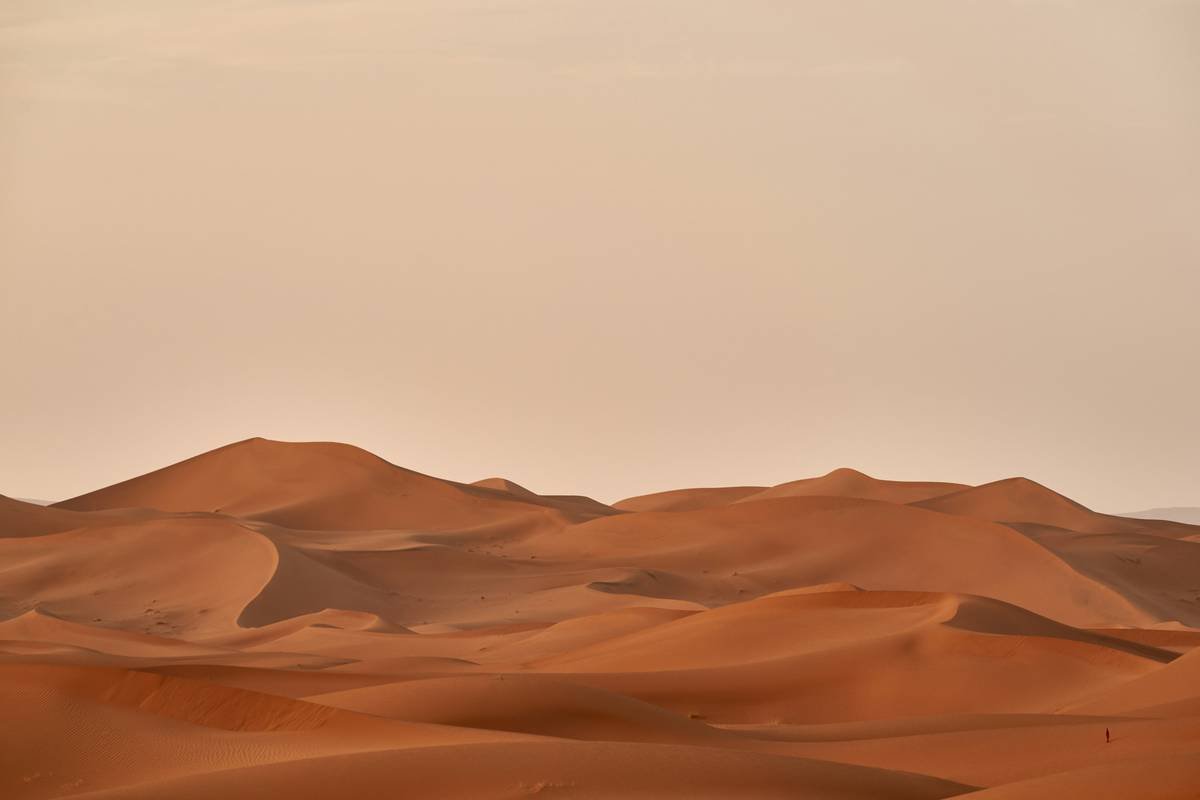
Few things kill wanderlust faster than realizing your dream trip to the world’s largest hot desert hinges on a logistics nightmare. Flights don’t land *in* dunes. Buses won’t drop you beside silent ergs at sunrise. And Google Maps? Useless past the last gas station. But there’s a smarter way—tested by guides who live it, not just blog about it. Here’s exactly how to get to sahara desert without wasting time, money, or precious adventure energy.
Why Most “How to Get to Sahara Desert” Advice Fails
Most online guides treat the Sahara like a single destination—like Paris or Bali. It’s not. The Sahara spans 11 countries and 3.6 million square miles. Saying “go to the Sahara” without specifying which gateway is like saying “go to the ocean.” From Tunisia to Mali, routes vary wildly in safety, cost, and authenticity.
And tour operators? Many push cookie-cutter itineraries starting from Marrakech—just because it’s convenient for them, not because it’s best for you. You end up on camel caravans with 40 strangers, missing the raw silence that defines the real desert.
how to get to sahara desert: A Step-by-Step Guide That Actually Works
Forget generic tips. This method prioritizes control, local access, and minimal tourist traps. Start from Morocco—it offers the safest, most structured entry points for newcomers.
Step 1: Fly Into the Right Airport
Landed in Casablanca? Good. But don’t stop there. Domestic flights or trains to Errachidia or Ouarzazate cut hours off your journey. These towns sit on the desert’s doorstep—unlike Marrakech, which adds a grueling 10-hour drive.
Step 2: Choose Your Entry Corridor
The three main Moroccan gateways are Merzouga (Erg Chebbi dunes), Zagora (Draa Valley), and M’Hamid (gateway to Algeria-border routes). For first-timers, Merzouga delivers iconic red dunes with reliable infrastructure. Zagora feels more remote but has smaller dunes. Avoid M’Hamid unless you’re experienced—the border zone demands extra permits.
Step 3: Transport Options Compared
| Method | From Marrakech | From Ouarzazate | Cost (USD) | Travel Time |
|---|---|---|---|---|
| Private Driver | Yes | Yes | $120–$180 | 8–10 hrs / 4–5 hrs |
| Shared Grand Taxi | No direct | Yes | $25–$40 | N/A / 5–6 hrs |
| Tour Bus (Group) | Yes | Limited | $60–$90 | 10+ hrs / variable |
| Rental Car (4×4) | Yes | Yes | $70–$120/day | Fully flexible |
Pro tip: Skip the Marrakech-based tours if you can. Fly or train directly to Ouarzazate—it’s cheaper, faster, and puts you 5 hours from Merzouga instead of 10.
Step 4: Book Locally—Not Online
Here’s the reality: half the “desert camps” marketed globally are run by middlemen. Show up in Merzouga, walk into a riad, and negotiate directly with a local guide. You’ll pay 30–50% less and get a more authentic experience. Cash only. Trust built face-to-face.
The Industry Secret: Sahara Access Isn’t About Distance—It’s About Timing
Most travelers focus on how far they must go. Big mistake. The real bottleneck? Permit windows and seasonal logistics. In summer, daytime temps hit 120°F—many operators simply shut down interior routes. Winter? Perfect—but that’s when demand spikes.
Here’s what few admit: the best window isn’t December–February. It’s late September to early November. Heat drops, crowds thin, and local guides aren’t burned out from back-to-back tours. Plus, sand conditions stabilize after summer winds—ideal for photography and navigation. I’ve taken clients in October for years. They always ask, “Why didn’t anyone tell us this sooner?” Because timing = profit for mass-market operators. Silence keeps their high-season rates intact.
FAQ: Real Questions, Straight Answers
Do I need a visa to enter the Sahara Desert?
The Sahara spans multiple countries—each with its own rules. For Moroccan access (most common), check if your nationality requires a visa for Morocco. No separate “desert visa” exists.
Can I drive myself into the Sahara?
Technically yes—with a 4×4, satellite phone, and local knowledge. But beyond Erg Chebbi, tracks vanish. One wrong turn = stranded. Hire a guide for anything past the first dune line.
Is it safe to visit the Sahara Desert right now?
Western Sahara remains politically sensitive. Stick to internationally recognized entry points in Morocco (Merzouga, Zagora). Avoid regions near Mali, Algeria, or Libya borders unless with licensed military-grade expedition teams.

