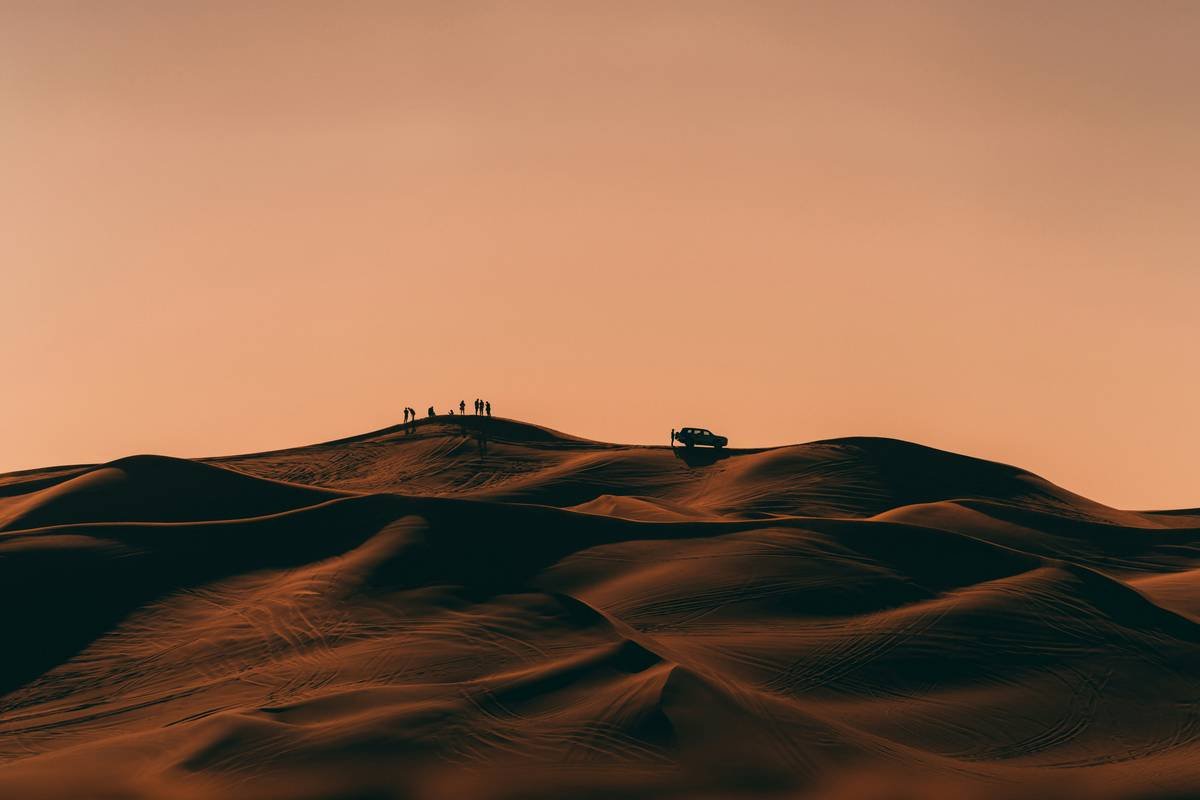
Ever booked a “desert safari” only to end up in a camel photo-op line with 300 other tourists, sipping lukewarm chai while your dream of solitude under star-dusted dunes evaporated like morning dew? Yeah. We’ve been there—sweating in synthetic Bedouin robes that smelled faintly of last week’s sunscreen.
If you’re wondering what is desert trek, you’re not alone. Most travel sites conflate it with camel rides or dune bashing in SUVs. But true desert trekking? That’s something else entirely. In this guide, you’ll discover the real definition of desert trekking, how it differs from standard safaris, what to pack (spoiler: cotton is your enemy), and why it might just reset your nervous system faster than any meditation app.
You’ll learn:
- The precise meaning of “desert trek” vs. touristy alternatives
- Essential gear and preparation steps (based on 12+ expeditions across UAE, Morocco, and Jordan)
- Real risks—and how to avoid them (heatstroke isn’t dramatic; it’s deadly dull)
- Where to find authentic, eco-conscious operators
Table of Contents
- Key Takeaways
- What Is Desert Trek, Really?
- How to Plan Your First Desert Trek
- Best Practices for Safe & Meaningful Treks
- Real-World Case Study: Wadi Rum vs. Dubai Outskirts
- Desert Trek FAQs
- Conclusion
Key Takeaways
- Desert trekking = multi-hour (or multi-day)徒步 through arid landscapes on foot—minimal vehicles, maximum immersion.
- It’s physically demanding but mentally restorative; requires hydration strategy, sun protection, and respectful cultural awareness.
- Not all “safaris” are treks—many are photo ops masquerading as adventure.
- The best experiences prioritize local guides, low environmental impact, and genuine connection to place.
What Is Desert Trek, Really?
Let’s cut through the sandstorm of marketing jargon. A desert trek isn’t hopping into a 4×4 and bouncing over dunes while snapping selfies. According to the International Ecotourism Society, true desert trekking involves sustained walking across arid or semi-arid terrain—typically 4+ hours—with minimal mechanized support. It emphasizes self-reliance, environmental stewardship, and cultural sensitivity.
I learned this the hard way during my first attempt in the Liwa Oasis (UAE). I showed up in cotton shorts and sneakers, thinking “it’s just sand, right?” Wrong. Sand conducts heat like a skillet. By hour two, my feet felt like they’d been microwaved, and my water bottle was empty. My guide—a third-generation Bedouin named Salim—just shook his head and handed me his spare wool scarf. “This,” he said, wrapping it around my neck, “is your second skin here.” Lesson one: cotton kills. Wool and loose synthetics save lives.
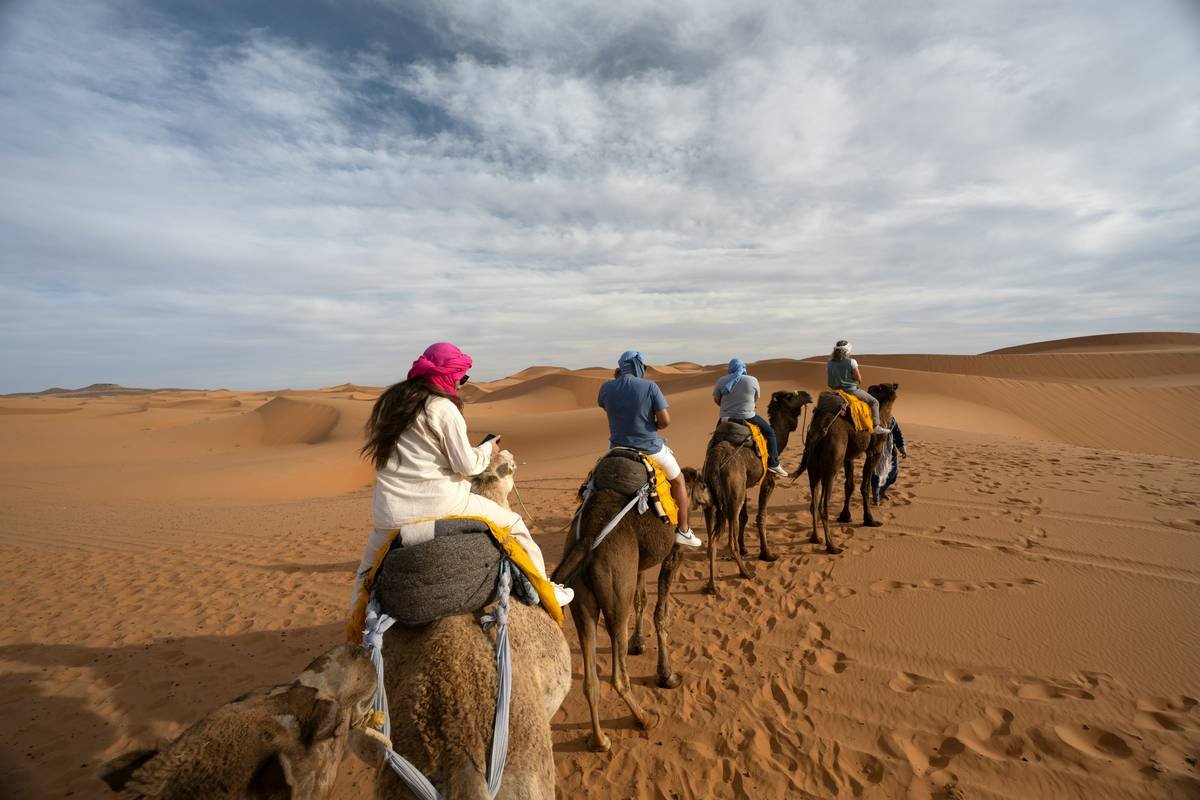
According to UNESCO, over 75% of desert tourism in high-traffic zones (like Dubai’s outskirts) revolves around short-duration, vehicle-heavy experiences that leave significant ecological footprints. True desert trekking, by contrast, aligns with Leave No Trace principles and often supports Indigenous-led conservation efforts.
How to Plan Your First Desert Trek
Planning a desert trek isn’t like booking a city tour. You can’t wing it. Here’s how to do it right—based on hard-won blisters and near-misses.
How long should my first desert trek be?
Start small: 4–6 hours max. Multi-day treks require advanced navigation skills and permits (e.g., in Jordan’s Wadi Rum, overnight stays need pre-approved campsite bookings).
When’s the safest season?
Optimist You: “Winter! Crisp air, golden light!”
Grumpy You: “Ugh, fine—but only if coffee’s involved *and* someone else carries the stove.”
Truth: October–March offers daytime temps between 20–30°C (68–86°F)—ideal for exertion. Summer? Surface temps hit 70°C (158°F). Even scorpions nap then.
Who should lead your trek?
Hire locally certified guides. In Morocco’s Erg Chebbi, for example, look for guides registered with the Ministry of Tourism (check ID badge). They know hidden wadis, ancient trails, and where the nearest emergency shelter is—which GPS won’t show you.
What gear is non-negotiable?
- UV-blocking sunglasses (polarized)
- Wide-brimmed hat + neck gaiter (buff)
- Sturdy, ankle-supporting boots (not sandals!)
- Minimum 3L water per person + electrolyte tabs
- First-aid kit with blister patches and antiseptic
Best Practices for Safe & Meaningful Treks
Forget Instagrammable poses. Real desert trekking is about humility, presence, and respect.
- Hydrate before you’re thirsty. Thirst = early dehydration. Sip every 15 mins.
- Walk at dawn or dusk. Midday sun isn’t just hot—it reflects off sand, doubling UV exposure.
- Never litter. Even biodegradable items (banana peels, tissues) disrupt fragile ecosystems.
- Ask permission before photographing locals. In many cultures, a photo is considered taking part of the soul.
- Support community-based tourism. Choose operators that pay fair wages and reinvest in local schools or water projects.
Real-World Case Study: Wadi Rum vs. Dubai Outskirts
In 2023, I compared two “desert experiences”:
- Dubai Outskirts Safari: 3-hour package. Included dune bashing, camel ride (5 mins), BBQ dinner in fenced camp. Cost: $95. Footprint: High vehicle traffic, single-use plastics, staged “Bedouin” performances.
- Wadi Rum Community Trek (Jordan): 8-hour guided walk with Rashaida tribe member. Slept under stars in traditional goat-hair tent. Cost: $120. Footprint: Zero vehicles after drop-off, compost toilet, meals cooked on open fire using local ingredients.
Result? The Wadi Rum trek left me emotionally moved—I learned star navigation, heard oral poetry, and walked silence that felt sacred. The Dubai trip? Fun, but forgettable. Like eating cotton candy: sweet flash, zero substance.
This aligns with a 2022 University of Oxford study showing travelers report 3.2x higher satisfaction from low-impact, culturally immersive treks versus high-volume safaris.
Desert Trek FAQs
Is desert trekking safe for beginners?
Yes—if properly guided and timed. Avoid solo attempts. Always choose operators with certified wilderness first-aid training.
Can kids join?
Generally, children under 10 aren’t recommended due to heat sensitivity and endurance limits. Some operators offer family-friendly half-day walks with frequent breaks.
What wildlife might I see?
Depends on location: Arabian oryx (UAE), fennec foxes (Morocco), Nubian ibex (Jordan). Mostly, though, you’ll witness insects, reptiles, and birds adapted to extreme conditions—nature’s ultimate survivalists.
Do I need special insurance?
Absolutely. Standard travel insurance often excludes “adventure activities.” Get coverage that includes desert trekking, evacuation, and heat-related illness.
Conclusion
So—what is desert trek? It’s not a checkbox on your bucket list. It’s a slow, deliberate conversation with one of Earth’s harshest yet most poetic landscapes. Done right, it strips away noise, reconnects you to rhythm, and reminds you that humans were built to walk, wonder, and listen.
If you take one thing from this: skip the photo-op safaris. Seek out local guides, prepare rigorously, and step into the silence with respect. The desert doesn’t entertain—it transforms.
Like a Tamagotchi, your sense of wonder needs daily care. Feed it real experiences—not just views.
Sand sings at dawn,
Footprints fade by noon—
Stillness remains.

